
表达纳米荧光素酶 PEST 的墨西哥利什曼原虫的开发,作为一种新的药物发现工具,用于无细胞和巨噬细胞内基于测定法的检测。
Development of NanoLuc-PEST expressing Leishmania mexicana as a new drug discovery tool for axenic- and intramacrophage-based assays.
机构信息
Centre for Applied Entomology and Parasitology, School of Life Sciences, Keele University, Newcastle-under-Lyme, Staffordshire, United Kingdom.
Institute for Science and Technology in Medicine, Keele University, Newcastle-under-Lyme, Staffordshire, United Kingdom.
出版信息
PLoS Negl Trop Dis. 2018 Jul 12;12(7):e0006639. doi: 10.1371/journal.pntd.0006639. eCollection 2018 Jul.
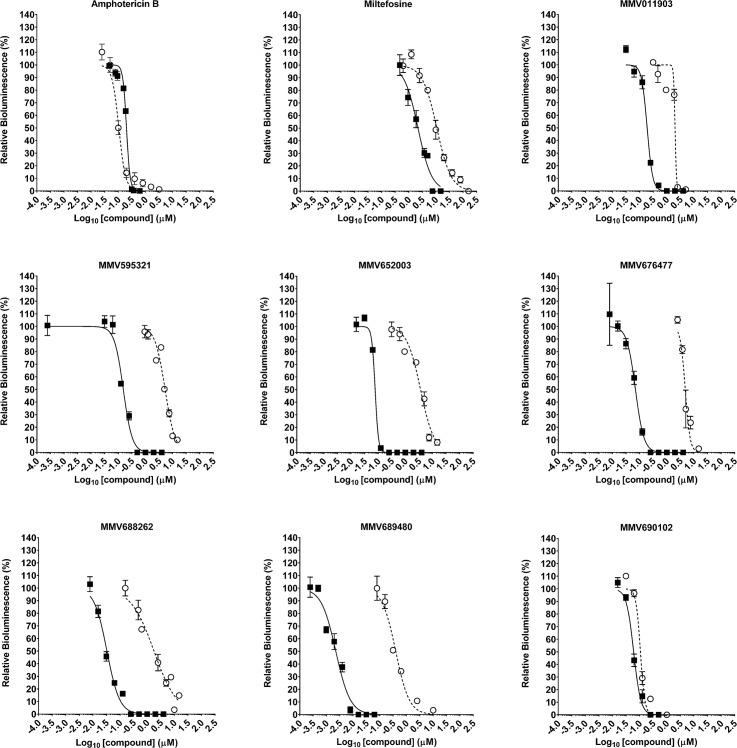
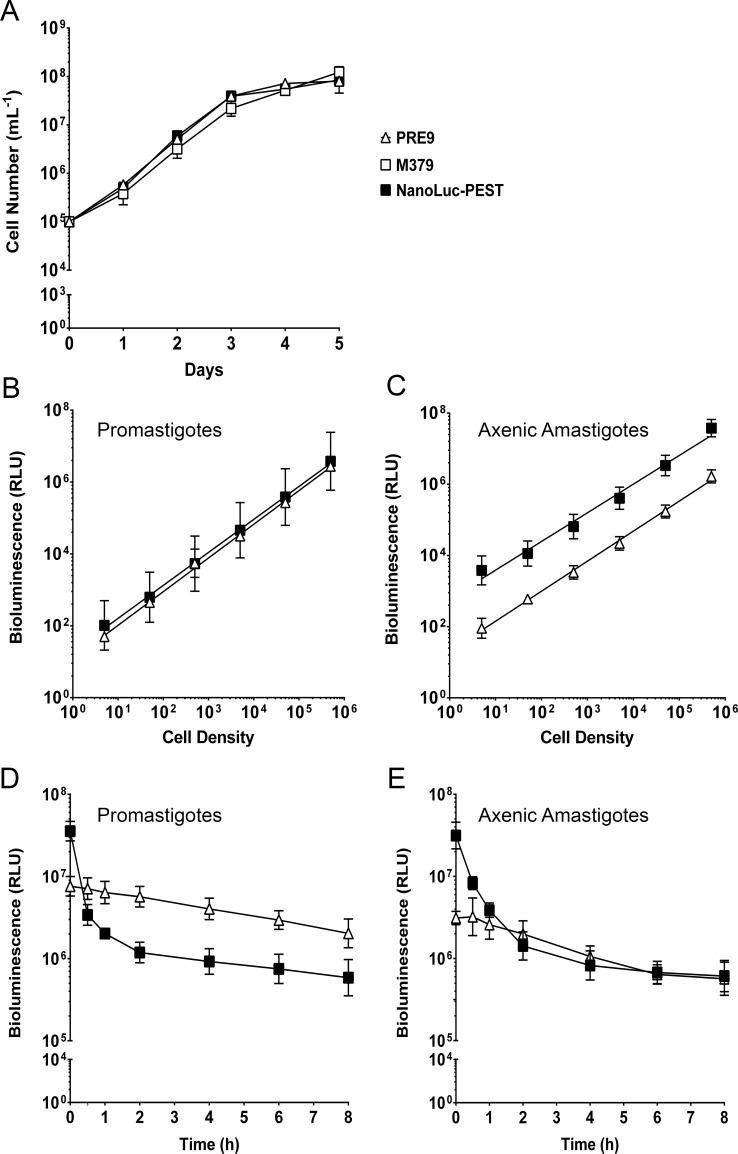
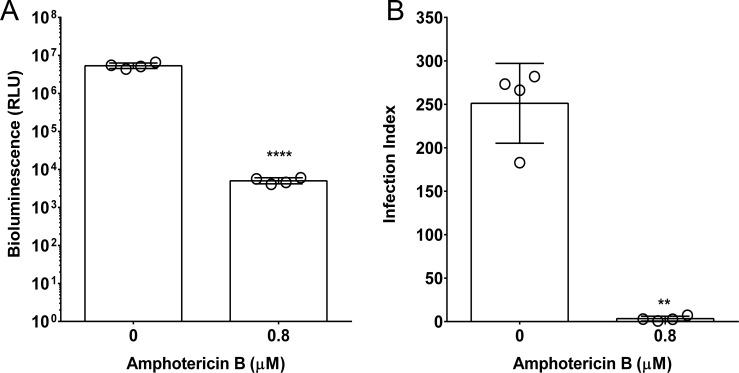
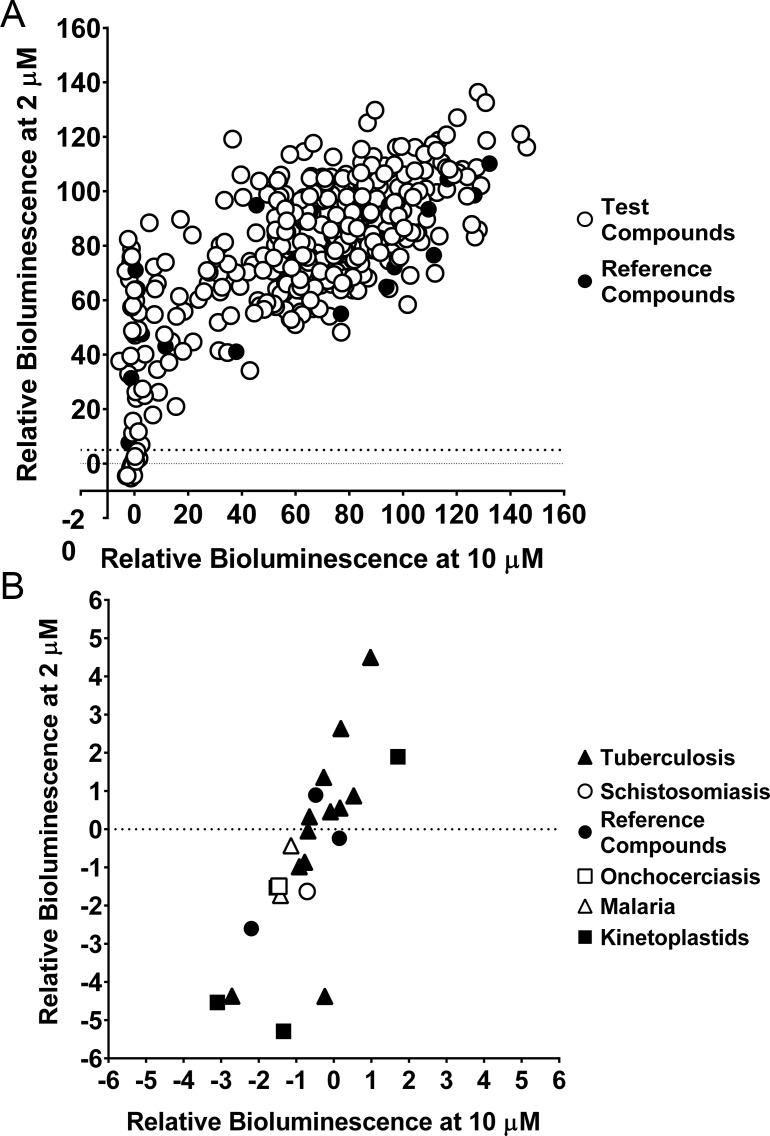
The protozoan parasite Leishmania causes leishmaniasis; a spectrum of diseases of which there are an estimated 1 million new cases each year. Current treatments are toxic, expensive, difficult to administer, and resistance to them is emerging. New therapeutics are urgently needed, however, screening the infective amastigote form of the parasite is challenging. Only certain species can be differentiated into axenic amastigotes, and compound activity against these does not always correlate with efficacy against the parasite in its intracellular niche. Methods used to assess compound efficacy on intracellular amastigotes often rely on microscopy-based assays. These are laborious, require specialist equipment and can only determine parasite burden, not parasite viability. We have addressed this clear need in the anti-leishmanial drug discovery process by producing a transgenic L. mexicana cell line that expresses the luciferase NanoLuc-PEST. We tested the sensitivity and versatility of this transgenic strain, in comparison with strains expressing NanoLuc and the red-shifted firefly luciferase. We then compared the NanoLuc-PEST luciferase to the current methods in both axenic and intramacrophage amastigotes following treatment with a supralethal dose of Amphotericin B. NanoLuc-PEST was a more dynamic indicator of cell viability due to its high turnover rate and high signal:background ratio. This, coupled with its sensitivity in the intramacrophage assay, led us to validate the NanoLuc-PEST expressing cell line using the MMV Pathogen Box in a two-step process: i) identify hits against axenic amastigotes, ii) screen these hits using our bioluminescence-based intramacrophage assay. The data obtained from this highlights the potential of compounds active against M. tuberculosis to be re-purposed for use against Leishmania. Our transgenic L. mexicana cell line is therefore a highly sensitive and dynamic system suitable for Leishmania drug discovery in axenic and intramacrophage amastigote models.
原生动物寄生虫利什曼原虫引起利什曼病;每年估计有 100 万例新发病例。目前的治疗方法有毒性、昂贵、难以管理,而且正在出现耐药性。然而,迫切需要新的治疗方法,但是筛选寄生虫感染的无鞭毛体形式具有挑战性。只有某些物种可以分化为无鞭毛体,并且对这些物种的化合物活性并不总是与在其细胞内生态位中对寄生虫的疗效相关。用于评估化合物对细胞内无鞭毛体的功效的方法通常依赖于基于显微镜的测定。这些方法繁琐,需要专门的设备,并且只能确定寄生虫负担,而不能确定寄生虫的活力。我们通过产生表达荧光素酶 NanoLuc-PEST 的转基因 L. mexicana 细胞系来解决抗利什曼原虫药物发现过程中的这一明显需求。我们测试了与表达 NanoLuc 和红色移位萤火虫荧光素酶的菌株相比,这种转基因菌株的敏感性和多功能性。然后,我们在使用两性霉素 B 超致死剂量处理后,将 NanoLuc-PEST 荧光素酶与无鞭毛体和巨噬细胞内无鞭毛体中的当前方法进行了比较。由于其高周转率和高信号:背景比,NanoLuc-PEST 是一种更动态的细胞活力指标。这一点,再加上其在巨噬细胞内测定中的敏感性,使我们能够在两步法中使用 MMV 病原体盒来验证表达 NanoLuc-PEST 的细胞系:i)鉴定针对无鞭毛体的命中物,ii)使用我们基于生物发光的巨噬细胞内测定筛选这些命中物。从该数据中获得的结果突出了对结核分枝杆菌有效的化合物被重新用于治疗利什曼原虫的潜力。因此,我们的转基因 L. mexicana 细胞系是一种高度敏感和动态的系统,适用于无鞭毛体和巨噬细胞内无鞭毛体模型中的利什曼原虫药物发现。
 Zotero 插件