
用于治疗卵巢癌的人源化抗 Sialyl-Tn 抗体。
Humanized anti-Sialyl-Tn antibodies for the treatment of ovarian carcinoma.
机构信息
Siamab Therapeutics, Inc., Newton, MA, United States of America.
Vincent Center for Reproductive Biology, Department of Obstetrics and Gynecology, Massachusetts General Hospital, Boston, MA, United States of America.
出版信息
PLoS One. 2018 Jul 27;13(7):e0201314. doi: 10.1371/journal.pone.0201314. eCollection 2018.
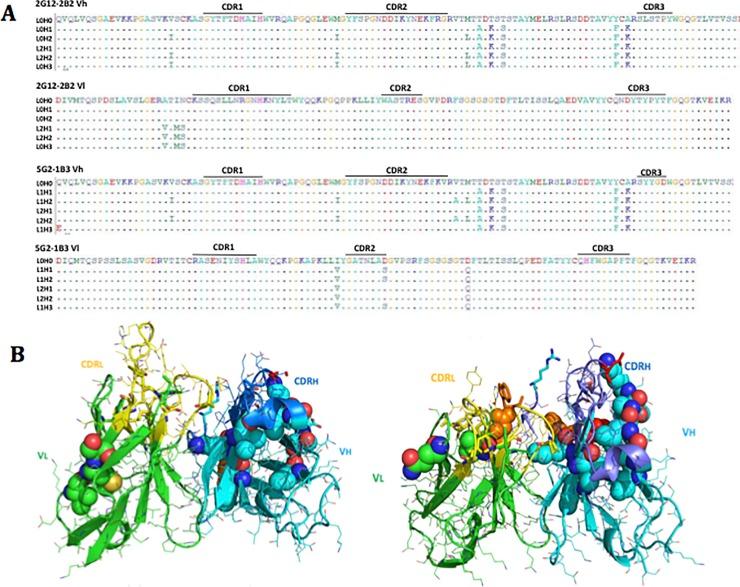
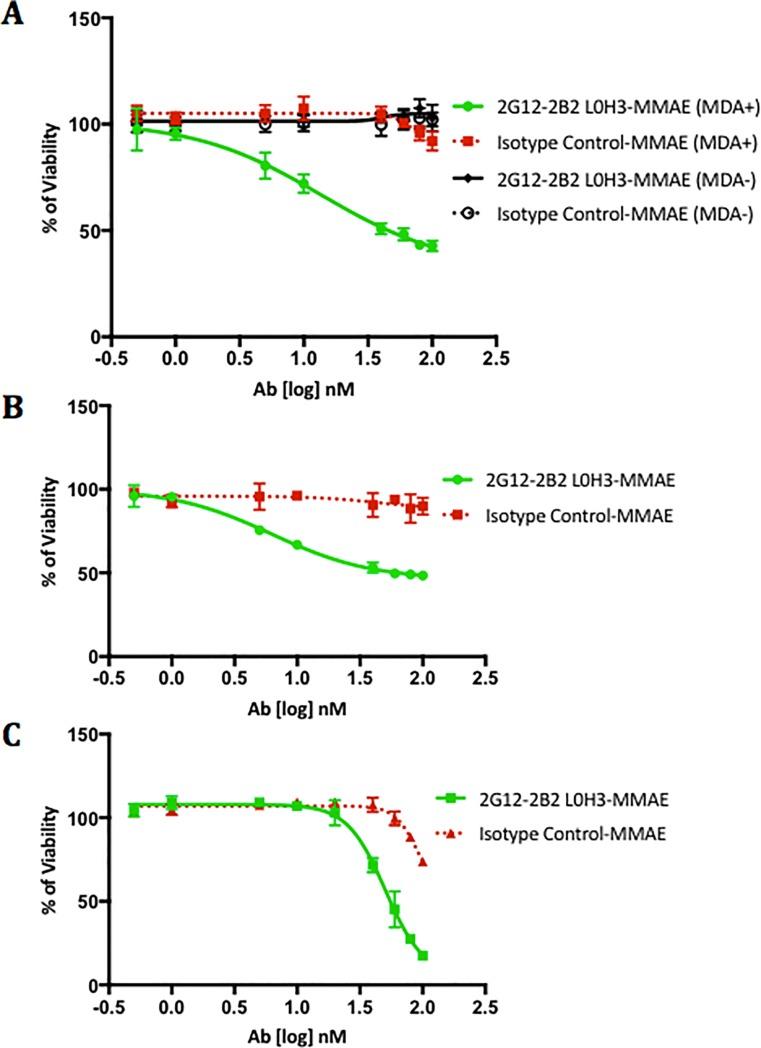
The expression of Sialyl-Tn (STn) in tumors is associated with metastatic disease, poor prognosis, and reduced overall survival. STn is expressed on ovarian cancer biomarkers including CA-125 (MUC16) and MUC1, and elevated serum levels of STn in ovarian cancer patients correlate with lower five-year survival rates. In the current study, we humanized novel anti-STn antibodies and demonstrated the retention of nanomolar (nM) target affinity while maintaining STn antigen selectivity. STn antibodies conjugated to Monomethyl Auristatin E (MMAE-ADCs) demonstrated in vitro cytotoxicity specific to STn-expressing ovarian cancer cell lines and tumor growth inhibition in vivo with both ovarian cancer cell line- and patient-derived xenograft models. We further validated the clinical potential of these STn-ADCs through tissue cross-reactivity and cynomolgus monkey toxicity studies. No membrane staining for STn was present in any organs of human or cynomolgus monkey origin, and the toxicity profile was favorable and only revealed MMAE-class associated events with none being attributed to the targeting of STn. The up-regulation of STn in ovarian carcinoma in combination with high affinity and STn-specific selectivity of the mAbs presented herein warrant further investigation for anti-STn antibody-drug conjugates in the clinical setting.
唾液酸化-Tn(STn)在肿瘤中的表达与转移疾病、预后不良和总生存期缩短有关。STn 在卵巢癌生物标志物包括 CA-125(MUC16)和 MUC1 上表达,卵巢癌患者血清中 STn 水平升高与五年生存率降低相关。在本研究中,我们对新型抗-STn 抗体进行了人源化改造,并证明了保留纳摩尔(nM)靶亲和力的同时保持了 STn 抗原选择性。与 STn 表达的卵巢癌细胞系相比,连接到单甲基奥瑞他汀 E(MMAE-ADC)的 STn 抗体在体外具有特异性细胞毒性,并且在卵巢癌细胞系和患者来源的异种移植模型中体内肿瘤生长抑制作用。我们通过组织交叉反应和食蟹猴毒性研究进一步验证了这些 STn-ADC 的临床潜力。在任何来自人类或食蟹猴的器官中均未检测到 STn 的膜染色,并且毒性特征良好,仅显示出与 MMAE 类相关的事件,没有一个归因于 STn 的靶向。卵巢癌中 STn 的上调以及本文所述 mAbs 的高亲和力和 STn 特异性选择性,为抗-STn 抗体药物偶联物在临床环境中的进一步研究提供了依据。



 Zotero 插件