
角膜基底膜和基质纤维化。
The Corneal Basement Membranes and Stromal Fibrosis.
机构信息
The Cole Eye Institute, The Cleveland Clinic, Cleveland, Ohio, United States.
Department of Ophthalmology at University of Sao Paulo, Sao Paulo, Brazil.
出版信息
Invest Ophthalmol Vis Sci. 2018 Aug 1;59(10):4044-4053. doi: 10.1167/iovs.18-24428.
PURPOSE
The purpose of this review was to provide detailed insights into the pathophysiology of myofibroblast-mediated fibrosis (scarring or late haze) after corneal injury, surgery, or infection.
METHOD
Literature review.
RESULTS
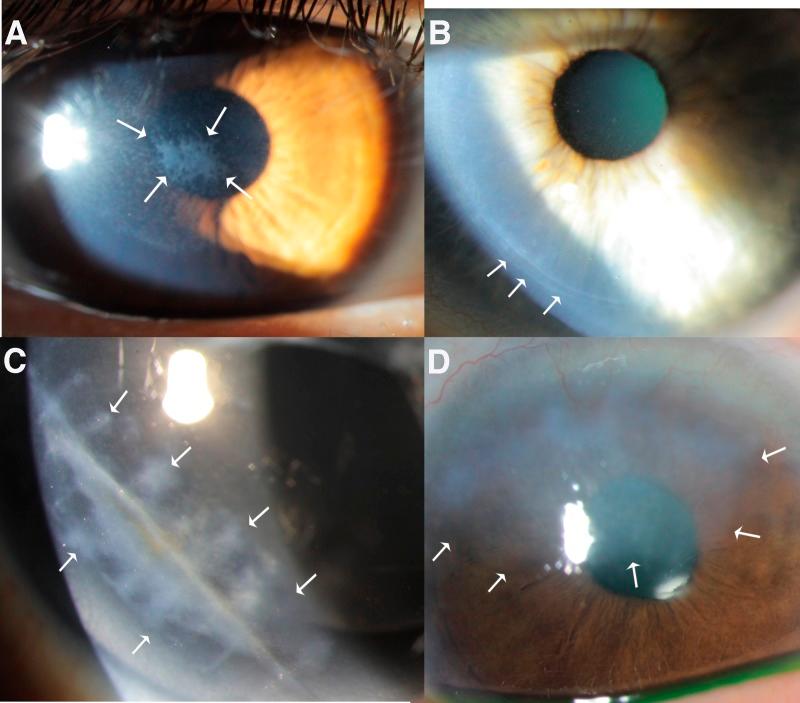
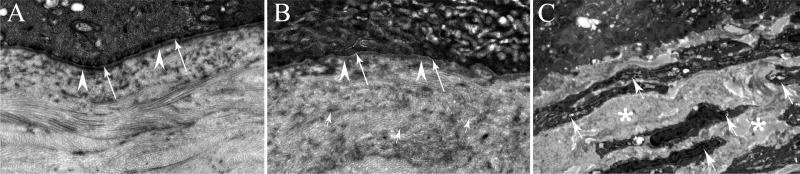
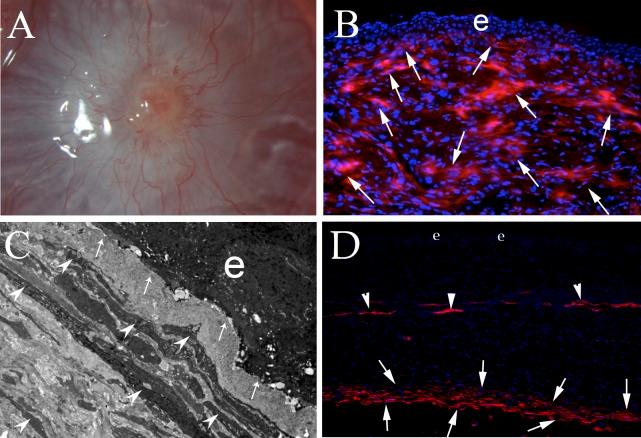
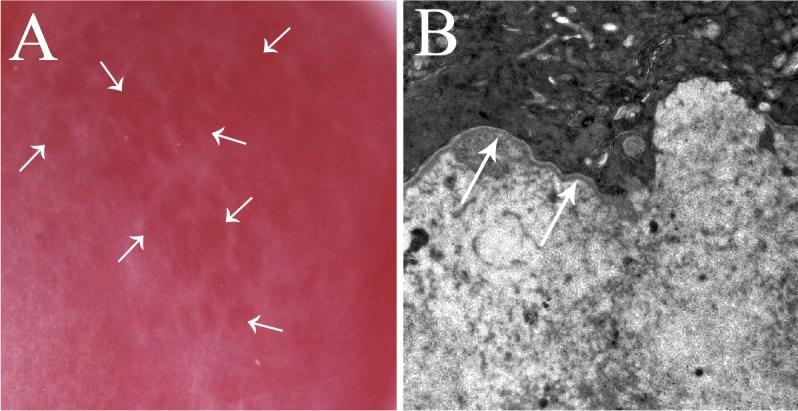
The epithelium and epithelial basement membrane (EBM) and/or endothelium and Descemet's basement membrane (BM) are commonly disrupted after corneal injuries, surgeries, and infections. Regeneration of these critical regulatory structures relies on the coordinated production of BM components, including laminins, nidogens, perlecan, and collagen type IV by epithelial, endothelial, and keratocyte cells. Whether a cornea, or an area in the cornea, heals with transparency or fibrosis may be determined by whether there is injury to one or both corneal basement membranes (EBM and/or Descemet's BM) and delayed or defective regeneration or replacement of the BM. These opaque myofibroblasts, and the disordered extracellular matrix these cells produce, persist in the stroma until the EBM and/or Descemet's BM is regenerated or replaced.
CONCLUSIONS
Corneal stromal fibrosis (also termed "stromal scarring" or "late haze") occurs as a consequence of BM injury and defective regeneration in both the anterior (EBM) and posterior (Descemet's BM) cornea. The resolution of fibrosis and return of stromal transparency depends on reestablished BM structure and function. It is hypothesized that defective regeneration of the EBM or Descemet's BM allows key profibrotic growth factors, including transforming growth factor beta-1 (TGF-β1) and TGF-β2, to penetrate the stroma at sustained levels necessary to drive the development and maintenance of mature opacity-producing myofibroblasts from myofibroblast precursors cells, and studies suggest that perlecan and collagen type IV are the critical components in EBM and Descemet's BM that bind TGF-β1, TGF-β2, platelet-derived growth factor, and possibly other growth factors, and regulate their bioavailability and function during homeostasis and corneal wound healing.
目的
本综述旨在详细阐述角膜损伤、手术或感染后肌成纤维细胞介导的纤维化(瘢痕或迟发性混浊)的病理生理学机制。
方法
文献回顾。
结果
角膜损伤、手术和感染后,上皮和上皮基底膜(EBM)和/或内皮和Descemet 基底膜(BM)通常会被破坏。这些关键调节结构的再生依赖于上皮细胞、内皮细胞和角膜基质细胞对 BM 成分(包括层粘连蛋白、巢蛋白、蛋白聚糖和 IV 型胶原)的协调产生。角膜或角膜区域是否透明或纤维化愈合,可能取决于 EBM 和/或 Descemet 的 BM 是否受到损伤,以及 BM 的再生或替代是否延迟或有缺陷。这些不透明的肌成纤维细胞及其产生的细胞外基质紊乱会持续存在于基质中,直到 EBM 和/或 Descemet 的 BM 被再生或替代。
结论
角膜基质纤维化(也称为“基质瘢痕形成”或“迟发性混浊”)是由于前(EBM)和后(Descemet 的 BM)角膜 BM 损伤和再生缺陷所致。纤维化的消退和基质透明度的恢复取决于重建的 BM 结构和功能。据推测,EBM 或 Descemet 的 BM 再生缺陷允许关键的促纤维化生长因子,包括转化生长因子-β1(TGF-β1)和 TGF-β2,以持续水平穿透基质,从而驱动成熟的产生不透明度的肌成纤维细胞从肌成纤维细胞前体细胞的发育和维持,并表明蛋白聚糖和 IV 型胶原是 EBM 和 Descemet 的 BM 中的关键成分,可结合 TGF-β1、TGF-β2、血小板衍生生长因子,可能还有其他生长因子,并调节它们在稳态和角膜伤口愈合过程中的生物利用度和功能。


 Zotero 插件