
多重耐药菌中必需群体感应蛋白的鉴定
Identification of the Indispensable Quorum Sensing Proteins of Multidrug Resistant .
作者信息
Pawar Shrikant, Ashraf Md Izhar, Mujawar Shama, Mishra Rohit, Lahiri Chandrajit
机构信息
Department of Computer Science, Georgia State University, Atlanta, GA, United States.
Department of Biology, Georgia State University, Atlanta, GA, United States.
出版信息
Front Cell Infect Microbiol. 2018 Aug 7;8:269. doi: 10.3389/fcimb.2018.00269. eCollection 2018.
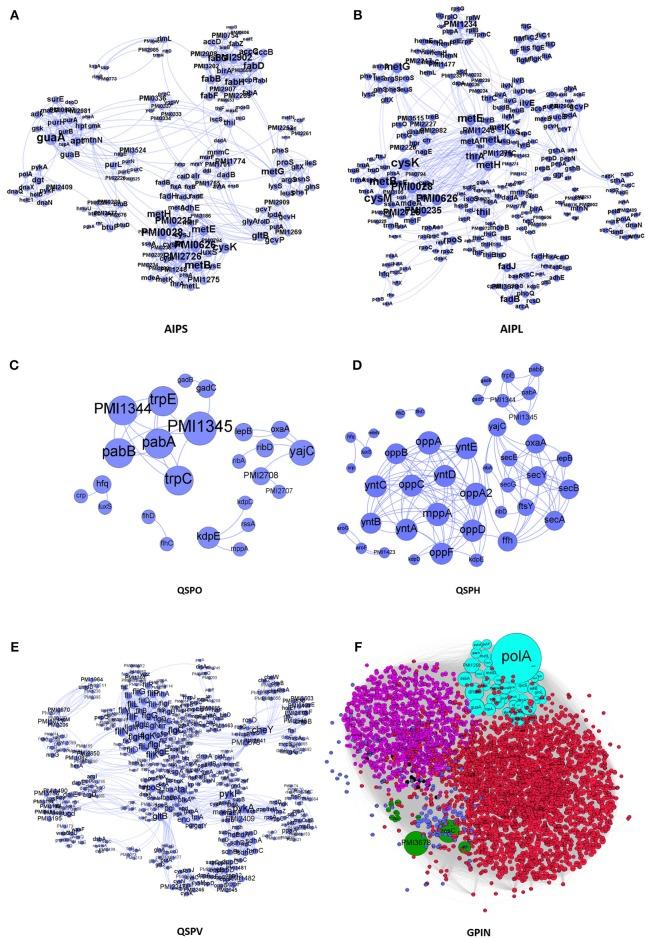
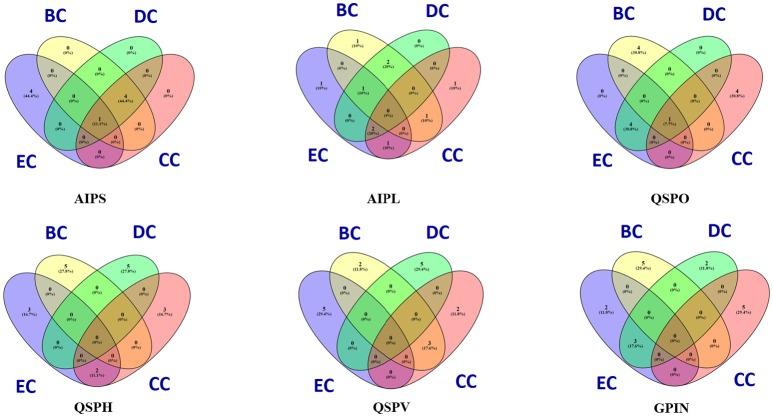
Catheter-associated urinary tract infections (CAUTI) is an alarming hospital based disease with the increase of multidrug resistance (MDR) strains of . Cases of long term hospitalized patients with multiple episodes of antibiotic treatments along with urinary tract obstruction and/or undergoing catheterization have been reported to be associated with CAUTI. The cases are complicated due to the opportunist approach of the pathogen having robust swimming and swarming capability. The latter giving rise to biofilms and probably inducible through autoinducers make the scenario quite complex. High prevalence of long-term hospital based CAUTI for patients along with moderate percentage of morbidity, cropping from ignorance about drug usage and failure to cure due to MDR, necessitates an immediate intervention strategy effective enough to combat the deadly disease. Several reports and reviews focus on revealing the important genes and proteins, essential to tackle CAUTI caused by . Despite longitudinal countrywide studies and methodical strategies to circumvent the issues, effective means of unearthing the most indispensable proteins to target for therapeutic uses have been meager. Here, we report a strategic approach for identifying the most indispensable proteins from the genome of strain HI4320, besides comparing the interactomes comprising the autoinducer-2 (AI-2) biosynthetic pathway along with other proteins involved in biofilm formation and responsible for virulence. Essentially, we have adopted a theoretical network model based approach to construct a set of small protein interaction networks (SPINs) along with the whole genome (GPIN) to computationally identify the crucial proteins involved in the phenomenon of quorum sensing (QS) and biofilm formation and thus, could be therapeutically targeted to fight out the MDR threats to antibiotics of . Our approach utilizes the functional modularity coupled with k-core analysis and centrality scores of eigenvector as a measure to address the pressing issues.
导尿管相关尿路感染(CAUTI)是一种令人担忧的医院内疾病,随着[病原体名称]多重耐药(MDR)菌株的增加而增多。据报道,长期住院且多次接受抗生素治疗、伴有尿路梗阻和/或正在接受导尿的患者病例与CAUTI有关。由于病原体具有强大的游动和群体运动能力,采取机会主义方式,这些病例变得复杂。后者会形成生物膜,并且可能通过自诱导物诱导产生,这使得情况相当复杂。长期住院患者中CAUTI的高患病率以及因对药物使用无知和MDR导致的中度发病率,需要一种足够有效的立即干预策略来对抗这种致命疾病。几份报告和综述聚焦于揭示应对[病原体名称]引起的CAUTI所必需的重要基因和蛋白质。尽管进行了全国范围的纵向研究并采取了系统策略来规避这些问题,但挖掘出用于治疗用途的最不可或缺蛋白质的有效方法却很少。在这里,我们报告了一种战略方法,用于从[病原体名称]HI4320菌株的基因组中鉴定最不可或缺的蛋白质,此外还比较了包含自诱导物-2(AI-2)生物合成途径以及其他参与生物膜形成和致病的蛋白质的相互作用组。本质上,我们采用了基于理论网络模型的方法来构建一组小蛋白质相互作用网络(SPINs)以及全基因组相互作用网络(GPIN),以通过计算鉴定参与群体感应(QS)和生物膜形成现象的关键蛋白质,从而可以将其作为治疗靶点来对抗[病原体名称]对抗生素的MDR威胁。我们使用功能模块性结合k-核分析和特征向量中心性得分作为一种措施来解决紧迫问题。


 Zotero 插件