
钴催化下环丙醇与炔烃之间的发散性开环偶联反应。
Divergent ring-opening coupling between cyclopropanols and alkynes under cobalt catalysis.
作者信息
Yang Junfeng, Shen Yixiao, Lim Yang Jie, Yoshikai Naohiko
机构信息
Division of Chemistry and Biological Chemistry , School of Physical and Mathematical Sciences , Nanyang Technological University , Singapore 637371 , Singapore . Email:
出版信息
Chem Sci. 2018 Jul 16;9(34):6928-6934. doi: 10.1039/c8sc02074d. eCollection 2018 Sep 14.
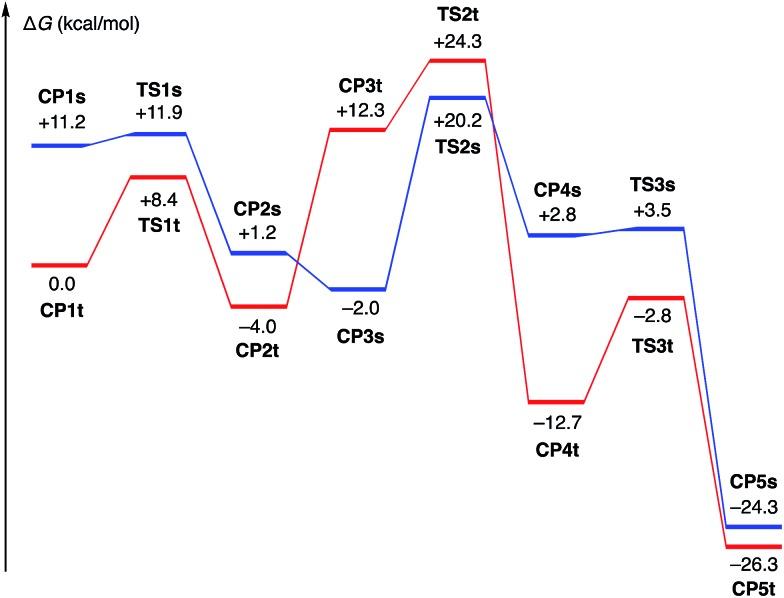
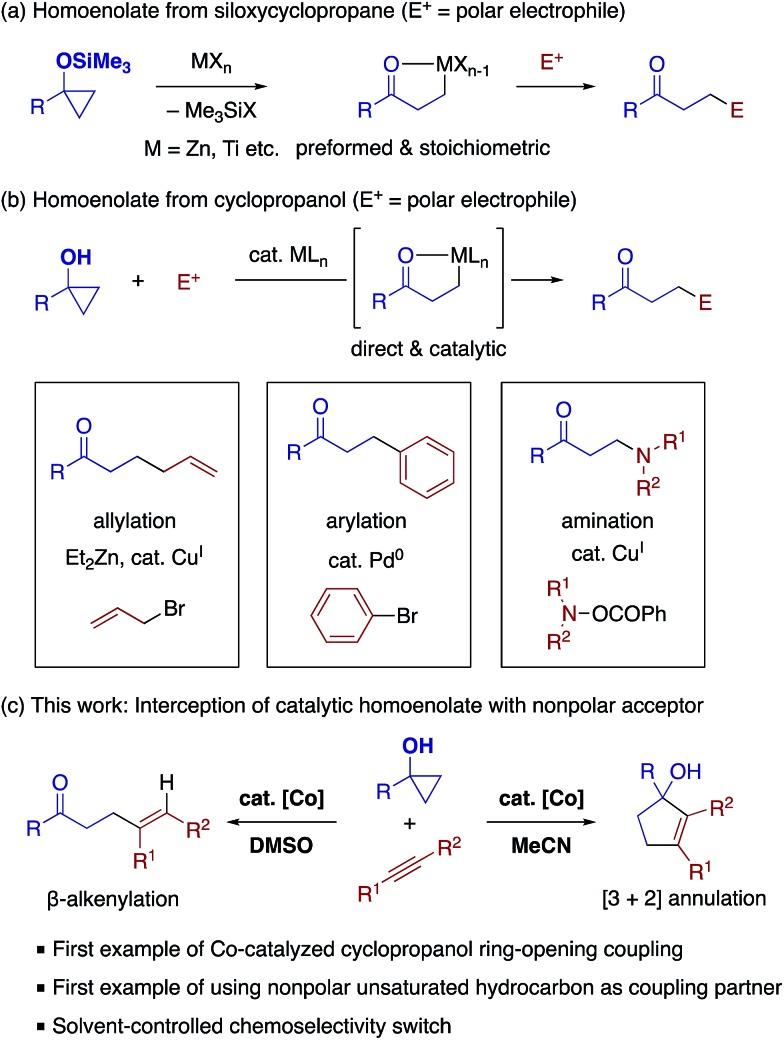
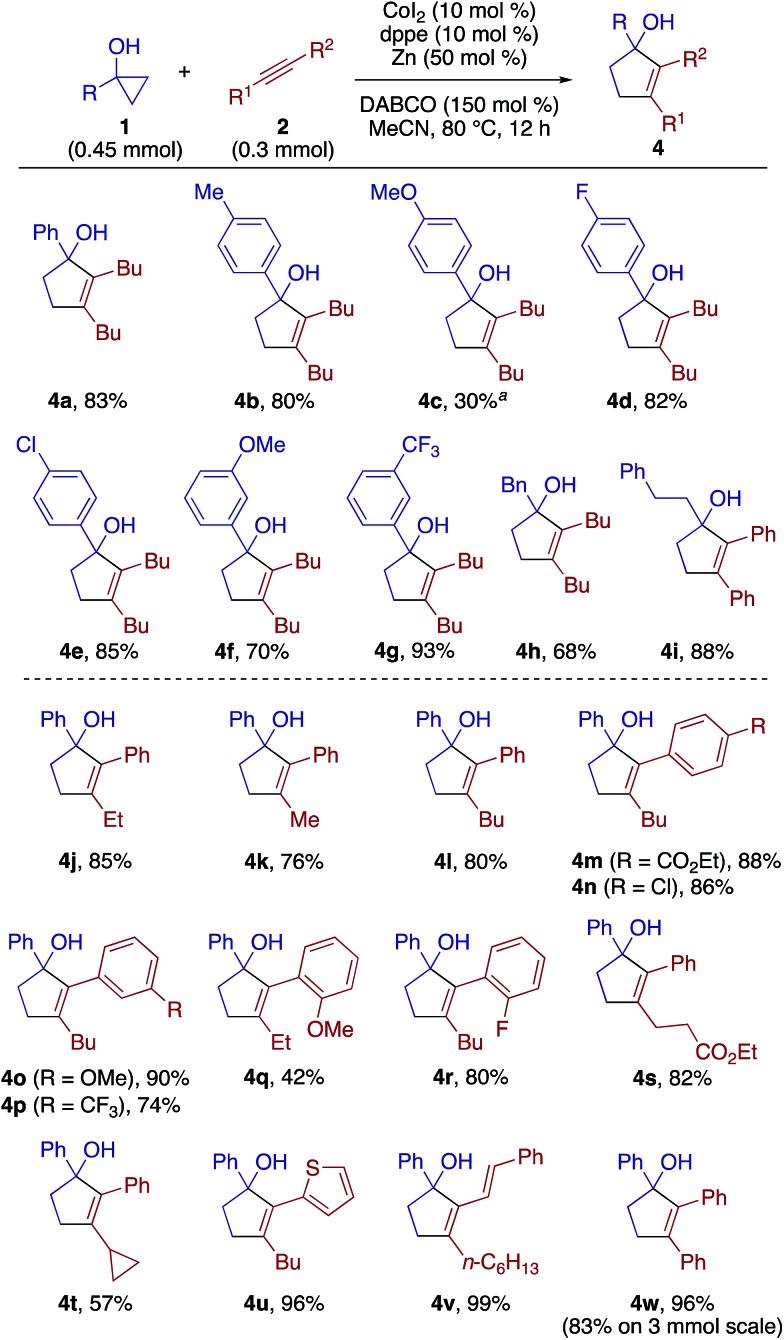
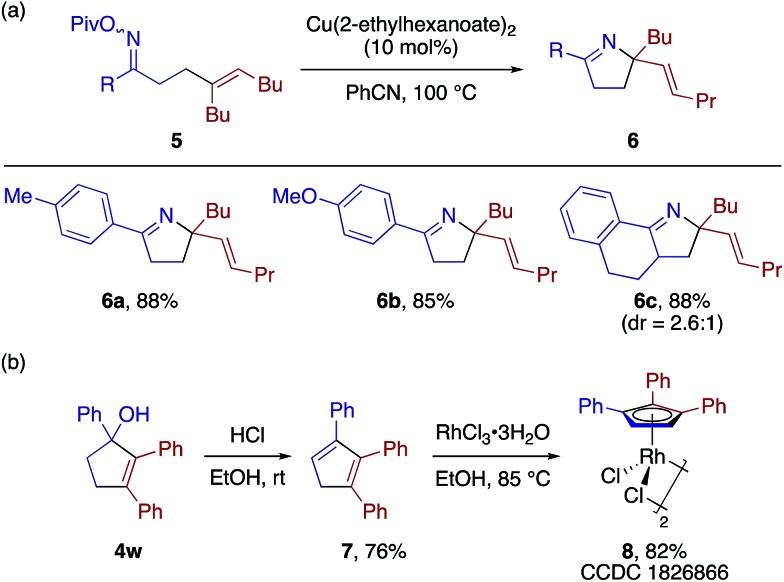
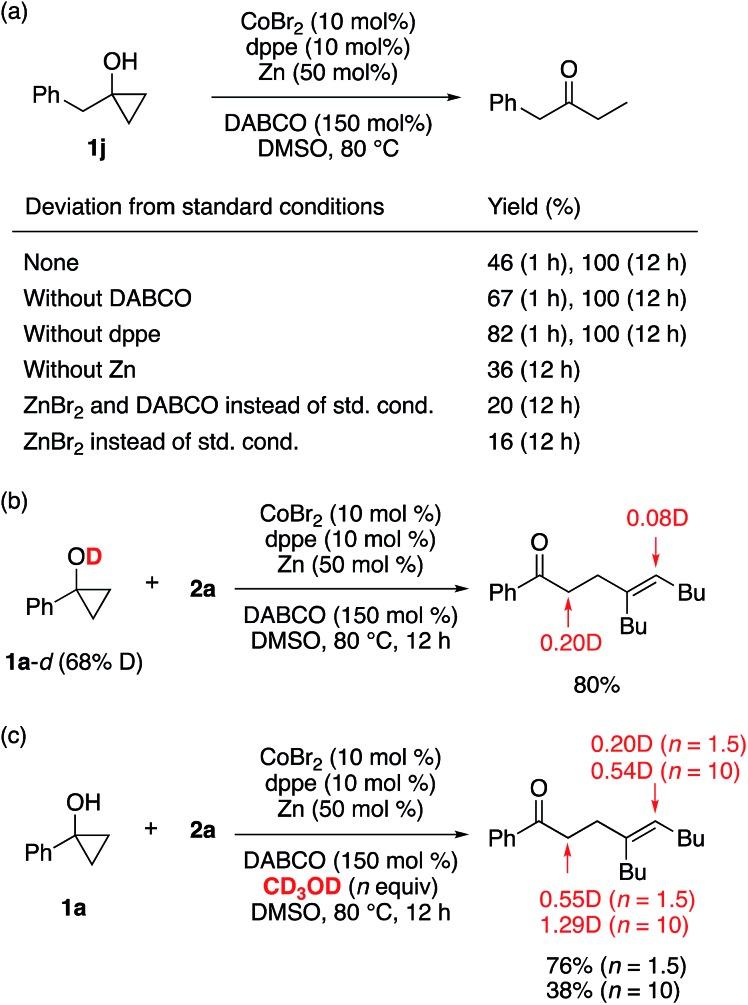
Cobalt-diphosphine catalysts promote ring-opening coupling reactions between cyclopropanols and unactivated internal alkynes, affording either β-alkenyl ketones or multisubstituted cyclopentenol derivatives in good yields with good to excellent regioselectivities. The chemoselectivity between these β-alkenylation and [3 + 2] annulation reactions, which likely share a cobalt homoenolate as a key catalytic intermediate, is exquisitely controlled by the reaction conditions, with the solvent being a major controlling factor. The reactions are proposed to involve ring opening of cobalt cyclopropoxide into homoenolate, migratory insertion of the alkyne into the Co-C bond, and protodemetalation or intramolecular carbonyl addition of the resulting alkenylcobalt species. The feasibility of these reaction steps was supported by DFT calculations.
钴-二膦催化剂促进环丙醇与未活化的内炔之间的开环偶联反应,以良好的产率和良好至优异的区域选择性得到β-烯基酮或多取代的环戊烯醇衍生物。这些β-烯基化反应和[3 + 2]环化反应之间的化学选择性可能共享一个钴高烯醇盐作为关键催化中间体,该选择性受反应条件的精确控制,其中溶剂是主要控制因素。该反应被认为涉及钴环丙醇开环生成高烯醇盐、炔烃迁移插入Co-C键以及所得烯基钴物种的质子脱金属化或分子内羰基加成。这些反应步骤的可行性得到了密度泛函理论(DFT)计算的支持。





 Zotero 插件