
加巴喷丁在降低乳腺癌手术后疼痛强度及吗啡用量方面的疗效:一项荟萃分析。
The efficacy of gabapentin in reducing pain intensity and morphine consumption after breast cancer surgery: A meta-analysis.
作者信息
Jiang Yunfeng, Li Junhong, Lin Huasheng, Huang Qiaotong, Wang Tongbiao, Zhang Shijie, Zhang Qing, Rong Zheng, Xiong Jun
机构信息
Oncology Department, The First Affiliated Hospital of Guangxi University of Chinese Medicine Medical Ethics Committee Department of Spleen and Stomach Liver Disease, Nanning, Guangxi College of Education Science, Guangxi Teachers Education University, Nanning Department of Acupuncture and Moxibustion, The Affiliated Hospital of Jiangxi University of Traditional Chinese Medicine, Nanchang, Jiangxi, China.
出版信息
Medicine (Baltimore). 2018 Sep;97(38):e11581. doi: 10.1097/MD.0000000000011581.
BACKGROUND
The purpose of this meta-analysis from randomized controlled trials (RCTs) was to determine the efficacy and safety of the preoperative use of gabapentin for the treatment of acute and chronic postoperative pain following breast cancer surgery.
METHODS
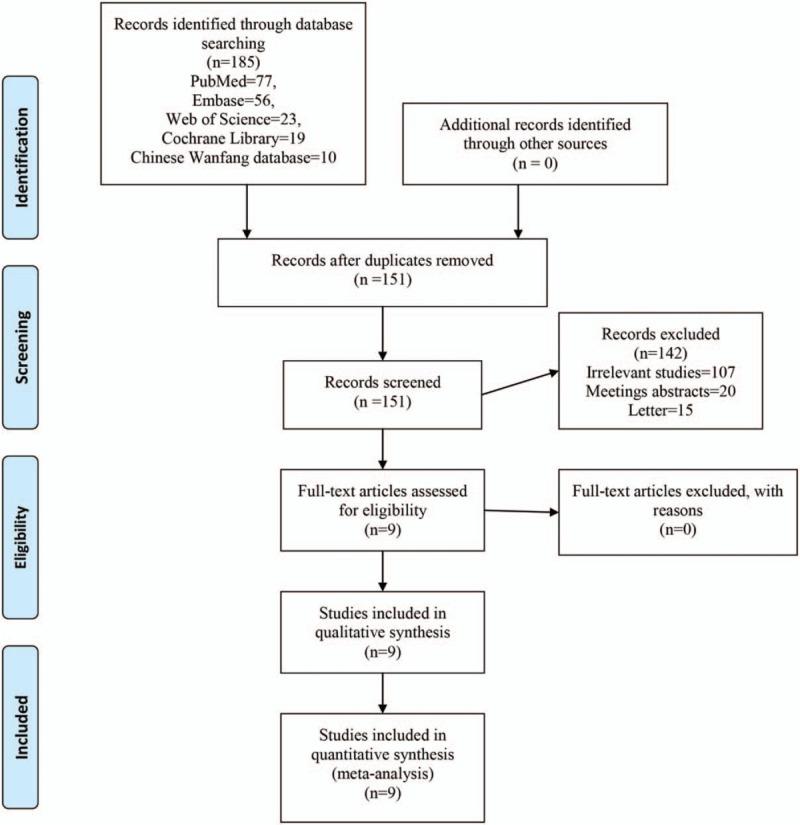
In November 2017, a systematic computer-based search was conducted in PubMed, Embase, Web of Science, Cochrane Library, and Google databases. RCTs comparing gabapentin with placebo in patients undergoing breast cancer surgery were retrieved. The primary endpoint was the visual analog scale (VAS) after surgery and 24 hours after surgery and total morphine consumption. The secondary outcomes were incidence of chronic pain and complications (the incidence of nausea). Software Stata 12.0 was used for meta-analysis.
RESULTS
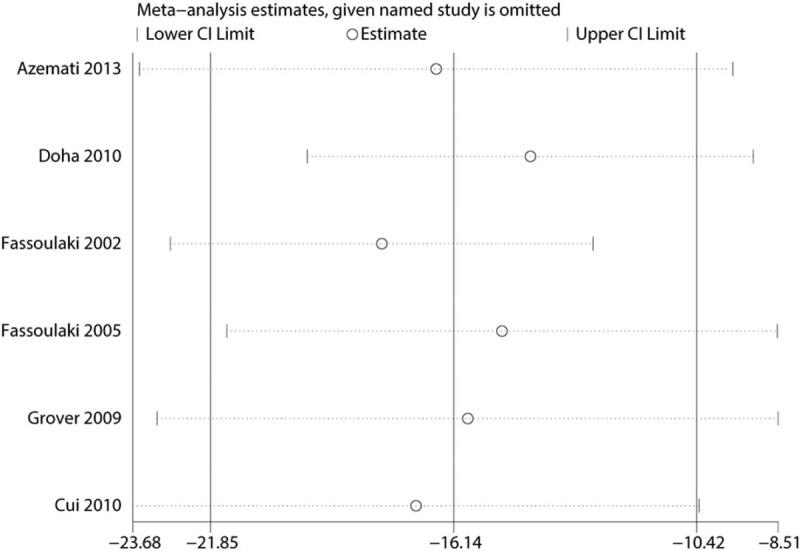
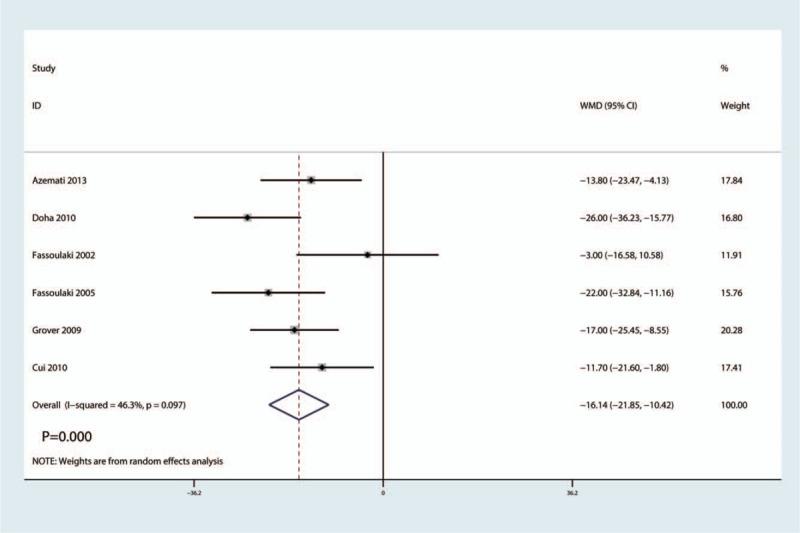
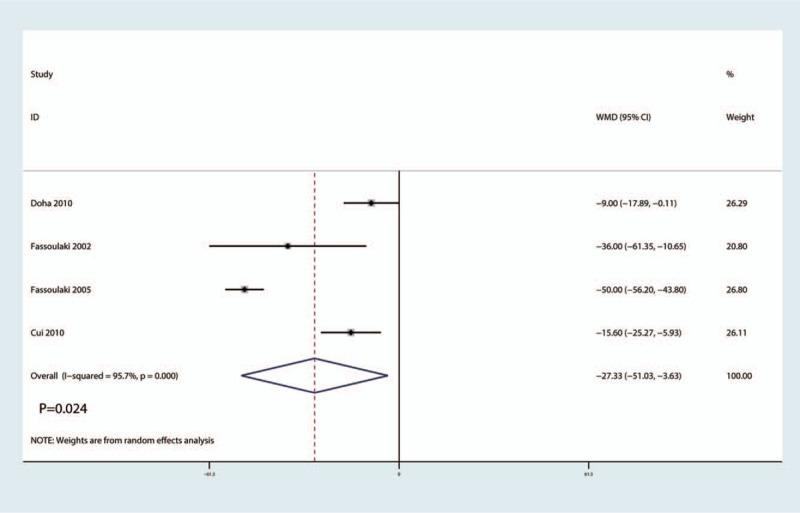
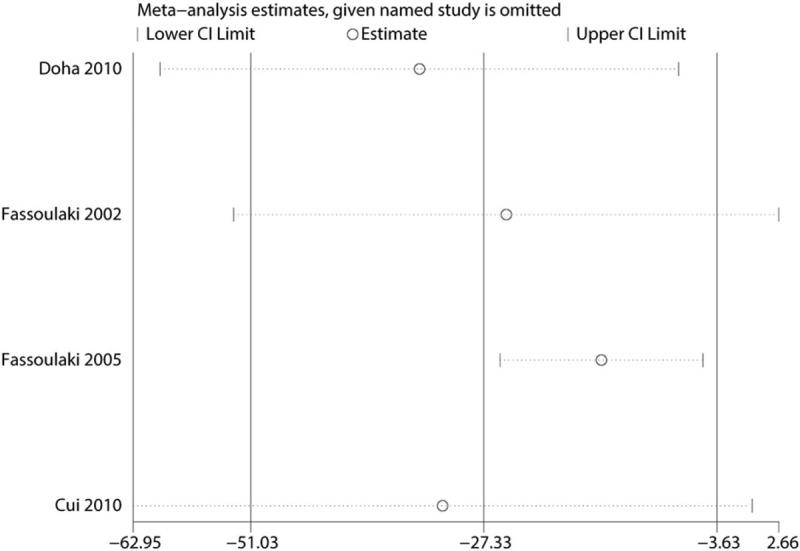
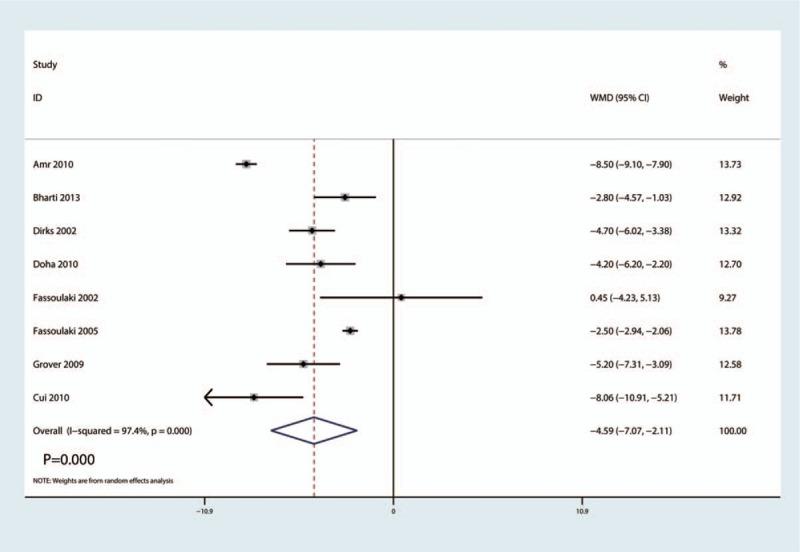
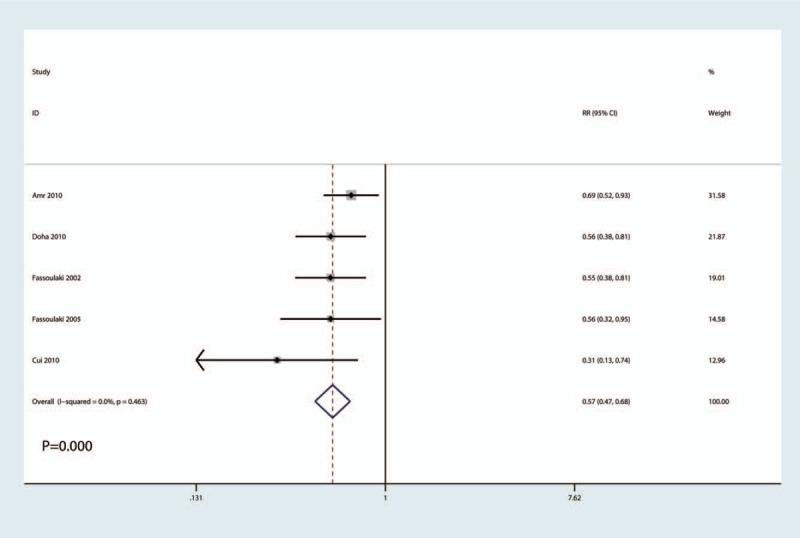
Finally, 9 RCTs were included in the meta-analysis. Results indicated that gabapentin was associated with reduced pain scores after surgery and 24 hours after surgery. Meanwhile, oral gabapentin was associated with a reduction of the total morphine consumption after breast cancer surgery. Similarly, gabapentin was associated with a reduction in the incidence of chronic pain and the incidence of nausea.
CONCLUSIONS
Preoperative use of gabapentin was able to reduce acute and chronic postoperative pain, total morphine consumption and the occurrence of nausea following breast cancer surgery. Further studies should determine the optimal dose of gabapentin for pain control after breast cancer surgery.
背景
本随机对照试验的荟萃分析旨在确定术前使用加巴喷丁治疗乳腺癌手术后急性和慢性疼痛的疗效及安全性。
方法
2017年11月,在PubMed、Embase、科学网、考克兰图书馆和谷歌数据库中进行了基于计算机的系统检索。检索了在接受乳腺癌手术的患者中将加巴喷丁与安慰剂进行比较的随机对照试验。主要终点是术后及术后24小时的视觉模拟评分(VAS)和吗啡总消耗量。次要结局是慢性疼痛和并发症(恶心发生率)。使用Stata 12.0软件进行荟萃分析。
结果
最终,9项随机对照试验纳入荟萃分析。结果表明,加巴喷丁与术后及术后24小时疼痛评分降低相关。同时,口服加巴喷丁与乳腺癌手术后吗啡总消耗量减少相关。同样,加巴喷丁与慢性疼痛发生率和恶心发生率降低相关。
结论
术前使用加巴喷丁能够减轻乳腺癌手术后的急性和慢性疼痛、吗啡总消耗量以及恶心的发生。进一步研究应确定乳腺癌手术后控制疼痛的加巴喷丁最佳剂量。




 Zotero 插件