
全生命周期小鼠多组织 DNA 甲基化钟。
A whole lifespan mouse multi-tissue DNA methylation clock.
机构信息
Division of Genetics, Department of Medicine, Brigham and Women's Hospital and Harvard Medical School, Boston, United States.
Center for Data-Intensive Biomedicine and Biotechnology, Skolkovo Institute of Science and Technology, Moscow, Russia.
出版信息
Elife. 2018 Nov 14;7:e40675. doi: 10.7554/eLife.40675.
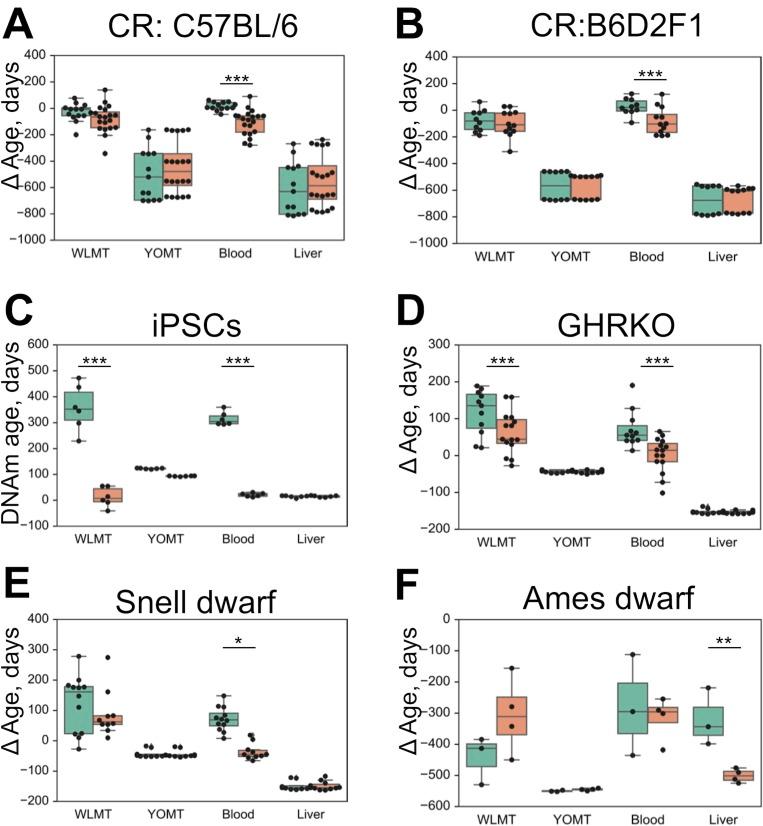
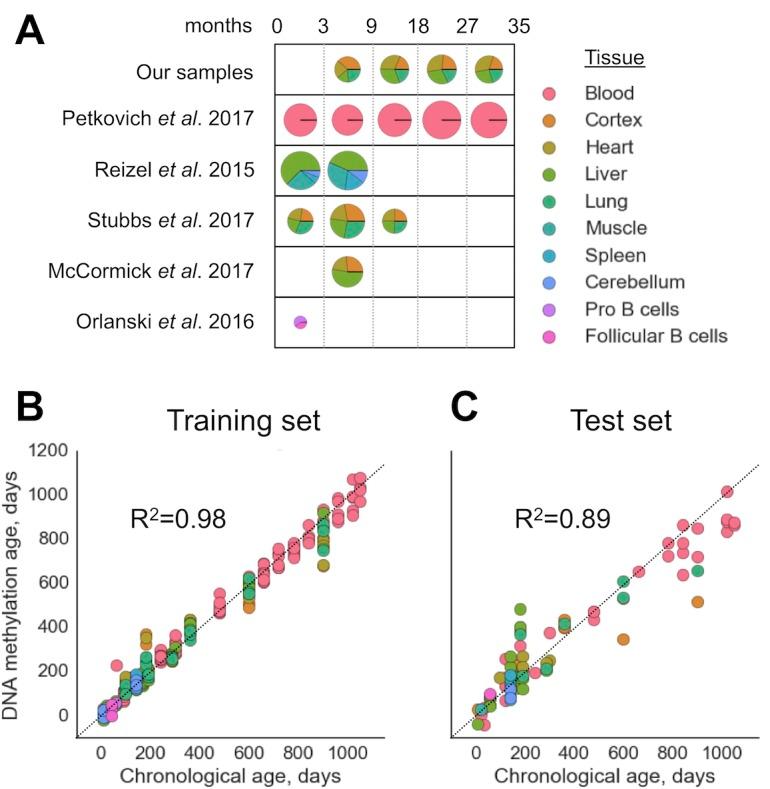
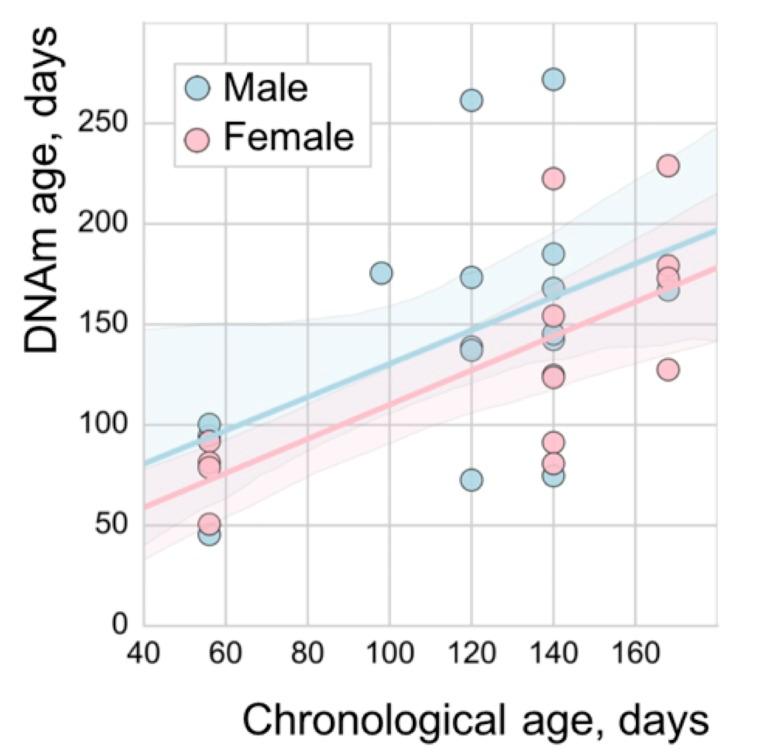
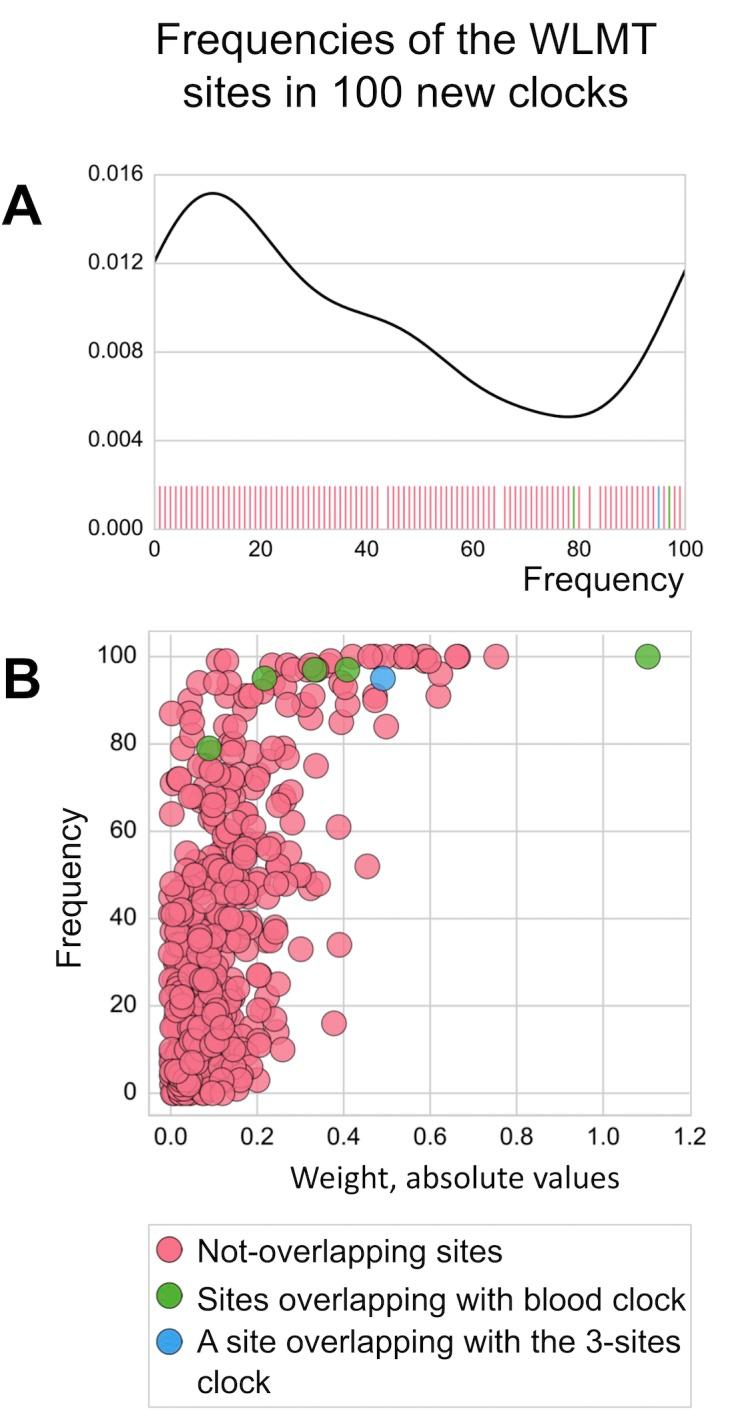
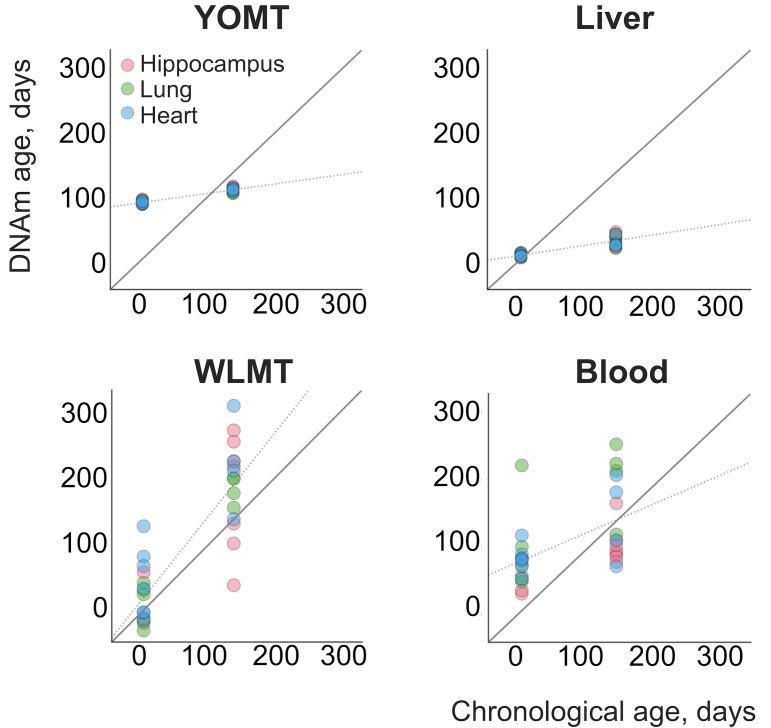
Age predictors based on DNA methylation levels at a small set of CpG sites, DNAm clocks, have been developed for humans and extended to several other species. Three currently available versions of mouse DNAm clocks were either created for individual tissues or tuned toward young ages. Here, we constructed a robust multi-tissue age predictor based on 435 CpG sites, which covers the entire mouse lifespan and remains unbiased with respect to any particular age group. It can successfully detect the effects of certain lifespan-modulating interventions on DNAm age as well as the rejuvenation effect related to the transition from fibroblasts to iPSCs. We have carried out comparative analyses of available mouse DNAm clocks, which revealed their broad applicability, but also certain limitations to the use of tissue-specific and multi-tissue age predictors. Together, these tools should help address diverse questions in aging research.
基于一小部分 CpG 位点的 DNA 甲基化水平的年龄预测器(DNAm 时钟)已被开发用于人类,并扩展到其他几种物种。目前有三种可用的小鼠 DNAm 时钟版本,要么是针对单个组织创建的,要么是针对年轻年龄段进行调整的。在这里,我们构建了一个基于 435 个 CpG 位点的稳健的多组织年龄预测器,它涵盖了整个小鼠的寿命,并且对任何特定的年龄组都没有偏见。它可以成功地检测到某些寿命调节干预对 DNAm 年龄的影响,以及与从成纤维细胞到 iPSC 的转变相关的年轻化效应。我们对现有的小鼠 DNAm 时钟进行了比较分析,结果表明它们具有广泛的适用性,但也存在使用组织特异性和多组织年龄预测器的某些限制。这些工具一起应该有助于解决衰老研究中的各种问题。




 Zotero 插件