
在断奶期间,强化代乳粉喂养方案对羔羊的免疫反应和肠道微生物群有益。
An intensive milk replacer feeding program benefits immune response and intestinal microbiota of lambs during weaning.
作者信息
Zhang Qian, Li Chong, Niu Xiaolin, Zhang Zhian, Li Fadi, Li Fei
机构信息
State Key Laboratory of Grassland Agro-ecosystems; Key Laboratory of Grassland Livestock Industry Innovation, Ministry of Agriculture and Rural Affairs; College of Pastoral Agriculture Science and Technology, Lanzhou University, Lanzhou, China.
College of Animal Science and Technology, Gansu Agricultural University, Lanzhou, China.
出版信息
BMC Vet Res. 2018 Nov 26;14(1):366. doi: 10.1186/s12917-018-1691-x.
BACKGROUND
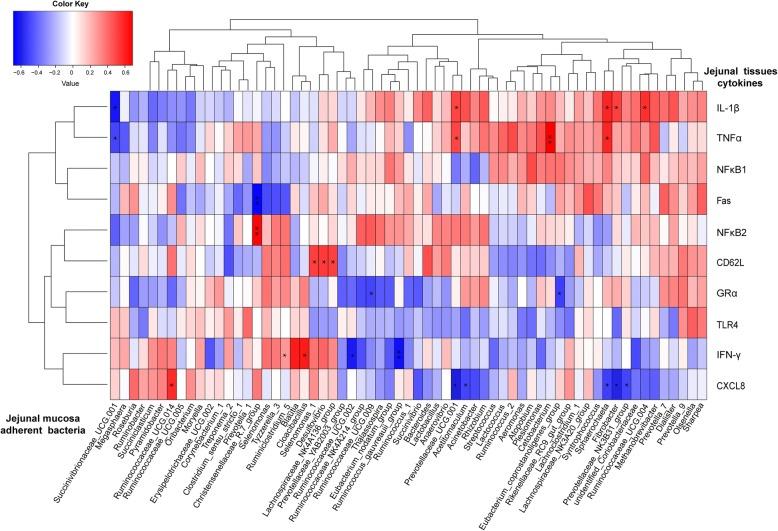
Pre-weaning milk replacer (MR) feeding program is a key factor affecting the health and welfare of lambs during their weaning. Weaning stress is well known as an inducement that negatively impacts the immune system of young ruminants, whose physiological and immune state is closely linked to the community of microbiota in their intestines. This study had two objectives: 1) To evaluate the innate immune response to weaning stress at both the physiological and molecular level; 2) To investigate changes to the jejunal chyme and mucosal adhesive microbiota between the control and high plane of MR groups.
RESULTS
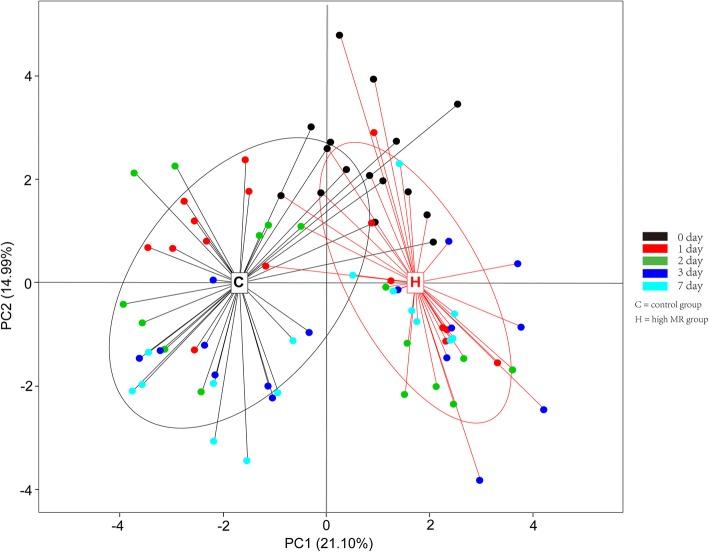
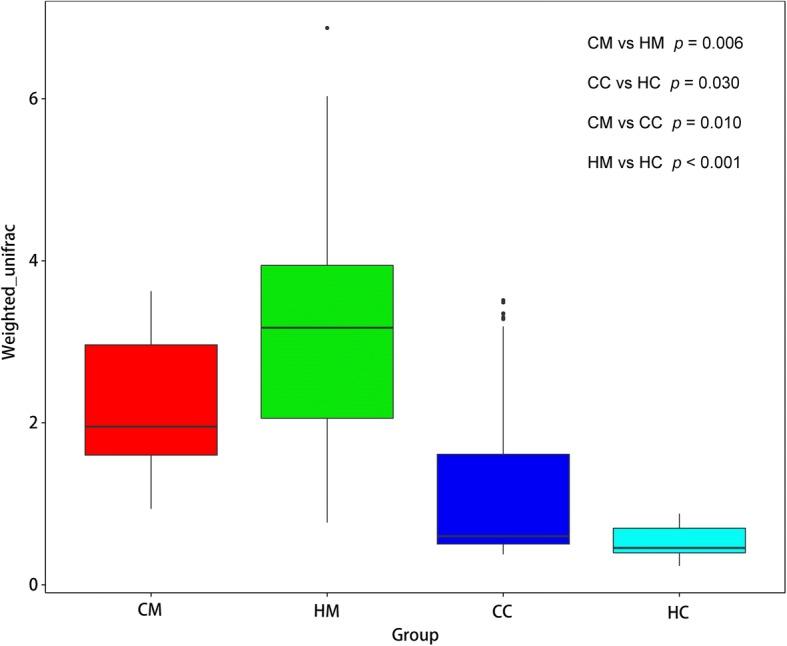
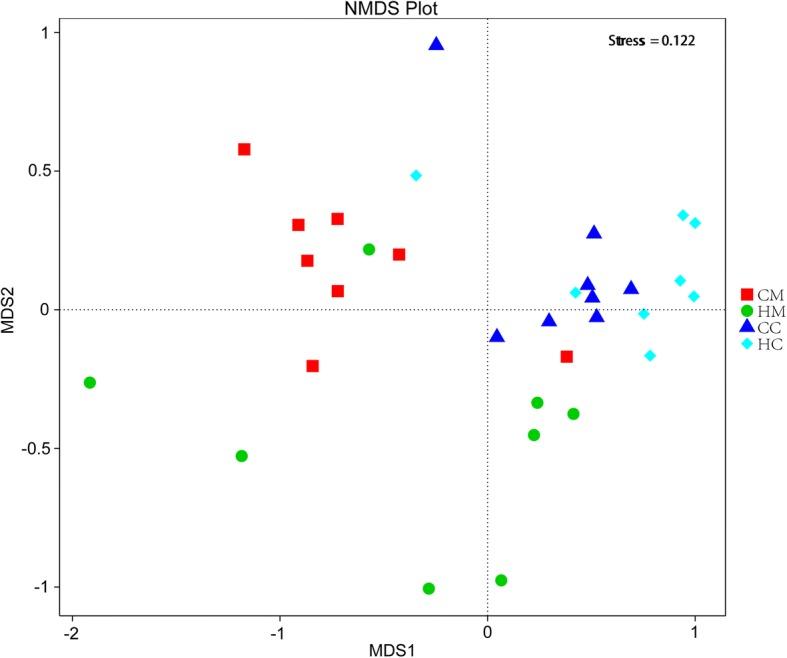
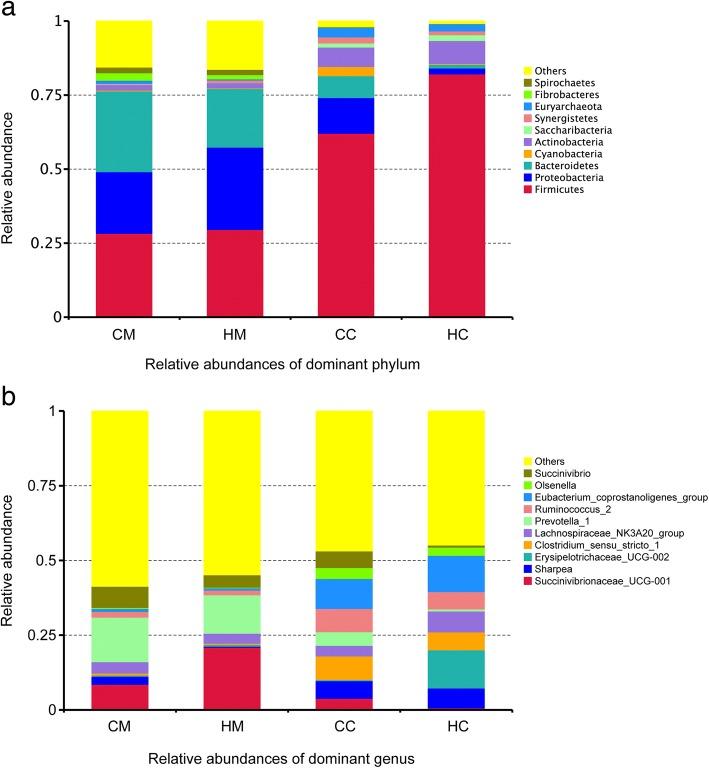
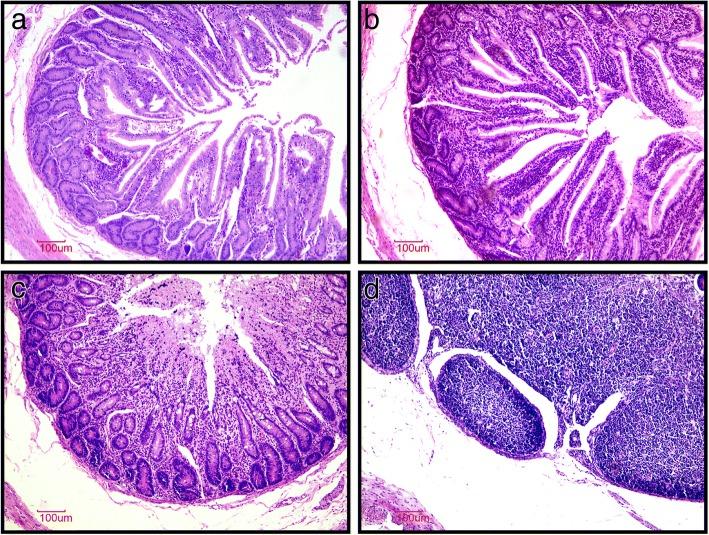
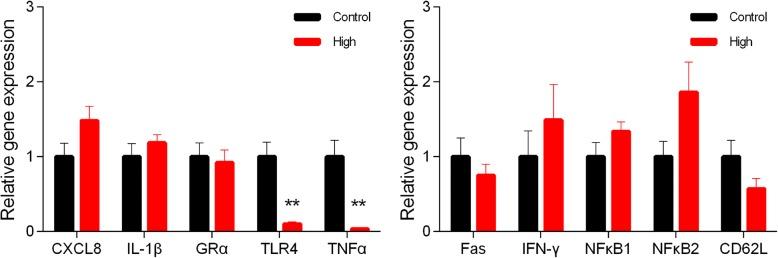
In this experiment, the plasma concentrations of cortisol, norepinephrine (NE) and tumor necrosis factor-α (TNFα) were higher in the C than the H group (P < 0.05), as was the expression of pro-inflammatory cytokines such as TNFα and CXCL8 (P < 0.05) in plasma. In jejunal tissue, the expression of TLR4 and TNFα were also higher in the C group (P < 0.01); histopathology showed the H group had lower lymphocyte infiltration. In the C group, however, major pathological changes were associated with extensive infiltration of lymphocytes, eosinophils, and neutrophils. Principal component analysis indicated the lamb immune response was influenced by weaning stress and modulated by the MR treatments. 16S-rRNA sequencing was used to evaluate jejunal mucosa and chyme bacterial diversity and composition. The C group's chyme had a greater alpha index (ACE: P = 0.095; Chao1: P = 0.085) than H group. In jejunal mucosa, the relative abundance of Plesiomonas was 4-fold higher (P = 0.017) in the C than the H group.
CONCLUSIONS
This study's results revealed that weaning stress induced alterations to the lambs' immune system that lasted beyond the 21 d measured, and that a long-term inflammatory response effect was evidenced by changes in their hematological and expressed pro-inflammatory cytokines. Pre-weaning with a differing MR allowance resulted in complicated biological responses and compositional changes to the lambs' jejunal microbiota. Clearly, an intensive MR feeding program induced a milder immunity response and lower relative abundance of pathogenic bacteria when compared with the traditional feeding program.
背景
断奶前代乳料(MR)饲喂方案是影响羔羊断奶期间健康和福利的关键因素。断奶应激是众所周知的对幼龄反刍动物免疫系统产生负面影响的诱因,其生理和免疫状态与肠道微生物群落密切相关。本研究有两个目标:1)在生理和分子水平评估对断奶应激的先天性免疫反应;2)研究对照组和高代乳料水平组之间空肠食糜和黏膜附着微生物群的变化。
结果
在本实验中,C组血浆中皮质醇、去甲肾上腺素(NE)和肿瘤坏死因子-α(TNFα)的浓度高于H组(P<0.05),血浆中TNFα和CXCL8等促炎细胞因子的表达也是如此(P<0.05)。在空肠组织中,C组TLR4和TNFα的表达也更高(P<0.01);组织病理学显示H组淋巴细胞浸润较少。然而,在C组中,主要病理变化与淋巴细胞、嗜酸性粒细胞和中性粒细胞的广泛浸润有关。主成分分析表明,羔羊的免疫反应受断奶应激影响,并受代乳料处理调节。采用16S-rRNA测序评估空肠黏膜和食糜细菌的多样性和组成。C组食糜的α指数(ACE:P=0.095;Chao1:P=0.085)高于H组。在空肠黏膜中,C组类志贺邻单胞菌的相对丰度比H组高4倍(P=0.017)。
结论
本研究结果表明断奶应激诱导了羔羊免疫系统的改变,这种改变在测量的21天之后仍持续存在,血液学变化和促炎细胞因子表达证明了长期炎症反应效应。断奶前不同代乳料供给量导致羔羊空肠微生物群复杂的生物学反应和组成变化。显然,与传统饲喂方案相比,强化代乳料饲喂方案诱导的免疫反应较轻,病原菌相对丰度较低。
 Zotero 插件