
四钠乙二胺有效清除来自患者中心静脉导管的临床相关微生物形成的生物膜。
Tetrasodium EDTA Is Effective at Eradicating Biofilms Formed by Clinically Relevant Microorganisms from Patients' Central Venous Catheters.
机构信息
Vaccine and Infectious Disease Organization-International Vaccine Centre, Saskatoon, Saskatchewan, Canada.
Department of Veterinary Microbiology, University of Saskatchewan, Saskatoon, Saskatchewan, Canada.
出版信息
mSphere. 2018 Nov 28;3(6):e00525-18. doi: 10.1128/mSphere.00525-18.
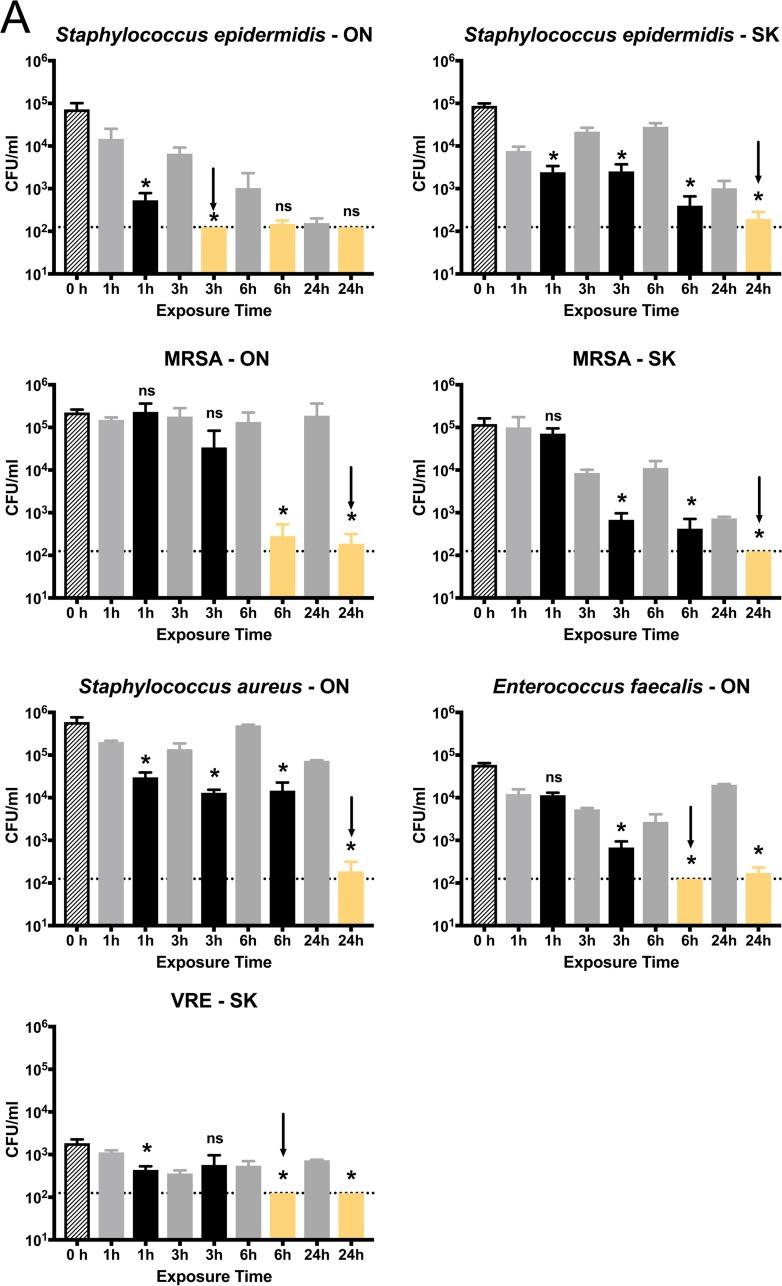
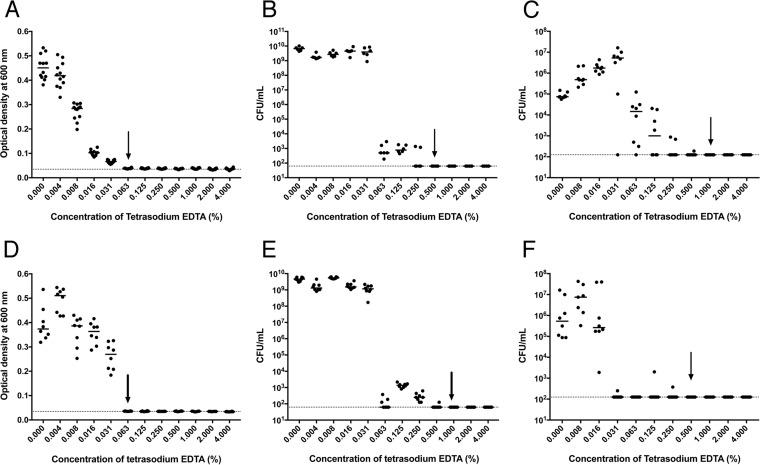
Central venous access devices (CVADs) are an essential component of modern health care. However, their prolonged use commonly results in microbial colonization, which carries the potential risk of hospital-acquired bloodstream infections. These infections complicate the treatment of already sick individuals and cost the existing health care systems around the world millions of dollars. The microbes that colonize CVADs typically form multicellular biofilms that are difficult to dislodge and are resistant to antimicrobial treatments. Clinicians are searching for better ways to extend the working life span of implanted CVADs, by preventing colonization and reducing the risk of bloodstream infections. In this study, we analyzed 210 bacterial and fungal isolates from colonized CVADs or human bloodstream infections from two hospitals geographically separated in the east and west of Canada and screened the isolates for biofilm formation Twenty isolates, representing 12 common, biofilm-forming species, were exposed to 4% tetrasodium EDTA, an antimicrobial lock solution that was recently approved in Canada for use as a medical device. The EDTA solution was effective at eradicating surface-attached biofilms from each microbial species, indicating that it could likely be used to prevent biofilm growth within CVADs and to eliminate established biofilms. This new lock solution fits with antibiotic stewardship programs worldwide by sparing the use of important antibiotic agents, targeting prevention rather than the expensive treatment of hospital-acquired infections. The colonization of catheters by microorganisms often precludes their long-term use, which can be a problem for human patients that have few body sites available for new catheters. The colonizing organisms often form biofilms, and increasingly these organisms are resistant to multiple antibiotics, making them difficult to treat. In this article, we have taken microorganisms that are associated with biofilm formation in catheters from two Canadian hospitals and tested them with tetrasodium EDTA, a new antimicrobial catheter lock solution. Tetrasodium EDTA was effective at eliminating Gram-positive, Gram-negative, and fungal species and represents a promising alternative to antibiotic treatment with less chance of the organisms developing resistance. We expect that our results will be of interest to researchers and clinicians and will lead to improved patient care.
中心静脉置管(CVAD)是现代医疗保健的重要组成部分。然而,它们的长期使用通常会导致微生物定植,从而带来医院获得性血流感染的潜在风险。这些感染使已经患病的个体的治疗变得复杂,并使全球现有医疗保健系统花费了数百万美元。定植在 CVAD 上的微生物通常形成难以去除的多细胞生物膜,并对抗微生物治疗具有抗性。临床医生正在寻找更好的方法来延长植入式 CVAD 的工作寿命,方法是防止定植和降低血流感染的风险。在这项研究中,我们分析了来自加拿大东部和西部两家医院的定植 CVAD 或人类血流感染的 210 株细菌和真菌分离株,并对这些分离株的生物膜形成进行了筛选。20 株分离株代表 12 种常见的生物膜形成物种,它们暴露于 4%四钠 EDTA 中,EDTA 是一种最近在加拿大获得批准用于医疗器械的抗菌锁定溶液。EDTA 溶液有效地从每种微生物物种的表面附着生物膜中消除,表明它可能可用于防止 CVAD 内生物膜的生长并消除已建立的生物膜。这种新的锁定溶液符合全球抗生素管理计划,通过节省重要抗生素药物的使用,针对预防而不是昂贵的医院获得性感染治疗。微生物对导管的定植通常会限制其长期使用,这对可供新导管使用的身体部位很少的人类患者来说是一个问题。定植的生物体通常形成生物膜,并且这些生物体对多种抗生素的耐药性越来越强,使得它们难以治疗。在本文中,我们从加拿大的两家医院中获取了与导管生物膜形成相关的微生物,并使用新的抗菌导管锁定溶液四钠 EDTA 对其进行了测试。四钠 EDTA 对革兰氏阳性、革兰氏阴性和真菌物种有效,代表了一种有前途的抗生素治疗替代方案,因为这些生物体产生耐药性的机会较小。我们预计我们的研究结果将引起研究人员和临床医生的兴趣,并将改善患者的护理。

 Zotero 插件