
从暴露于头孢替唑或头孢他啶亚最低抑菌浓度下的奶牛乳腺炎中分离出的特征。
Characteristics of Isolated from Bovine Mastitis Exposed to Subminimum Inhibitory Concentrations of Cefalotin or Ceftazidime.
机构信息
Department of Clinical Veterinary Medicine, College of Veterinary Medicine, China Agricultural University, Beijing, China.
M-team and Mastitis and Milk Quality Research Unit, Department of Reproduction, Obstetrics, and Herd Health, Faculty of Veterinary Medicine, Ghent University, Ghent, Belgium.
出版信息
Biomed Res Int. 2018 Nov 1;2018:4301628. doi: 10.1155/2018/4301628. eCollection 2018.
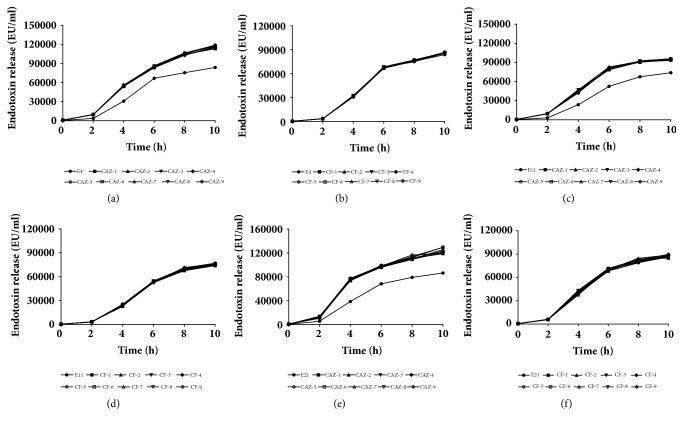
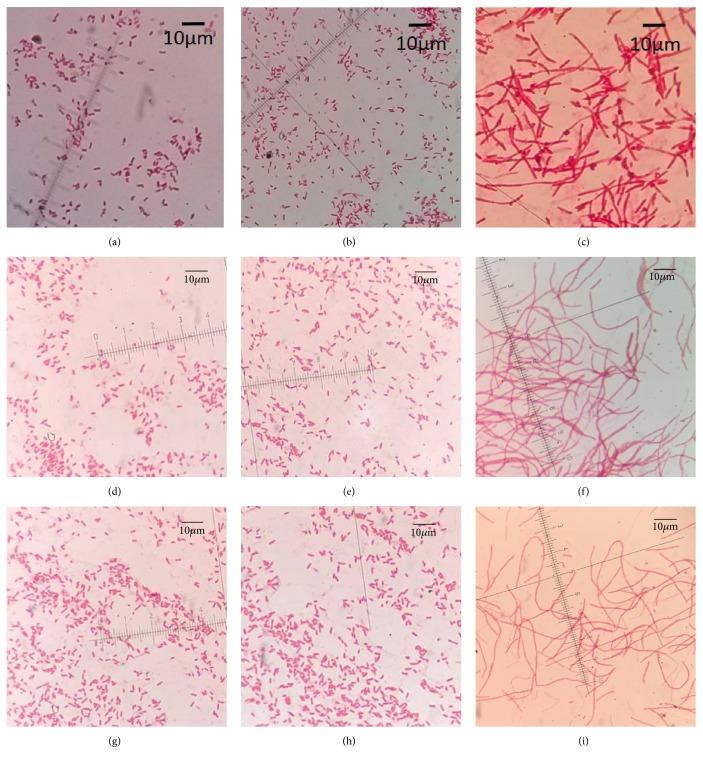
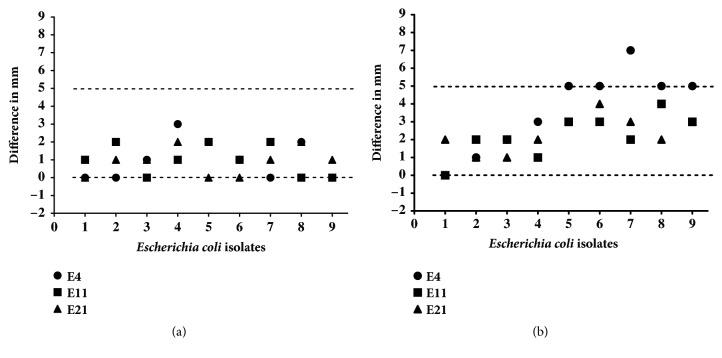
is a major udder pathogen causing clinical mastitis in dairy cattle and its heat stable endotoxin in powdered infant formula milk is a potential risk factor in neonatal infections. Cephalosporins are frequently used for treatment of mastitis caused by mastitis; however, use of these antimicrobials may induce antimicrobial resistance in . The objective of this study was to explore the effect of subminimum inhibitory concentrations (sub-MIC) of cefalotin (CF) and ceftazidime (CAZ) on the morphology, antimicrobial resistance, and endotoxin releasing characteristics of 3 isolates recovered from bovine clinical mastitis. The parent isolates, which were susceptible to CF and CAZ, were exposed to CF or CAZ separately at sub-MIC levels to produce 9 generations of induced isolates. Colonies of the CAZ-induced isolates from all 3 parent were smaller on blood agar and the bacteria became filamentous, whereas the CF-induced isolates did not demonstrate prominent morphological changes. After induction by CF or CAZ, many induced isolates showed resistance to cefoxitin, CAZ, CF, kanamycin, ampicillin, and amoxicillin/clavulanic acid while their parent isolates were susceptible to these antimicrobials. Notably, 5 CAZ-induced isolates from the same parent isolate were found to produce extended-spectrum beta-lactamase (ESBL) though none of the tested ESBL related genes could be detected. All CAZ-induced isolates released more endotoxin with a higher release rate, whereas endotoxin release of CF-induced isolates was not different from parent isolates. The exposure of cephalosporins at sub-MIC levels induced resistant We inferred that cephalosporins, especially CAZ, should be used prudently for treatment of clinical mastitis.
是一种主要的乳房病原体,可引起奶牛临床乳腺炎,其在粉状婴儿配方奶粉中的耐热内毒素是新生儿感染的潜在危险因素。头孢菌素常用于治疗乳腺炎引起的乳腺炎;然而,这些抗生素的使用可能会导致 产生抗生素耐药性。本研究旨在探索头孢噻吩(CF)和头孢他啶(CAZ)亚最小抑菌浓度(sub-MIC)对从牛临床乳腺炎中回收的 3 株分离株的形态、抗菌耐药性和内毒素释放特性的影响。对易感性 CF 和 CAZ 的亲本分离株分别在 sub-MIC 水平下暴露于 CF 或 CAZ 以产生 9 代诱导分离株。来自所有 3 个亲本分离株的 CAZ 诱导分离株在血琼脂上的菌落较小,细菌变成丝状,而 CF 诱导分离株则没有明显的形态变化。CF 或 CAZ 诱导后,许多诱导分离株对头孢西丁、CAZ、CF、卡那霉素、氨苄西林和阿莫西林/克拉维酸表现出耐药性,而其亲本分离株对这些抗生素敏感。值得注意的是,从同一亲本分离株中发现 5 株 CAZ 诱导分离株产生超广谱β-内酰胺酶(ESBL),尽管未检测到任何测试的 ESBL 相关基因。所有 CAZ 诱导分离株释放更多内毒素,释放率更高,而 CF 诱导分离株的内毒素释放与亲本分离株无差异。亚 MIC 水平下头孢菌素的暴露诱导了耐药性。我们推断,头孢菌素,尤其是 CAZ,应谨慎用于治疗临床乳腺炎。

 Zotero 插件