
男性生育的表观遗传学:对辅助生殖技术的影响
Epigenetics of Male Fertility: Effects on Assisted Reproductive Techniques.
作者信息
Giacone Filippo, Cannarella Rossella, Mongioì Laura M, Alamo Angela, Condorelli Rosita A, Calogero Aldo E, La Vignera Sandro
机构信息
Department of Clinical and Experimental Medicine, University of Catania, Catania, Italy.
出版信息
World J Mens Health. 2019 May;37(2):148-156. doi: 10.5534/wjmh.180071. Epub 2018 Nov 27.
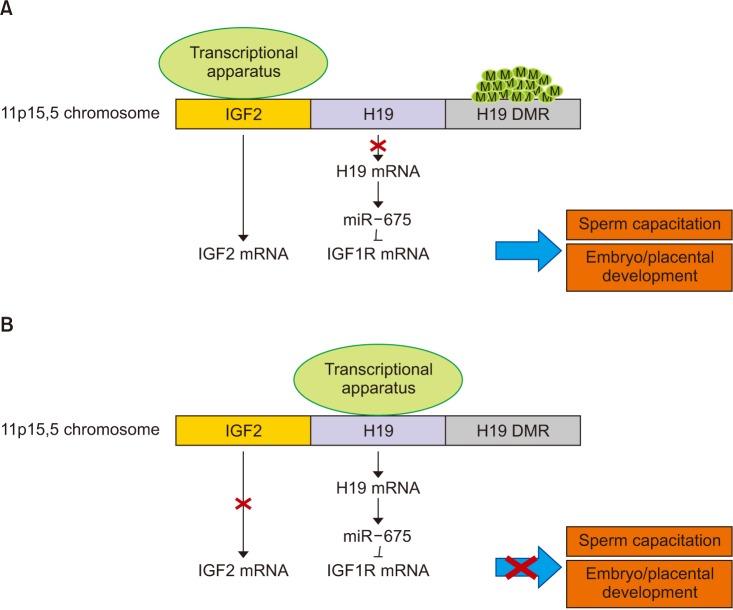
During the last decades the study of male infertility and the introduction of the assisted reproductive techniques (ARTs) has allowed to understand that normal sperm parameters do not always predict fertilization. Sperm genetic components could play an important role in the early stages of embryonic development. Based on these acquisitions, several epigenetic investigations have been developed on spermatozoa, with the aim of understanding the multifactorial etiology of male infertility and of showing whether embryonic development may be influenced by sperm epigenetic abnormalities. This article reviews the possible epigenetic modifications of spermatozoa and their effects on male fertility, embryonic development and ART outcome. It focuses mainly on sperm DNA methylation, chromatin remodeling, histone modifications and RNAs.
在过去几十年里,对男性不育的研究以及辅助生殖技术(ARTs)的引入使人们认识到,正常的精子参数并不总能预测受精情况。精子的遗传成分可能在胚胎发育的早期阶段发挥重要作用。基于这些发现,针对精子开展了多项表观遗传学研究,旨在了解男性不育的多因素病因,并探究胚胎发育是否可能受到精子表观遗传异常的影响。本文综述了精子可能发生的表观遗传修饰及其对男性生育力、胚胎发育和辅助生殖技术结局的影响。主要聚焦于精子DNA甲基化、染色质重塑、组蛋白修饰和RNA。
 Zotero 插件