
免疫治疗原理:对癌症和传染病治疗策略的影响
Principles of Immunotherapy: Implications for Treatment Strategies in Cancer and Infectious Diseases.
作者信息
Naran Krupa, Nundalall Trishana, Chetty Shivan, Barth Stefan
机构信息
Medical Biotechnology and Immunotherapy Unit, Institute of Infectious Disease and Molecular Medicine, Faculty of Health Sciences, University of Cape Town, Cape Town, South Africa.
South African Research Chair in Cancer Biotechnology, Department of Integrative Biomedical Sciences, Faculty of Health Sciences, University of Cape Town, Cape Town, South Africa.
出版信息
Front Microbiol. 2018 Dec 21;9:3158. doi: 10.3389/fmicb.2018.03158. eCollection 2018.
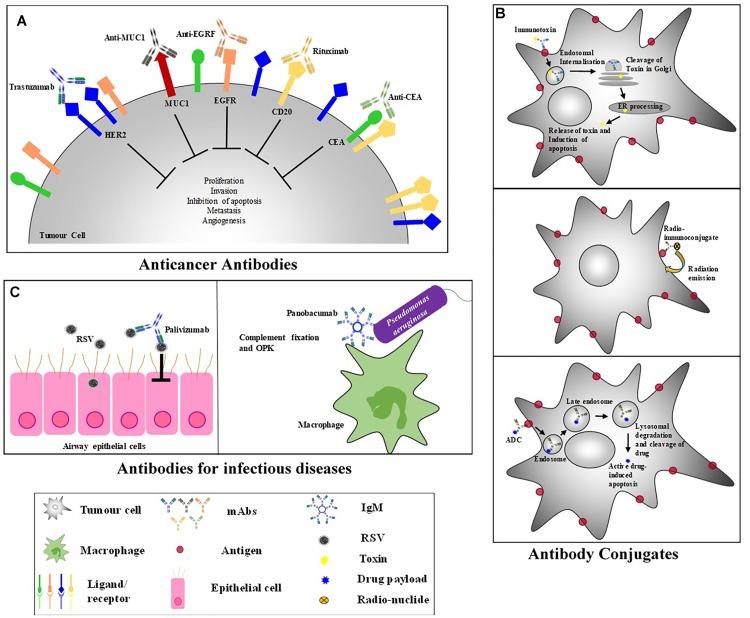
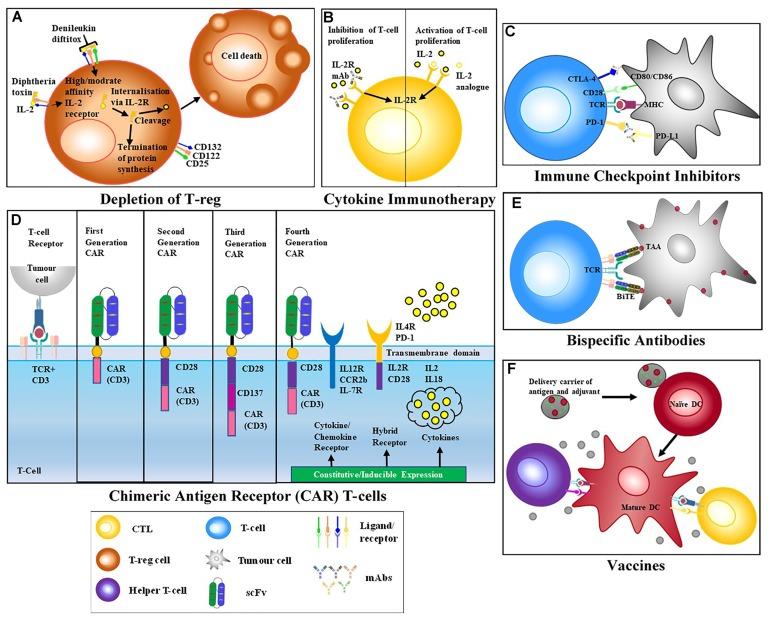
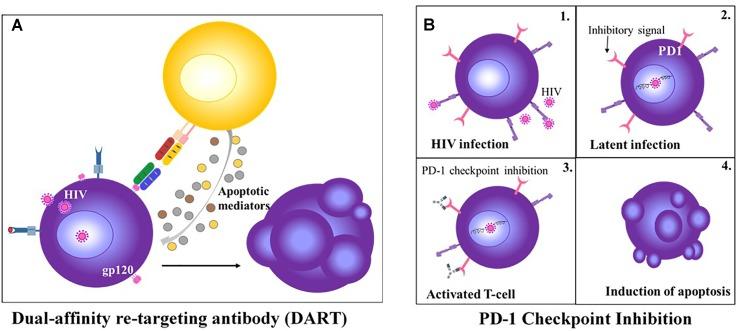
The advances in cancer biology and pathogenesis during the past two decades, have resulted in immunotherapeutic strategies that have revolutionized the treatment of malignancies, from relatively non-selective toxic agents to specific, mechanism-based therapies. Despite extensive global efforts, infectious diseases remain a leading cause of morbidity and mortality worldwide, necessitating novel, innovative therapeutics that address the current challenges of increasing antimicrobial resistance. Similar to cancer pathogenesis, infectious pathogens successfully fashion a hospitable environment within the host and modulate host metabolic functions to support their nutritional requirements, while suppressing host defenses by altering regulatory mechanisms. These parallels, and the advances made in targeted therapy in cancer, may inform the rational development of therapeutic interventions for infectious diseases. Although "immunotherapy" is habitually associated with the treatment of cancer, this review accentuates the evolving role of key targeted immune interventions that are approved, as well as those in development, for various cancers and infectious diseases. The general features of adoptive therapies, those that enhance T cell effector function, and ligand-based therapies, that neutralize or eliminate diseased cells, are discussed in the context of specific diseases that, to date, lack appropriate remedial treatment; cancer, HIV, TB, and drug-resistant bacterial and fungal infections. The remarkable diversity and versatility that distinguishes immunotherapy is emphasized, consequently establishing this approach within the armory of curative therapeutics, applicable across the disease spectrum.
在过去二十年中,癌症生物学和发病机制取得了进展,从而产生了免疫治疗策略,这些策略彻底改变了恶性肿瘤的治疗方式,从相对非选择性的毒性药物转向特定的、基于机制的疗法。尽管全球付出了巨大努力,但传染病仍然是全球发病和死亡的主要原因,因此需要新颖、创新的疗法来应对日益增加的抗菌药物耐药性这一当前挑战。与癌症发病机制类似,感染性病原体成功地在宿主体内营造了适宜的环境,并调节宿主代谢功能以满足其营养需求,同时通过改变调节机制来抑制宿主防御。这些相似之处以及癌症靶向治疗取得的进展,可能为传染病治疗干预措施的合理开发提供参考。尽管“免疫疗法”习惯性地与癌症治疗相关联,但本综述强调了已获批的以及正在开发的针对各种癌症和传染病的关键靶向免疫干预措施不断演变的作用。在目前缺乏适当治疗方法的特定疾病(癌症、艾滋病毒、结核病以及耐药细菌和真菌感染)的背景下,讨论了过继性疗法(增强T细胞效应功能)和基于配体的疗法(中和或消除病变细胞)的一般特征。强调了免疫疗法所具有的显著多样性和多功能性,从而将这种方法确立在治愈性疗法的武器库中,适用于整个疾病谱。
 Zotero 插件