
工程纳米粒子靶向重塑肿瘤微环境以改善癌症免疫治疗。
Engineering Nanoparticles for Targeted Remodeling of the Tumor Microenvironment to Improve Cancer Immunotherapy.
机构信息
Department of Pharmaceutics, School of Pharmacy, Shenyang Pharmaceutical University, Shenyang, Liaoning 117004, P. R. China.
Liaoning Cancer Hospital & Institute, Shenyang, Liaoning 110042, P. R. China.
出版信息
Theranostics. 2019 Jan 1;9(1):126-151. doi: 10.7150/thno.29431. eCollection 2019.
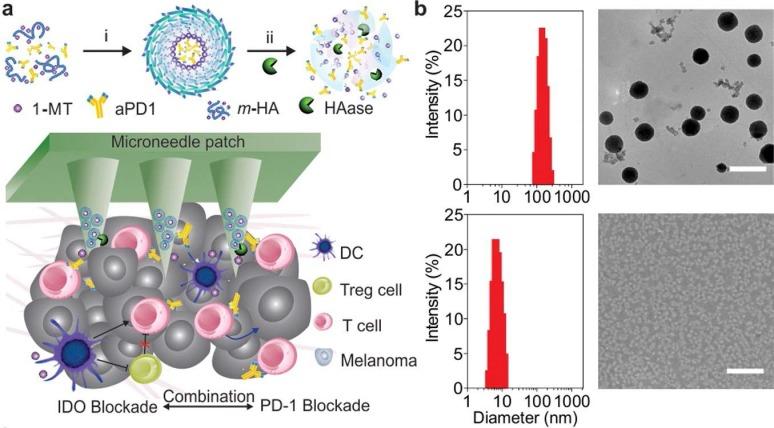
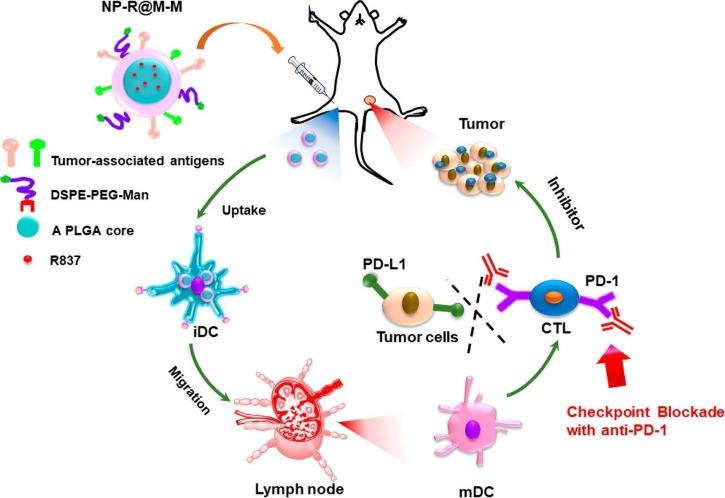
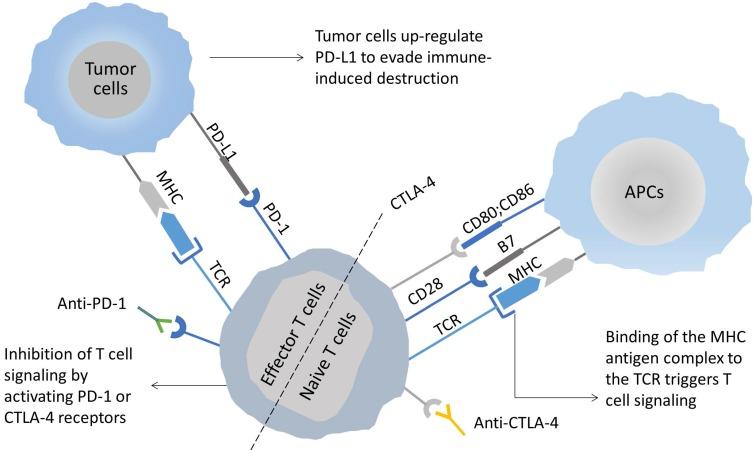
Owing to the fast-paced growth and cross-infiltration of oncology, immunology and molecular biology, tumor immunotherapy technology represented by immune checkpoint blockade and chimeric antigen receptor (CAR) T cell therapy has lately made remarkable advancements. In comparison with traditional chemotherapy, immunotherapy has the potential to elicit a stronger sustained antitumor immune response in those patients who have advanced malignant malignancies. In spite of the advancements made, a significant number of clinical research works have validated that an extensive proportion of cancer patients still manifest insensitivity to immunotherapy, primarily because of the immunomodulatory interactions between tumor cells and the immunosuppressive tumor microenvironment (TME), together mediating the immune tolerance of tumors and accordingly impacting the positive response to immunotherapy. The intricate immunosuppressive networks formed by stromal cells, inflammatory cells, vasculature, extracellular matrix (ECM), and their secreted cytokines in the TME, play a pivotal role in tumor immune escape. Specific blocking of inhibition pathways in the TME is expected to effectively prevent immune escape and tolerance of tumor cells in addition to their metastasis, accordingly improving the antitumor immune response at various phases of tumor growth. Emerging nanoscale targeted drug carriers truly suit this specific requirement due to their specificity, biocompatibility, and convenience of production. This review emphasizes recent attempts to remodel the tumor immune microenvironment using novel nanoparticles, which include specifically eliminating immunosuppressive cells, reprogramming immune regulatory cells, promoting inflammatory cytokines and blocking immune checkpoints. Targeted remodeling of the immunosuppressive TME using well-designed and fabricated nanoparticles provides a promising strategy for improving the effectiveness of current immunotherapy and is greatly significant.
由于肿瘤学、免疫学和分子生物学的快速发展和相互渗透,以免疫检查点阻断和嵌合抗原受体(CAR)T 细胞治疗为代表的肿瘤免疫治疗技术最近取得了显著进展。与传统化疗相比,免疫疗法有可能在患有晚期恶性肿瘤的患者中引发更强的持续抗肿瘤免疫反应。尽管取得了进展,但大量临床研究工作已经证实,相当一部分癌症患者仍然对免疫疗法不敏感,主要是因为肿瘤细胞与免疫抑制性肿瘤微环境(TME)之间的免疫调节相互作用,共同介导肿瘤的免疫耐受,从而影响对免疫疗法的积极反应。TME 中基质细胞、炎症细胞、血管、细胞外基质(ECM)及其分泌细胞因子形成的复杂免疫抑制网络在肿瘤免疫逃逸中起着关键作用。特异性阻断 TME 中的抑制途径有望有效防止肿瘤细胞的免疫逃逸和耐受及其转移,从而改善肿瘤生长各个阶段的抗肿瘤免疫反应。新兴的纳米级靶向药物载体由于其特异性、生物相容性和生产便利性,非常适合这种特定需求。本综述强调了最近利用新型纳米颗粒重塑肿瘤免疫微环境的尝试,包括特异性消除免疫抑制细胞、重编程免疫调节细胞、促进炎症细胞因子和阻断免疫检查点。使用精心设计和制造的纳米颗粒靶向重塑免疫抑制性 TME 为提高当前免疫疗法的有效性提供了一种很有前途的策略,具有重要意义。


 Zotero 插件