
多发性硬化继发三叉神经痛:从临床表现到治疗选择。
Trigeminal neuralgia secondary to multiple sclerosis: from the clinical picture to the treatment options.
机构信息
Department of Human Neurosciences, Sapienza University, Viale Università 30, 00185, Rome, Italy.
Danish Headache Center, Department of Neurology, Rigshospitalet - Glostrup, University of Copenhagen, Copenhagen, Denmark.
出版信息
J Headache Pain. 2019 Feb 19;20(1):20. doi: 10.1186/s10194-019-0969-0.
BACKGROUND
Trigeminal neuralgia is one of the most characteristic and difficult to treat neuropathic pain conditions in patients with multiple sclerosis. The present narrative review addresses the current evidence on diagnostic tests and treatment of trigeminal neuralgia secondary to multiple sclerosis.
METHODS
We searched for relevant papers within PubMed, EMBASE and the Cochrane Database of Systematic Reviews, taking into account publications up to December 2018.
RESULTS
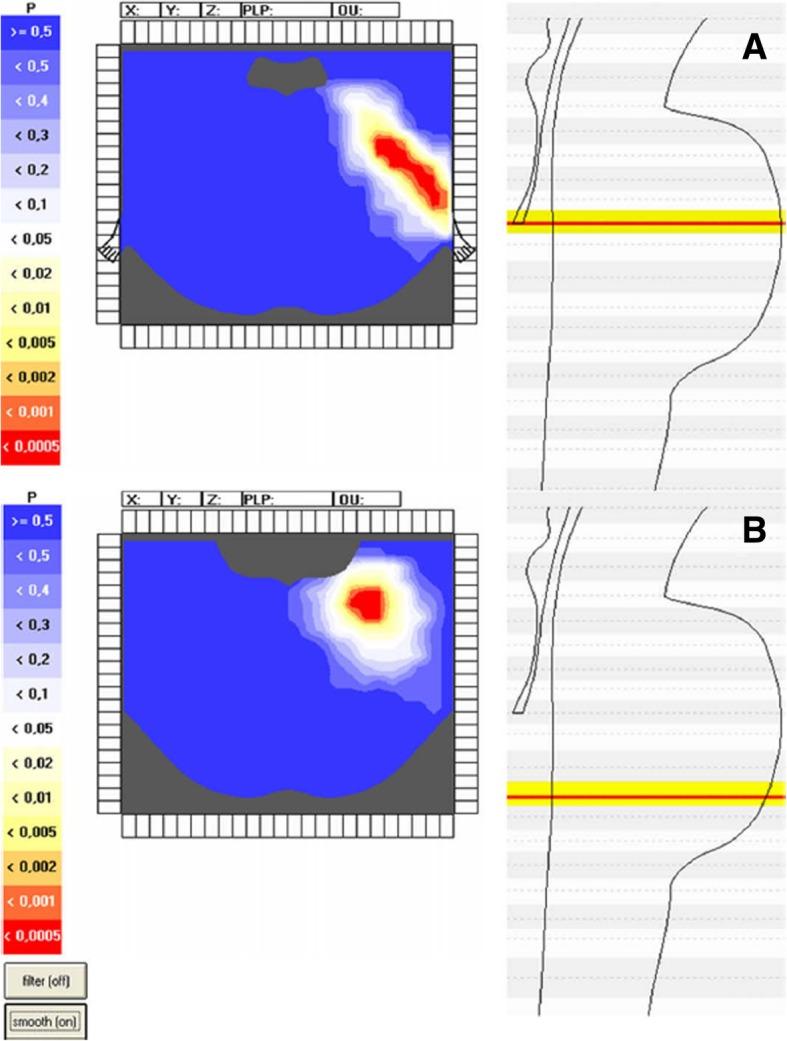
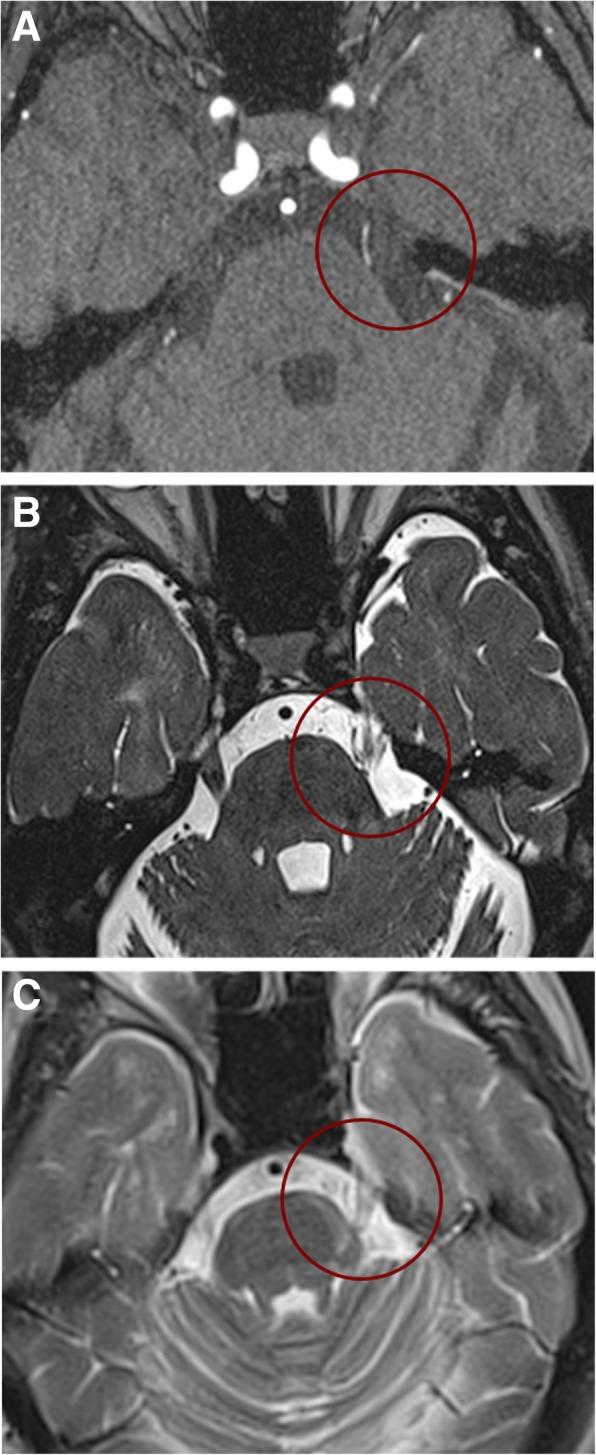
Trigeminal neuralgia secondary to multiple sclerosis manifests with facial paroxysmal pain triggered by typical manoeuvres; neurophysiological investigations and MRI support the diagnosis, providing the definite evidence of trigeminal pathway damage. A dedicated MRI is required to identify pontine demyelinating plaques. In many patients with multiple sclerosis, neuroimaging and surgical evidence suggests that neurovascular compression might act in concert with the pontine plaque through a double-crush mechanism. Although no placebo-controlled trials have been conducted in these patients, according to expert opinion the first-line therapy for trigeminal neuralgia secondary to multiple sclerosis relies on sodium-channel blockers, i.e. carbamazepine and oxcarbazepine. The sedative and motor side effects of these drugs frequently warrant an early consideration for neurosurgery. Surgical procedures include Gasserian ganglion percutaneous techniques, gamma knife radiosurgery and microvascular decompression in the posterior fossa.
CONCLUSIONS
The relatively poor tolerability of the centrally-acting drugs carbamazepine and oxcarbazepine highlights the need to develop new selective and better-tolerated sodium-channel blockers. Prospective studies based on more advanced neuroimaging techniques should focus on how trigeminal anatomical abnormalities may be able to predict the efficacy of microvascular decompression.
背景
三叉神经痛是多发性硬化症患者中最具特征性和最难治疗的神经病理性疼痛之一。本叙述性综述针对多发性硬化症继发三叉神经痛的诊断测试和治疗的现有证据进行了讨论。
方法
我们在 PubMed、EMBASE 和 Cochrane 系统评价数据库中搜索了相关文献,考虑了截至 2018 年 12 月的出版物。
结果
多发性硬化症继发的三叉神经痛表现为面部阵发性疼痛,由典型动作触发;神经生理研究和 MRI 支持诊断,提供三叉神经通路损伤的确切证据。需要专门的 MRI 来识别桥脑脱髓鞘斑块。在许多多发性硬化症患者中,神经影像学和手术证据表明,神经血管压迫可能通过双重挤压机制与桥脑斑块协同作用。尽管这些患者没有进行安慰剂对照试验,但根据专家意见,多发性硬化症继发三叉神经痛的一线治疗依赖于钠通道阻滞剂,即卡马西平和奥卡西平。这些药物的镇静和运动副作用常常需要早期考虑神经外科治疗。手术包括经皮三叉神经节技术、伽玛刀放射外科和后颅窝微血管减压术。
结论
中枢作用药物卡马西平和奥卡西平的耐受性相对较差,这突出表明需要开发新的选择性和更好耐受的钠通道阻滞剂。基于更先进的神经影像学技术的前瞻性研究应重点关注三叉神经解剖异常如何能够预测微血管减压术的疗效。
 Zotero 插件