
唾液外泌体作为癌症生物标志物递送的纳米载体
Salivary Exosomes as Nanocarriers for Cancer Biomarker Delivery.
作者信息
Cheng Jordan, Nonaka Taichiro, Wong David T W
机构信息
Center for Oral/Head and Neck Oncology Research, School of Dentistry, University of California, Los Angeles, 10833 Le Conte Avenue, CHS 73-017, Los Angeles, CA 90095, USA.
Division of Oral Biology and Medicine, School of Dentistry, University of California, Los Angeles, 10833 Le Conte Avenue, CHS 73-017, Los Angeles, CA 90095, USA.
出版信息
Materials (Basel). 2019 Feb 21;12(4):654. doi: 10.3390/ma12040654.
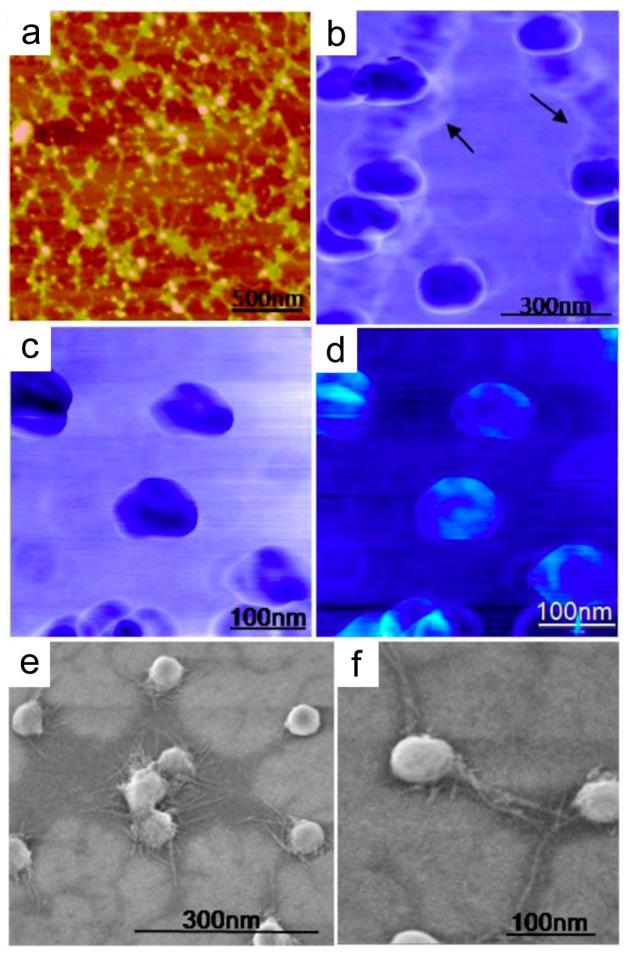
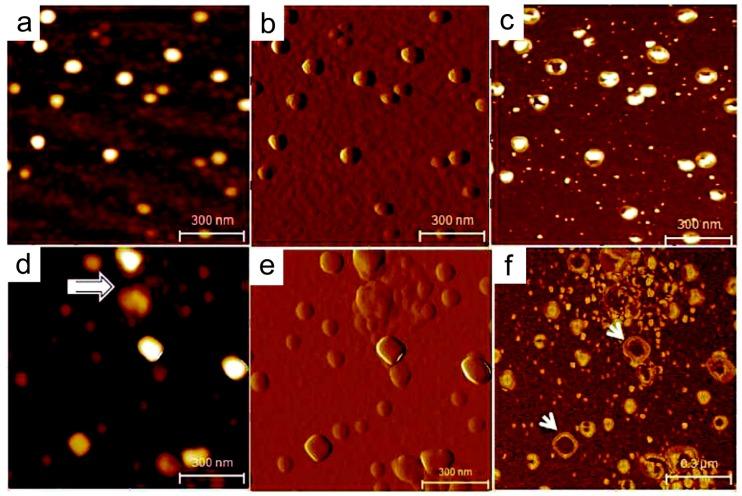
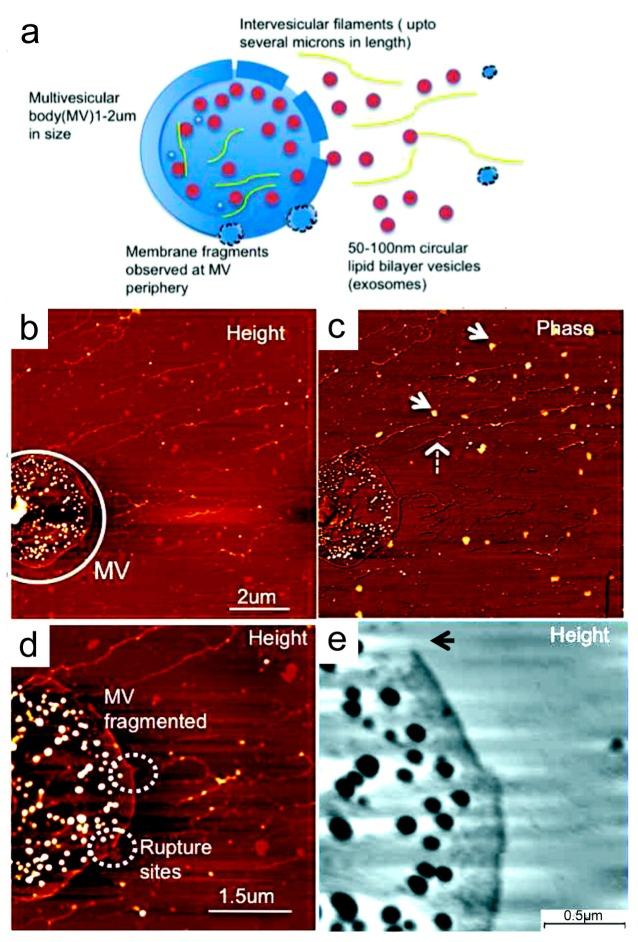
Human saliva is an ideal body fluid for developing non-invasive diagnostics. Saliva contains naturally-occurring nanoparticles with unique structural and biochemical characteristics. The salivary exosome, a nanoscale extracellular vesicle, has been identified as a highly informative nanovesicle with clinically-relevant information. Salivary exosomes have brought forth a pathway and mechanism by which cancer-derived biomarkers can be shuttled through the systemic circulation into the oral cavity. Despite such clinical potential, routine and reliable analyses of exosomes remain challenging due to their small sizes. Characterization of individual exosome nanostructures provides critical data for understanding their pathophysiological condition and diagnostic potential. In this review, we summarize a current array of discovered salivary biomarkers and nanostructural properties of salivary exosomes associated with specific cancers. In addition, we describe a novel electrochemical sensing technology, EFIRM (electric field-induced release and measurement), that advances saliva liquid biopsy, covering the current landscape of point-of-care saliva testing.
人类唾液是开发非侵入性诊断方法的理想体液。唾液中含有具有独特结构和生化特性的天然纳米颗粒。唾液外泌体是一种纳米级细胞外囊泡,已被确定为一种具有临床相关信息的高信息量纳米囊泡。唾液外泌体揭示了一种途径和机制,通过该途径和机制,癌症衍生的生物标志物可以通过体循环进入口腔。尽管具有这样的临床潜力,但由于外泌体尺寸小,对其进行常规和可靠的分析仍然具有挑战性。单个外泌体纳米结构的表征为理解其病理生理状况和诊断潜力提供了关键数据。在这篇综述中,我们总结了当前一系列已发现的唾液生物标志物以及与特定癌症相关的唾液外泌体的纳米结构特性。此外,我们描述了一种新型电化学传感技术——EFIRM(电场诱导释放和测量),该技术推动了唾液液体活检的发展,涵盖了即时唾液检测的当前现状。



 Zotero 插件