
生菜基因库中的代谢物变化:培育更健康的作物品种和食品。
Metabolite variation in the lettuce gene pool: towards healthier crop varieties and food.
机构信息
Centre for Genetic Resources, the Netherlands, Wageningen Plant Research, P.O. Box 16, 6700 AA, Wageningen, The Netherlands.
Bioscience, Wageningen Plant Research, Droevendaalsesteeg 1, 6708 PB, Wageningen, The Netherlands.
出版信息
Metabolomics. 2018 Oct 29;14(11):146. doi: 10.1007/s11306-018-1443-8.
INTRODUCTION
Lettuce (Lactuca sativa L.) is generally not specifically acknowledged for its taste and nutritional value, while its cultivation suffers from limited resistance against several pests and diseases. Such key traits are known to be largely dependent on the ability of varieties to produce specific phytochemicals.
OBJECTIVES
We aimed to identify promising genetic resources for the improvement of phytochemical composition of lettuce varieties.
METHODS
Phytochemical variation was investigated using 150 Lactuca genebank accessions, comprising a core set of the lettuce gene pool, and resulting data were related to available phenotypic information.
RESULTS
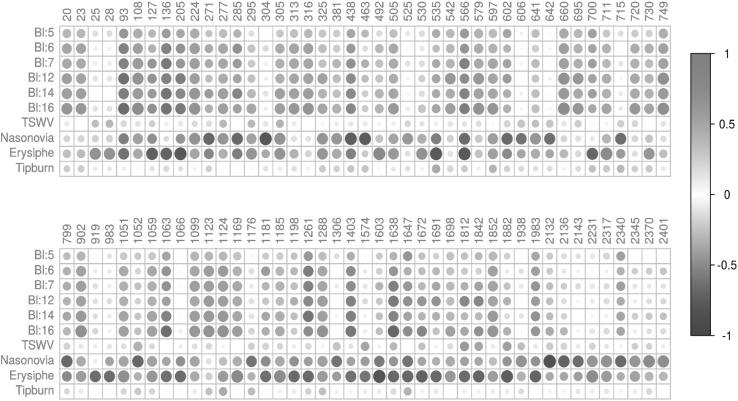
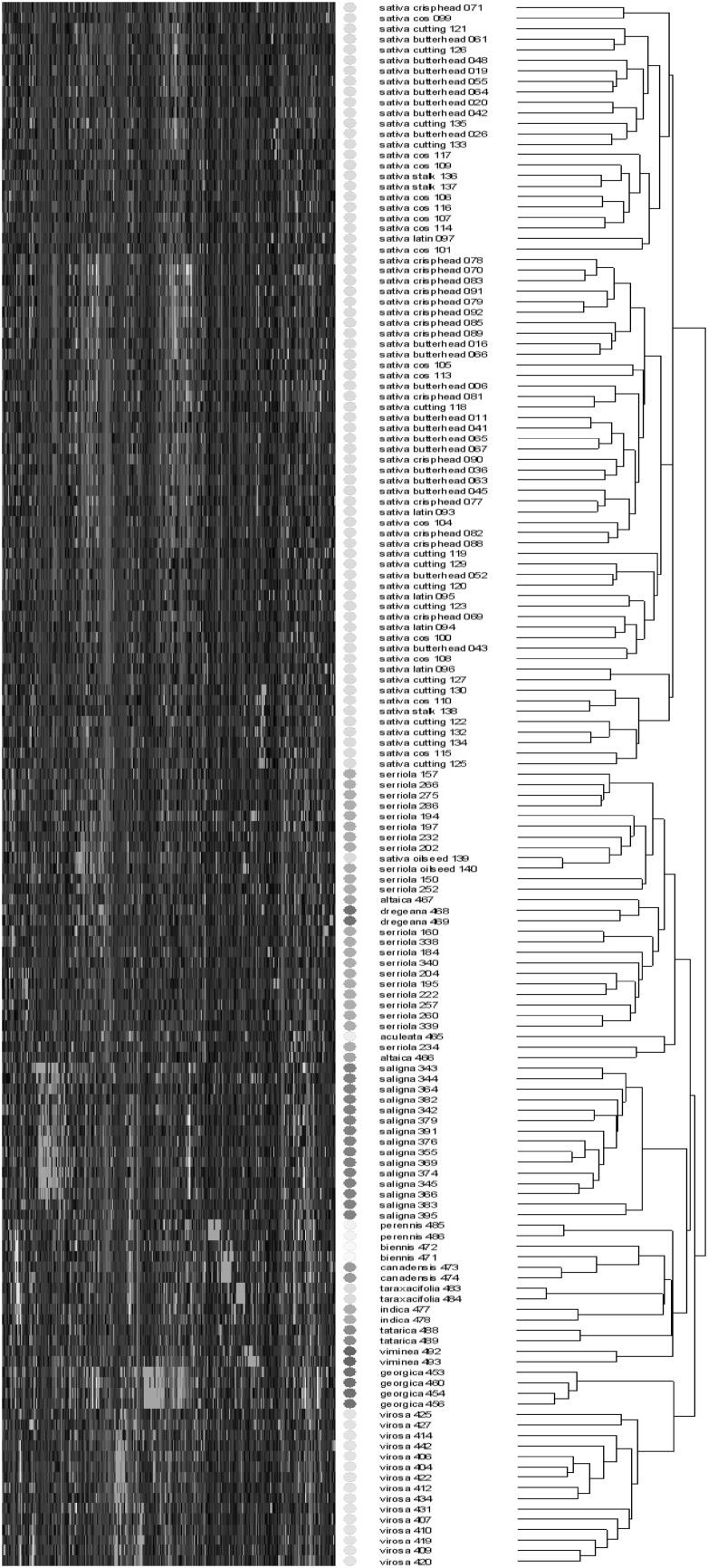
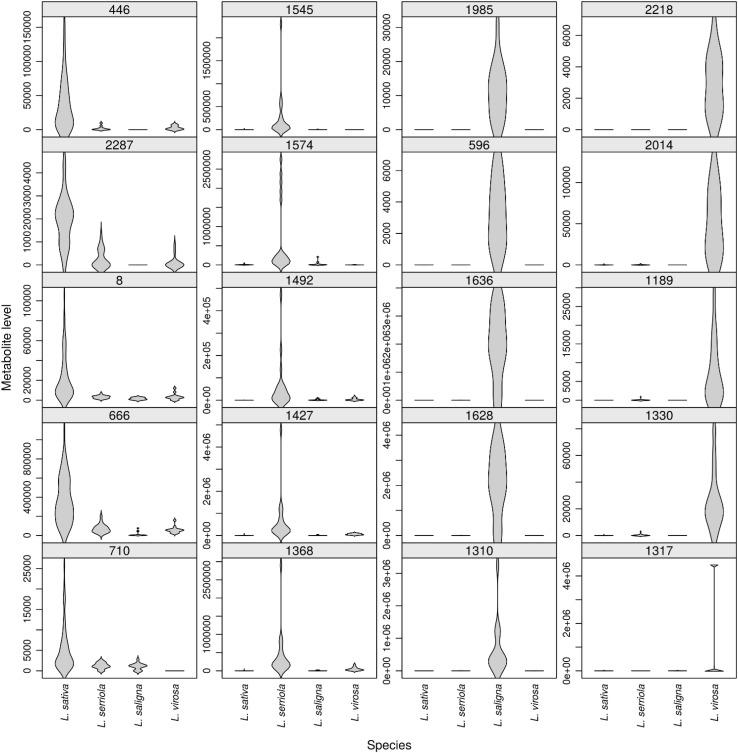
A hierarchical cluster analysis of the variation in relative abundance of 2026 phytochemicals, revealed by untargeted metabolic profiling, strongly resembled the known lettuce gene pool structure, indicating that the observed variation was to a large extent genetically determined. Many phytochemicals appeared species-specific, of which several are generally related to traits that are associated with plant health or nutritional value. For a large number of phytochemicals the relative abundance was either positively or negatively correlated with available phenotypic data on resistances against pests and diseases, indicating their potential role in plant resistance. Particularly the more primitive lettuces and the closely related wild relatives showed high levels of (poly)phenols and vitamin C, thus representing potential genetic resources for improving nutritional traits in modern crop types.
CONCLUSION
Our large-scale analysis of phytochemical variation is unprecedented in lettuce and demonstrated the ample availability of suitable genetic resources for the development of improved lettuce varieties with higher nutritional quality and more sustainable production.
简介
生菜(Lactuca sativa L.)通常因其味道和营养价值而不被特别认可,但其种植受到多种病虫害的抗性有限的限制。这些关键特性主要取决于品种产生特定植物化学物质的能力。
目的
我们旨在确定有希望的遗传资源,以改善生菜品种的植物化学成分。
方法
使用 150 个生菜基因库材料,包括生菜基因库的核心材料,调查植物化学成分的变化,这些材料包含了大量的生菜遗传多样性,并用现有的表型信息对其进行相关分析。
结果
通过非靶向代谢组学分析发现的 2026 种植物化学成分相对丰度的层次聚类分析,强烈类似于已知的生菜基因库结构,表明观察到的变化在很大程度上是由遗传决定的。许多植物化学成分表现出种特异性,其中一些通常与与植物健康或营养价值相关的性状有关。对于大量的植物化学成分,其相对丰度与针对病虫害的抗性的可用表型数据呈正相关或负相关,表明它们在植物抗性中具有潜在作用。特别是较原始的生菜和密切相关的野生近缘种表现出高水平的(多)酚类和维生素 C,因此代表了改善现代作物类型营养特性的潜在遗传资源。
结论
我们对植物化学成分变化的大规模分析在生菜中是前所未有的,证明了有大量合适的遗传资源可用于开发具有更高营养价值和更可持续生产的改良生菜品种。
 Zotero 插件