
了解并克服下一代测序(NGS)方法在常规临床微生物学诊断实验室应用中的陷阱和偏见。
Understanding and overcoming the pitfalls and biases of next-generation sequencing (NGS) methods for use in the routine clinical microbiological diagnostic laboratory.
机构信息
Department of Medical Microbiology and Infectious Diseases, Erasmus University Medical Centre Rotterdam (Erasmus MC), Rotterdam, The Netherlands.
Department of Molecular Biology, Regional Laboratory of Public Health Kennemerland, Haarlem, The Netherlands.
出版信息
Eur J Clin Microbiol Infect Dis. 2019 Jun;38(6):1059-1070. doi: 10.1007/s10096-019-03520-3. Epub 2019 Mar 5.
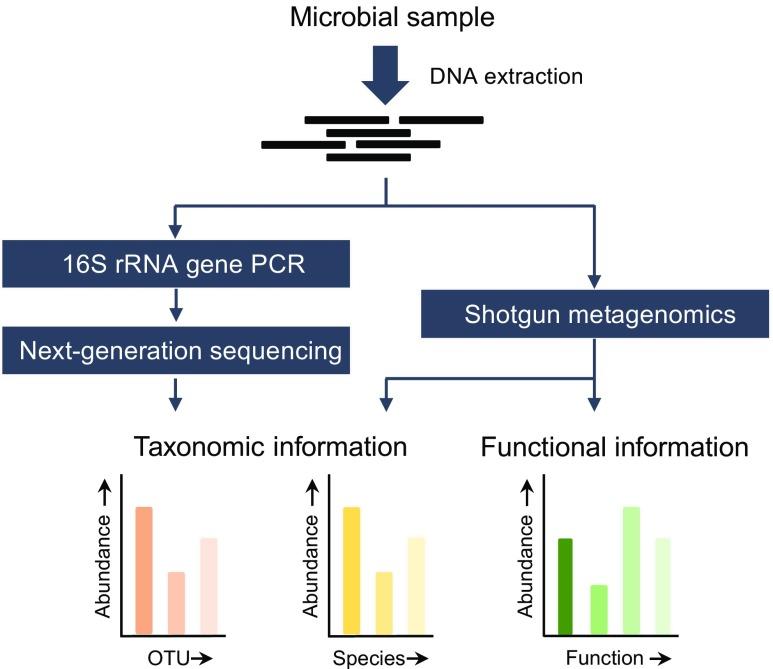
Recent advancements in next-generation sequencing (NGS) have provided the foundation for modern studies into the composition of microbial communities. The use of these NGS methods allows for the detection and identification of ('difficult-to-culture') microorganisms using a culture-independent strategy. In the field of routine clinical diagnostics however, the application of NGS is currently limited to microbial strain typing for epidemiological purposes only, even though the implementation of NGS for microbial community analysis may yield clinically important information. This lack of NGS implementation is due to many different factors, including issues relating to NGS method standardization and result reproducibility. In this review article, the authors provide a general introduction to the most widely used NGS methods currently available (i.e., targeted amplicon sequencing and shotgun metagenomics) and the strengths and weaknesses of each method is discussed. The focus of the publication then shifts toward 16S rRNA gene NGS methods, which are currently the most cost-effective and widely used NGS methods for research purposes, and are therefore more likely to be successfully implemented into routine clinical diagnostics in the short term. In this respect, the experimental pitfalls and biases created at each step of the 16S rRNA gene NGS workflow are explained, as well as their potential solutions. Finally, a novel diagnostic microbiota profiling platform ('MYcrobiota') is introduced, which was developed by the authors by taking into consideration the pitfalls, biases, and solutions explained in this article. The development of the MYcrobiota, and future NGS methodologies, will help pave the way toward the successful implementation of NGS methodologies into routine clinical diagnostics.
近年来,下一代测序(NGS)技术的发展为现代微生物群落组成研究提供了基础。这些 NGS 方法的应用允许使用非培养策略来检测和鉴定(“难以培养”)微生物。然而,在常规临床诊断领域,NGS 的应用目前仅限于流行病学目的的微生物菌株分型,尽管微生物群落分析的 NGS 实施可能会产生临床相关信息。这种 NGS 实施的缺乏是由于许多不同的因素造成的,包括与 NGS 方法标准化和结果重现性相关的问题。在这篇综述文章中,作者对目前可用的最广泛使用的 NGS 方法(即靶向扩增子测序和鸟枪法宏基因组学)进行了一般性介绍,并讨论了每种方法的优缺点。然后,出版物的重点转向 16S rRNA 基因 NGS 方法,目前该方法是最具成本效益和广泛用于研究目的的 NGS 方法,因此在短期内更有可能成功地应用于常规临床诊断。在这方面,解释了 16S rRNA 基因 NGS 工作流程每个步骤中产生的实验陷阱和偏差,以及它们的潜在解决方案。最后,介绍了一种新的诊断微生物组分析平台(“MYcrobiota”),该平台由作者开发,考虑到了本文中解释的陷阱、偏差和解决方案。MYcrobiota 的开发以及未来的 NGS 方法将有助于为 NGS 方法成功应用于常规临床诊断铺平道路。
 Zotero 插件