
组蛋白去乙酰化酶 6 调节人干细胞源性神经元中与突触生物学和神经元分化相关的信号通路。
HDAC6 Modulates Signaling Pathways Relevant to Synaptic Biology and Neuronal Differentiation in Human Stem-Cell-Derived Neurons.
机构信息
Center for Genomic Medicine, Harvard Medical School and Massachusetts General Hospital, 185 Cambridge Street, Boston, MA 02114, USA.
Chemical Biology Program, Broad Institute of Harvard and MIT, Cambridge, MA 02142, USA.
出版信息
Int J Mol Sci. 2019 Mar 31;20(7):1605. doi: 10.3390/ijms20071605.
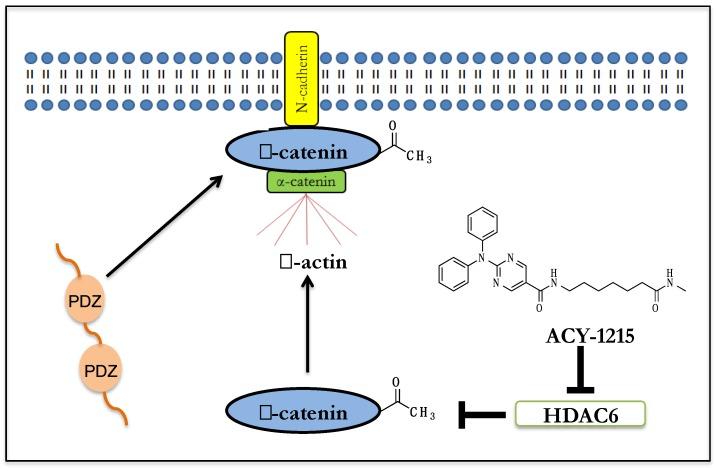
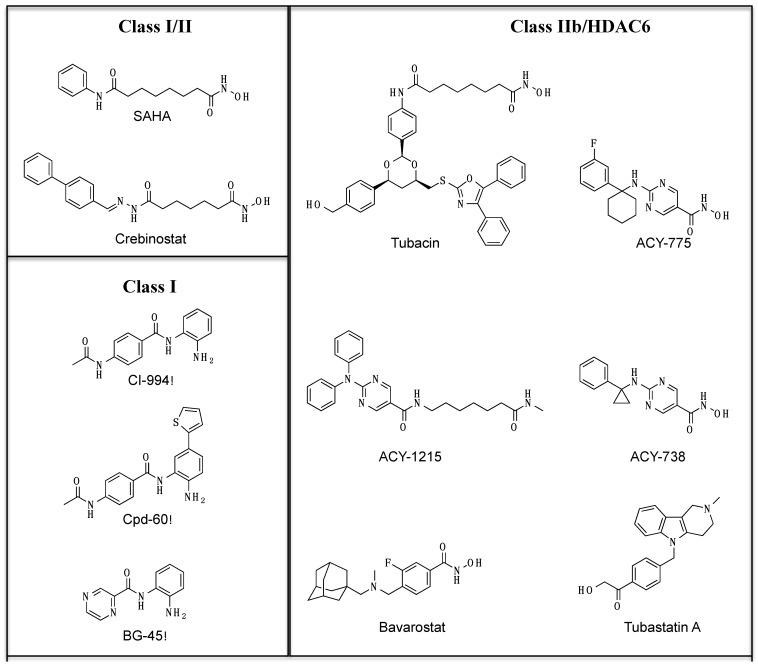
Recent studies show that histone deacetylase 6 (HDAC6) has important roles in the human brain, especially in the context of a number of nervous system disorders. Animal models of neurodevelopmental, neurodegenerative, and neuropsychiatric disorders show that HDAC6 modulates important biological processes relevant to disease biology. Pan-selective histone deacetylase (HDAC) inhibitors had been studied in animal behavioral assays and shown to induce synaptogenesis in rodent neuronal cultures. While most studies of HDACs in the nervous system have focused on class I HDACs located in the nucleus (e.g., HDACs 1,2,3), recent findings in rodent models suggest that the cytoplasmic class IIb HDAC, HDAC6, plays an important role in regulating mood-related behaviors. Human studies suggest a significant role for synaptic dysfunction in the prefrontal cortex (PFC) and hippocampus in depression. Studies of HDAC inhibitors (HDACi) in human neuronal cells show that HDAC6 inhibitors (HDAC6i) increase the acetylation of specific lysine residues in proteins involved in synaptogenesis. This has led to the hypothesis that HDAC6i may modulate synaptic biology not through effects on the acetylation of histones, but by regulating acetylation of non-histone proteins.
最近的研究表明,组蛋白去乙酰化酶 6(HDAC6)在人类大脑中具有重要作用,尤其是在许多神经系统疾病的背景下。神经发育、神经退行性和神经精神疾病的动物模型表明,HDAC6 调节与疾病生物学相关的重要生物学过程。泛选择性组蛋白去乙酰化酶(HDAC)抑制剂已在动物行为测定中进行了研究,并显示在啮齿动物神经元培养物中诱导突触形成。虽然大多数关于神经系统中 HDAC 的研究都集中在位于细胞核中的 I 类 HDAC(例如,HDACs 1、2、3)上,但最近在啮齿动物模型中的发现表明,细胞质 IIb 类 HDAC,HDAC6,在调节与情绪相关的行为方面发挥着重要作用。人类研究表明,突触功能障碍在抑郁症的前额叶皮层(PFC)和海马体中起重要作用。在人类神经元细胞中研究 HDAC 抑制剂(HDACi)表明,HDAC6 抑制剂(HDAC6i)可增加参与突触发生的蛋白质中特定赖氨酸残基的乙酰化。这导致了这样的假设,即 HDAC6i 可能不是通过影响组蛋白的乙酰化来调节突触生物学,而是通过调节非组蛋白蛋白的乙酰化。
 Zotero 插件