
胆碱酯酶抑制剂对患有阿尔茨海默病、血管性痴呆或混合性痴呆的华裔患者认知和行为症状影响的系统评价
Systematic Review of Cholinesterase Inhibitors on Cognition and Behavioral Symptoms in Patients of Chinese Descent with Alzheimer's Disease, Vascular Dementia, or Mixed Dementia.
作者信息
Leung Ka-Chun, Li Victor, Ng Yuey-Zhun, Chan Tsz-Tai, Chang Richard S, Wong Roger Y
机构信息
LKS Faculty of Medicine, University of Hong Kong, Hong Kong, China.
Division of Neurology, Department of Medicine, Queen Mary Hospital, Hong Kong, China.
出版信息
Geriatrics (Basel). 2017 Aug 27;2(3):29. doi: 10.3390/geriatrics2030029.
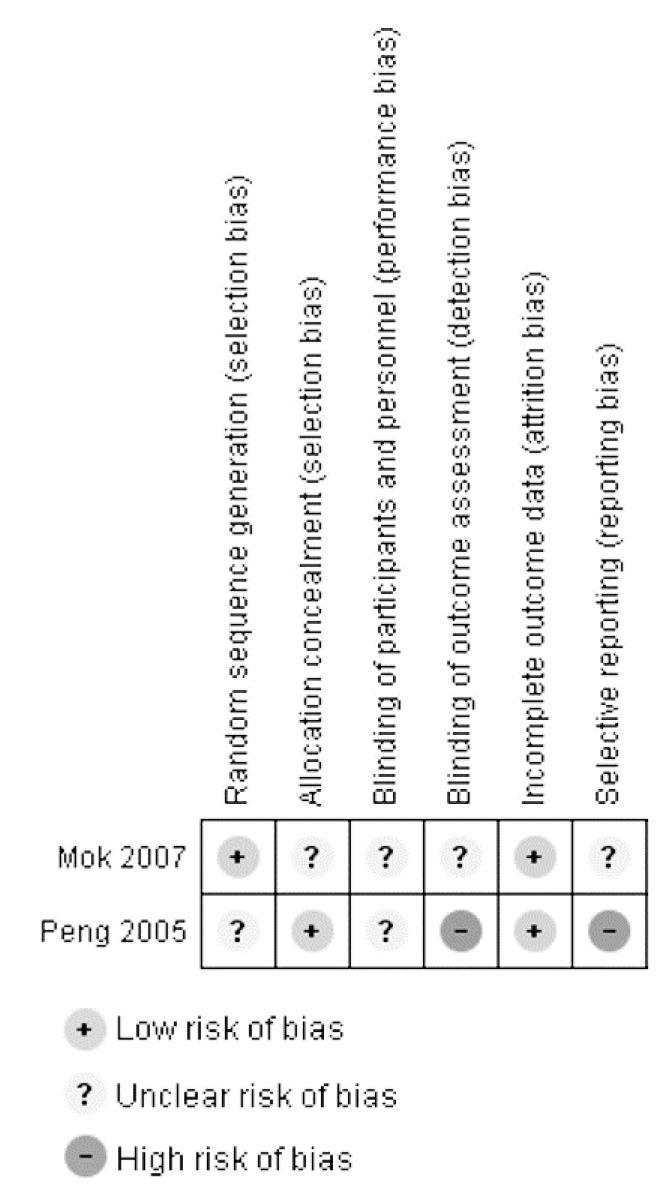
Cholinesterase inhibitors (ChEIs) are the primary pharmacologic treatment for dementia. Their efficacy in patients of Chinese descent is not well described. We reviewed how ChEIs could affect cognition and behavioral and psychological symptoms (BPSD) in Chinese patients with Alzheimer's disease (AD), vascular dementia (VaD), or mixed (AD with vascular component) dementia. MEDLINE, PsycINFO, EMBASE and CINAHL were systematically searched for controlled trials of ChEIs, including donepezil, galantamine, and rivastigmine, for Chinese patients with AD, VaD, or mixed dementia. Outcomes for cognition and BPSD were extracted for discussion. Fifty-four studies were identified. While one larger study found that dementia patients of Chinese descent treated with ChEIs had significantly higher mean Mini-Mental State Examination (MMSE) score, other studies showed no significant difference. Evidence on BPSD after use of ChEIs was also conflicting. ChEIs may be effective in improving cognition among patients of Chinese descent with dementia. Further studies are needed to examine the possible effects of ChEIs on BPSD in Chinese patients with dementia in view of the small number of studies and limitations in their methodologies.
胆碱酯酶抑制剂(ChEIs)是治疗痴呆的主要药物。其在中国裔患者中的疗效尚未得到充分描述。我们回顾了胆碱酯酶抑制剂如何影响患有阿尔茨海默病(AD)、血管性痴呆(VaD)或混合性(伴有血管成分的AD)痴呆的中国患者的认知以及行为和心理症状(BPSD)。我们系统检索了MEDLINE、PsycINFO、EMBASE和CINAHL数据库,以查找针对患有AD、VaD或混合性痴呆的中国患者使用胆碱酯酶抑制剂(包括多奈哌齐、加兰他敏和卡巴拉汀)的对照试验。提取了认知和BPSD的结果进行讨论。共识别出54项研究。虽然一项规模较大的研究发现,接受胆碱酯酶抑制剂治疗的中国裔痴呆患者的简易精神状态检查表(MMSE)平均得分显著更高,但其他研究显示并无显著差异。使用胆碱酯酶抑制剂后关于BPSD的证据也相互矛盾。胆碱酯酶抑制剂可能对改善患有痴呆的中国裔患者的认知有效。鉴于研究数量较少且方法存在局限性,需要进一步研究来探讨胆碱酯酶抑制剂对中国痴呆患者BPSD的可能影响。

 Zotero 插件