
中国当前癌症形势:2018 年全球癌症统计数据带来的是好消息还是坏消息?
Current cancer situation in China: good or bad news from the 2018 Global Cancer Statistics?
机构信息
Department of Cancer Prevention Research Center, State Key Laboratory of Oncology in South China, Collaborative Innovation Center for Cancer Medicine, Sun Yat-Sen University Cancer Center, 651 Dongfeng Road East, Guangzhou, 510060, Guangdong, P. R. China.
Department of Medical Oncology, State Key Laboratory of Oncology in South China, Collaborative Innovation Center for Cancer Medicine, Sun Yat-Sen University Cancer Center, 651 Dongfeng Road East, Guangzhou, 510060, Guangdong, P. R. China.
出版信息
Cancer Commun (Lond). 2019 Apr 29;39(1):22. doi: 10.1186/s40880-019-0368-6.
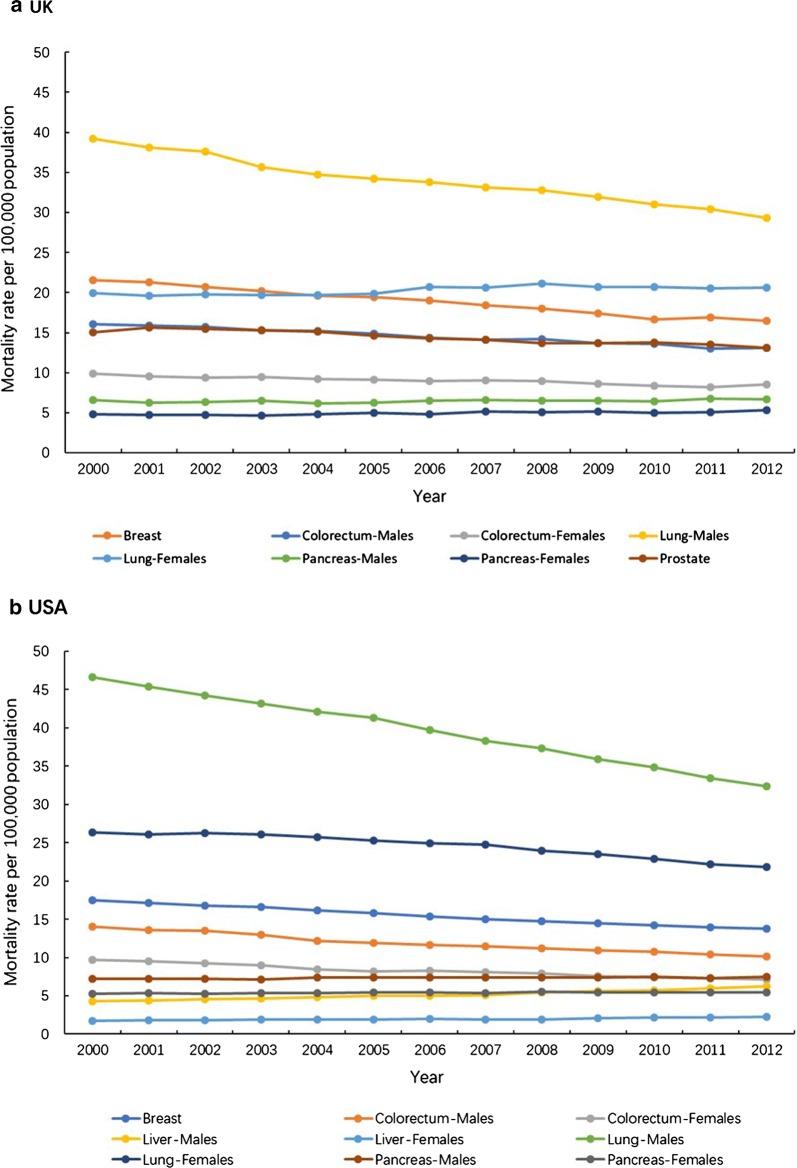
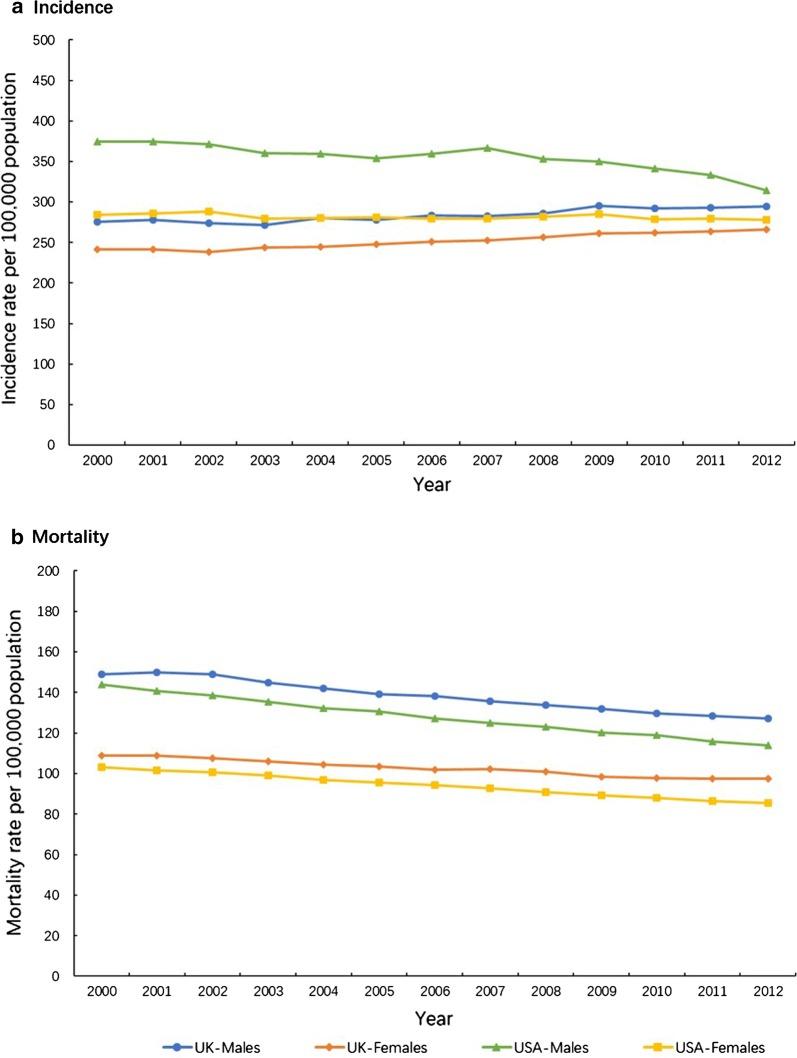
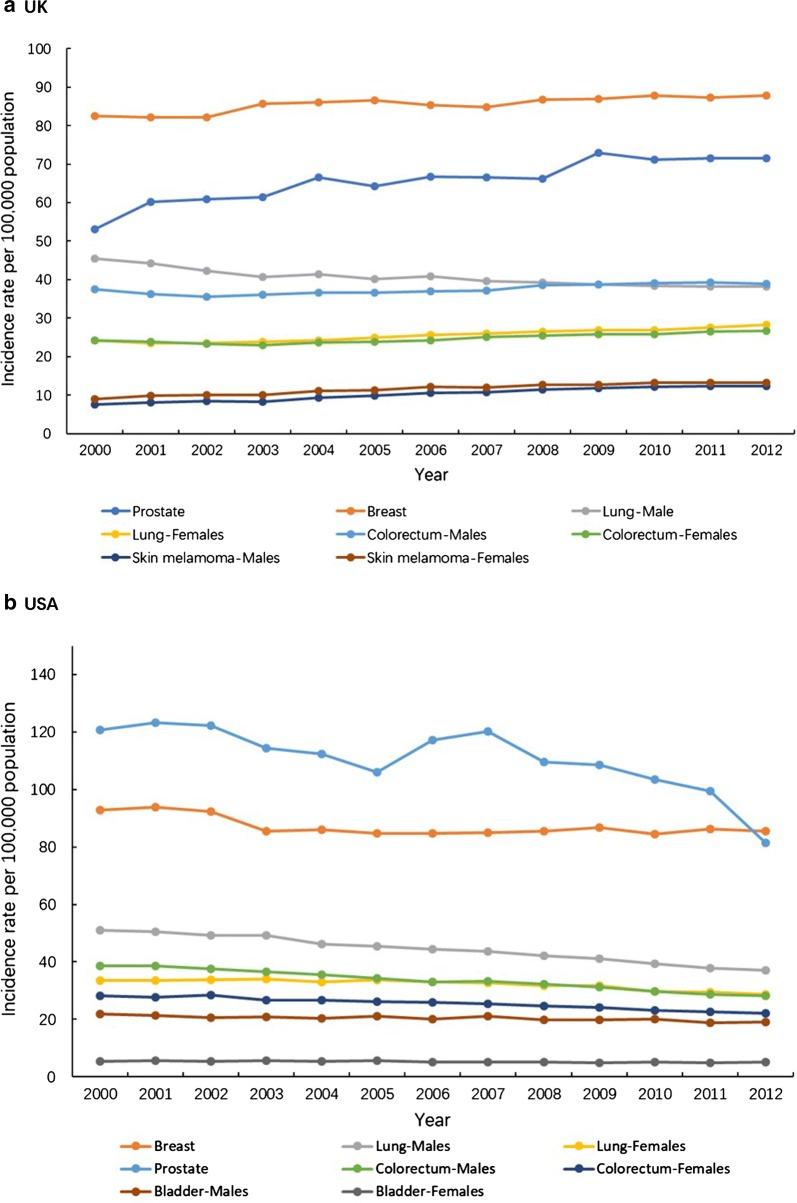
Cancer is the leading cause of death in China and depicting the cancer pattern of China would provide basic knowhows on how to tackle it more effectively. In this study we have reviewed several reports of cancer burden, including the Global cancer statistics 2018 and Cancer statistics in China, 2015, along with the GLOBCAN 2018 online database, to investigate the differences of cancer patterns between China, the United States (USA) and the United Kingdom (UK). An estimated 4.3 million new cancer cases and 2.9 million new cancer deaths occurred in China in 2018. Compared to the USA and UK, China has lower cancer incidence but a 30% and 40% higher cancer mortality than the UK and USA, among which 36.4% of the cancer-related deaths were from the digestive tract cancers (stomach, liver, and esophagus cancer) and have relatively poorer prognoses. In comparison, the digestive cancer deaths only took up ≤ 5% of the total cancer deaths in either USA or UK. Other reasons for the higher mortality in China may be the low rate of early-stage cancers at diagnosis and non-uniformed clinical cancer treatment strategies performed by different regions. China is undergoing the cancer transition stage where the cancer spectrum is changing from developing country to developed country, with a rapidly increase cancer burden of colorectal, prostate, female breast cancers in addition to a high occurrence of infection-related and digestive cancers. The incidence of westernized lifestyle-related cancers in China (i.e. colorectal cancer, prostate, bladder cancer) has risen but the incidence of the digestive cancers has decreased from 2000 to 2011. An estimated 40% of the risk factors can be attributed to environmental and lifestyle factors either in China or other developed countries. Tobacco smoking is the single most important carcinogenic risk factor in China, contributing to ~ 24.5% of cancers in males. Chronic infection is another important preventable cancer contributor which is responsible for ~ 17% of cancers. Comprehensive prevention and control strategies in China should include effective tobacco-control policy, recommendations for healthier lifestyles, along with enlarging the coverage of effective screening, educating, and vaccination programs to better sensitize greater awareness control to the general public.
在中国,癌症是导致死亡的主要原因,描述中国的癌症模式将为更有效地应对癌症提供基本知识。在这项研究中,我们回顾了几份关于癌症负担的报告,包括《2018 年全球癌症统计》和《2015 年中国癌症统计》,以及 GLOBCAN 2018 在线数据库,以调查中国、美国和英国之间癌症模式的差异。2018 年中国估计有 430 万例新癌症病例和 290 万例新癌症死亡病例。与美国和英国相比,中国的癌症发病率较低,但癌症死亡率比英国和美国分别高 30%和 40%,其中 36.4%的癌症相关死亡是由消化道癌症(胃癌、肝癌和食管癌)引起的,且预后相对较差。相比之下,在美国或英国,消化道癌症死亡人数在总癌症死亡人数中占比均≤5%。中国死亡率较高的其他原因可能是诊断时早期癌症的比例较低,以及不同地区临床癌症治疗策略的不统一。中国正处于癌症转型阶段,癌症谱正在从发展中国家向发达国家转变,除了结直肠癌、前列腺癌、乳腺癌的发病率迅速上升外,还存在感染相关和消化道癌症发病率较高的情况。中国与西方化生活方式相关的癌症(即结直肠癌、前列腺癌、膀胱癌)的发病率有所上升,但从 2000 年到 2011 年,消化道癌症的发病率有所下降。在中国或其他发达国家,约 40%的风险因素可归因于环境和生活方式因素。在中国,吸烟是最重要的单一致癌风险因素,导致约 24.5%的男性癌症。慢性感染是另一个重要的可预防癌症因素,约占癌症的 17%。中国的综合防治策略应包括有效的控烟政策、更健康生活方式的建议,以及扩大有效筛查、教育和疫苗接种计划的覆盖范围,以提高公众对癌症的认识和控制意识。
 Zotero 插件