
背根神经节作为神经调节靶点的独特特征。
Unique Characteristics of the Dorsal Root Ganglion as a Target for Neuromodulation.
机构信息
Florida Pain Institute, Melbourne, Florida.
St. Mary's Pain Relief Specialists, Huntington, West Virginia.
出版信息
Pain Med. 2019 Jun 1;20(Suppl 1):S23-S30. doi: 10.1093/pm/pnz012.
OBJECTIVE
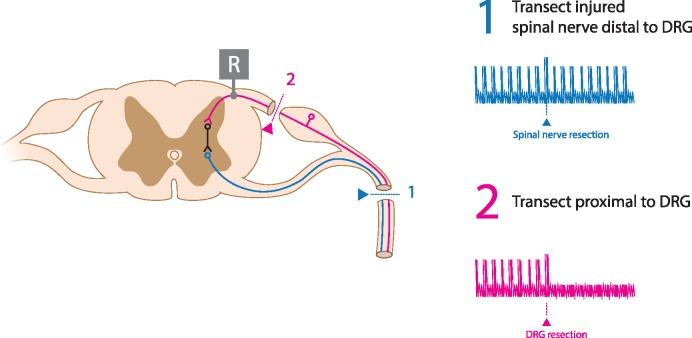
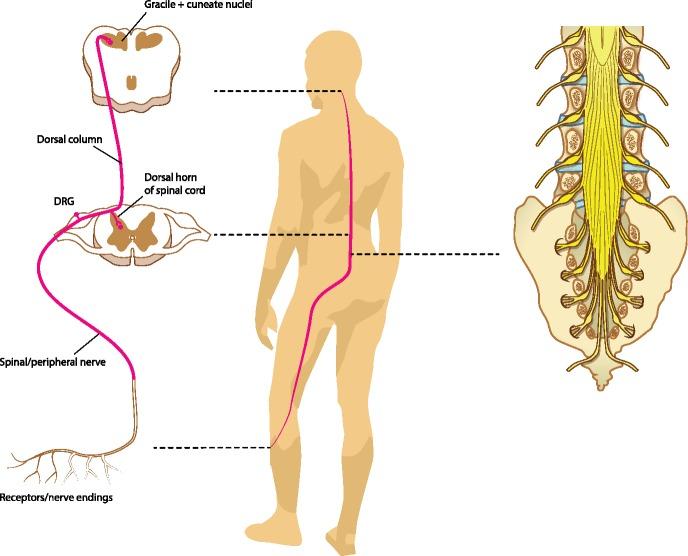
The dorsal root ganglion (DRG) is a novel target for neuromodulation, and DRG stimulation is proving to be a viable option in the treatment of chronic intractable neuropathic pain. Although the overall principle of conventional spinal cord stimulation (SCS) and DRG stimulation-in which an electric field is applied to a neural target with the intent of affecting neural pathways to decrease pain perception-is similar, there are significant differences in the anatomy and physiology of the DRG that make it an ideal target for neuromodulation and may account for the superior outcomes observed in the treatment of certain chronic neuropathic pain states. This review highlights the anatomy of the DRG, its function in maintaining homeostasis and its role in neuropathic pain, and the unique value of DRG as a target in neuromodulation for pain.
METHODS
A narrative literature review was performed.
RESULTS
Overall, the DRG is a critical structure in sensory transduction and modulation, including pain transmission and the maintenance of persistent neuropathic pain states. Unique characteristics including selective somatic organization, specialized membrane characteristics, and accessible and consistent location make the DRG an ideal target for neuromodulation. Because DRG stimulation directly recruits the somata of primary sensory neurons and harnesses the filtering capacity of the pseudounipolar neural architecture, it is differentiated from SCS, peripheral nerve stimulation, and other neuromodulation options.
CONCLUSIONS
There are several advantages to targeting the DRG, including lower energy usage, more focused and posture-independent stimulation, reduced paresthesia, and improved clinical outcomes.
目的
背根神经节(DRG)是神经调节的一个新靶点,DRG 刺激正被证明是治疗慢性难治性神经性疼痛的一种可行选择。虽然传统脊髓刺激(SCS)和 DRG 刺激的总体原理(其中电场被施加到神经靶标,目的是影响神经通路以减少疼痛感知)相似,但 DRG 的解剖结构和生理学存在显著差异,使其成为神经调节的理想靶点,并可能解释在治疗某些慢性神经性疼痛状态时观察到的更好结果。本综述强调了 DRG 的解剖结构、其在维持内稳态中的功能及其在神经性疼痛中的作用,以及 DRG 作为疼痛神经调节靶点的独特价值。
方法
进行了叙述性文献综述。
结果
总体而言,DRG 是感觉转导和调节的关键结构,包括疼痛传递和持续神经性疼痛状态的维持。独特的特征包括选择性躯体组织、专门的膜特性以及可及和一致的位置,使 DRG 成为神经调节的理想靶点。由于 DRG 刺激直接募集初级感觉神经元的体,利用假单极神经结构的过滤能力,因此与 SCS、周围神经刺激和其他神经调节选择不同。
结论
针对 DRG 有几个优点,包括更低的能量使用、更集中和姿势独立的刺激、减少感觉异常和改善临床结果。


 Zotero 插件