
靶向TRPA1钙通道的计算药物重新利用算法作为多发性硬化症的潜在治疗方案
Computational Drug Repurposing Algorithm Targeting TRPA1 Calcium Channel as a Potential Therapeutic Solution for Multiple Sclerosis.
作者信息
Mihai Dragos Paul, Nitulescu George Mihai, Ion George Nicolae Daniel, Ciotu Cosmin Ionut, Chirita Cornel, Negres Simona
机构信息
Faculty of Pharmacy, "Carol Davila" University of Medicine and Pharmacy, Traian Vuia 6, 020956 Bucharest, Romania.
Center for Physiology and Pharmacology, Medical University of Vienna, Schwarzspanierstrasse 17, 1090 Vienna, Austria.
出版信息
Pharmaceutics. 2019 Sep 2;11(9):446. doi: 10.3390/pharmaceutics11090446.
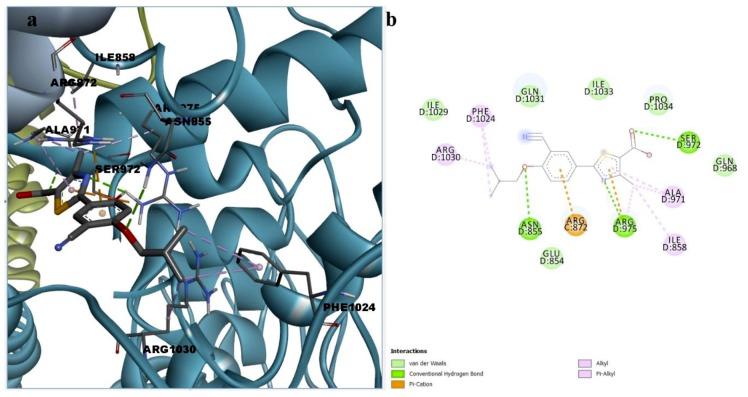
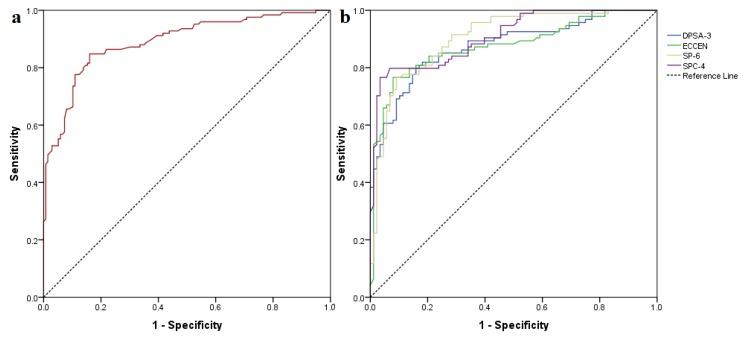
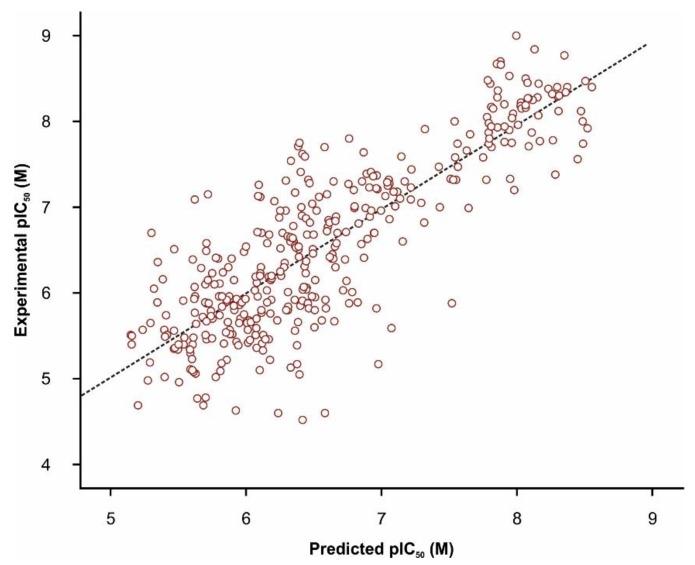
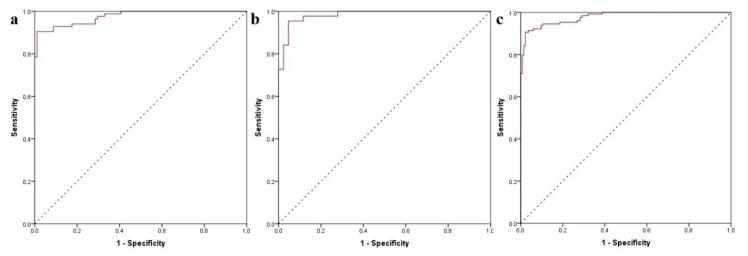
Multiple sclerosis (MS) is a chronic autoimmune disease affecting the central nervous system (CNS) through neurodegeneration and demyelination, leading to physical/cognitive disability and neurological defects. A viable target for treating MS appears to be the Transient Receptor Potential Ankyrin 1 (TRPA1) calcium channel, whose inhibition has been shown to have beneficial effects on neuroglial cells and protect against demyelination. Using computational drug discovery and data mining methods, we performed an in silico screening study combining chemical graph mining, quantitative structure-activity relationship (QSAR) modeling, and molecular docking techniques in a global prediction model in order to identify repurposable drugs as potent TRPA1 antagonists that may serve as potential treatments for MS patients. After screening the DrugBank database with the combined generated algorithm, 903 repurposable structures were selected, with 97 displaying satisfactory inhibition probabilities and pharmacokinetics. Among the top 10 most probable inhibitors of TRPA1 with good blood brain barrier (BBB) permeability, desvenlafaxine, paliperidone, and febuxostat emerged as the most promising repurposable agents for treating MS. Molecular docking studies indicated that desvenlafaxine, paliperidone, and febuxostat are likely to induce allosteric TRPA1 channel inhibition. Future in vitro and in vivo studies are needed to confirm the biological activity of the selected hit molecules.
多发性硬化症(MS)是一种慢性自身免疫性疾病,通过神经退行性变和脱髓鞘影响中枢神经系统(CNS),导致身体/认知残疾和神经缺陷。治疗MS的一个可行靶点似乎是瞬时受体电位锚蛋白1(TRPA1)钙通道,其抑制作用已被证明对神经胶质细胞有有益影响,并能防止脱髓鞘。我们使用计算药物发现和数据挖掘方法,在一个全局预测模型中结合化学图谱挖掘、定量构效关系(QSAR)建模和分子对接技术进行了计算机模拟筛选研究,以确定可重新利用的药物作为有效的TRPA1拮抗剂,可能为MS患者提供潜在治疗。在用组合生成算法筛选DrugBank数据库后,选择了903个可重新利用的结构,其中97个显示出令人满意的抑制概率和药代动力学。在具有良好血脑屏障(BBB)通透性的TRPA1最可能的10种抑制剂中,度文拉法辛、帕利哌酮和非布索坦成为治疗MS最有前景的可重新利用药物。分子对接研究表明,度文拉法辛、帕利哌酮和非布索坦可能诱导TRPA1通道变构抑制。需要进一步的体外和体内研究来证实所选命中分子的生物活性。





 Zotero 插件