
用于肺结核的贝达喹啉吸入性干粉:体外物理化学特性、抗菌活性及安全性研究
Inhalable Dry Powder of Bedaquiline for Pulmonary Tuberculosis: In Vitro Physicochemical Characterization, Antimicrobial Activity and Safety Studies.
作者信息
Momin Mohammad A M, Rangnekar Bhamini, Sinha Shubhra, Cheung Chen-Yi, Cook Gregory M, Das Shyamal C
机构信息
School of Pharmacy, University of Otago, Dunedin 9054, New Zealand.
Department of Pharmaceutics, School of Pharmacy, Virginia Commonwealth University, Richmond, VA 23298-0533, USA.
出版信息
Pharmaceutics. 2019 Oct 1;11(10):502. doi: 10.3390/pharmaceutics11100502.
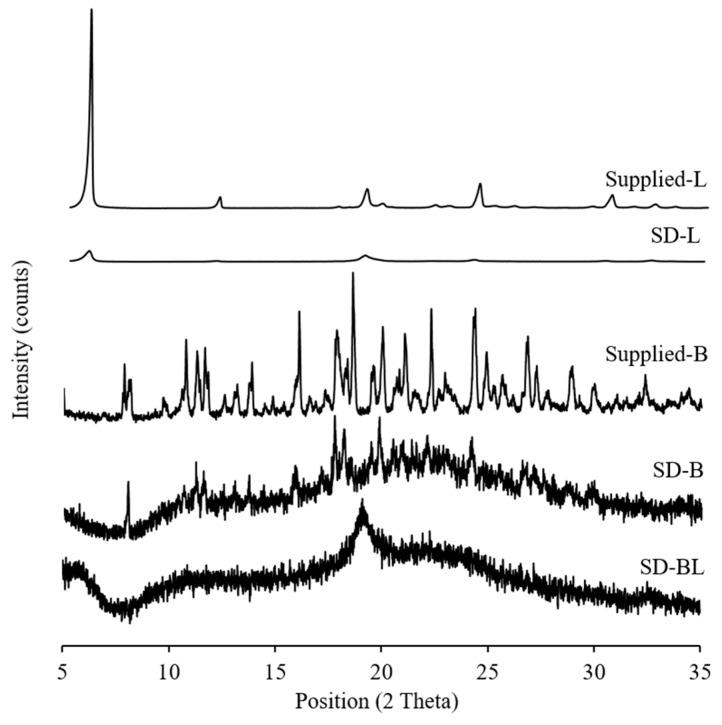
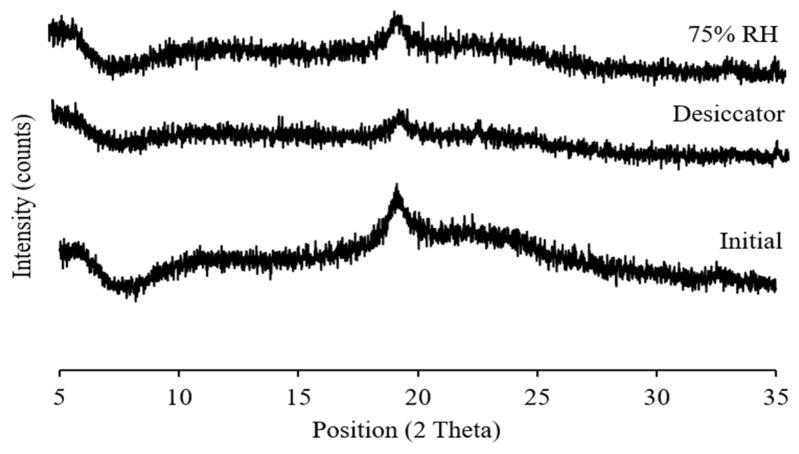
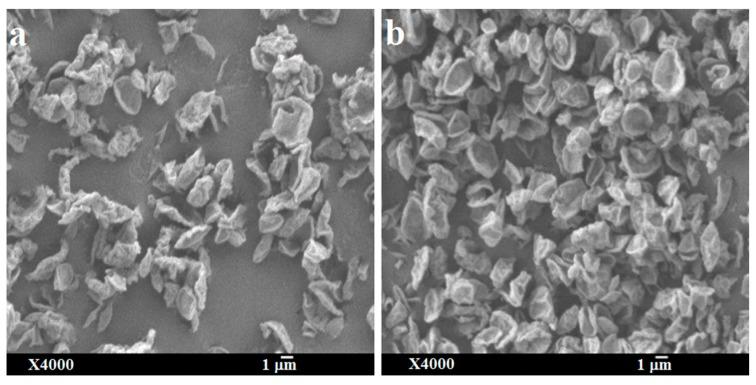
Bedaquiline is a newly developed anti-tuberculosis drug, conditionally approved by the United States Food and Drug Administration (USFDA) for treating drug-resistant tuberculosis in adults. Oral delivery of bedaquiline causes severe side effects such as increased hepatic aminotransferase levels and cardiac arrhythmias (prolongation of QT-interval). This study aimed to develop inhalable dry powder particles of bedaquiline with high aerosolization efficiency to reduce the side-effects of oral bedaquiline. Bedaquiline (with or without l-leucine) powders were prepared using a Buchi Mini Spray-dryer. The powders were characterized for physicochemical properties and for their in vitro aerosolization efficiency using a next-generation impactor (NGI). The formulation with maximum aerosolization efficiency was investigated for physicochemical and aerosolization stability after one-month storage at 20 ± 2 °C/30 ± 2% relative humidity (RH) and 25 ± 2 °C/75% RH in an open Petri dish. The cytotoxicity of the powders on A549 and Calu-3 cell-lines was evaluated using the 3-(4,5-dimethylthiazol-2-yl)-2,5-diphenyltetrazolium bromide (MTT) assay. The powders were also evaluated for antimicrobial activity against The aerodynamic diameter of the l-leucine-containing powder was 2.4 µm, and the powder was amorphous in nature. The aerosolization efficiency (fine-particle fraction) of l-leucine-containing powder (fine-particle fraction (FPF): 74.4%) was higher than the bedaquiline-only powder (FPF: 31.3%). l-leucine containing powder particles were plate-shaped with rough surfaces, but the bedaquiline-only powder was spherical and smooth. The optimized powder was stable at both storage conditions during one-month storage and non-toxic (up to 50 µg/mL) to the respiratory cell-lines. Bedaquiline powders were effective against and had a minimal inhibitory concentration (MIC) value of 0.1 µg/mL. Improved aerosolization may help to combat pulmonary tuberculosis by potentially reducing the side-effects of oral bedaquiline. Further research is required to understand the safety of the optimized inhalable powder in animal models.
贝达喹啉是一种新开发的抗结核药物,已获得美国食品药品监督管理局(USFDA)有条件批准,用于治疗成人耐药结核病。口服贝达喹啉会引起严重的副作用,如肝转氨酶水平升高和心律失常(QT间期延长)。本研究旨在开发具有高气溶胶化效率的可吸入贝达喹啉干粉颗粒,以减少口服贝达喹啉的副作用。使用Buchi迷你喷雾干燥机制备了贝达喹啉(含或不含L-亮氨酸)粉末。使用下一代撞击器(NGI)对粉末的物理化学性质及其体外气溶胶化效率进行了表征。对气溶胶化效率最高的制剂在20±2°C/30±2%相对湿度(RH)和25±2°C/75%RH条件下于开放培养皿中储存一个月后的物理化学和气溶胶化稳定性进行了研究。使用3-(4,5-二甲基噻唑-2-基)-2,5-二苯基四氮唑溴盐(MTT)法评估了粉末对A549和Calu-3细胞系的细胞毒性。还评估了粉末对的抗菌活性。含L-亮氨酸粉末的空气动力学直径为2.4µm,该粉末本质上为无定形。含L-亮氨酸粉末的气溶胶化效率(细颗粒分数)(细颗粒分数(FPF):74.4%)高于仅含贝达喹啉的粉末(FPF:31.3%)。含L-亮氨酸的粉末颗粒为板状且表面粗糙,但仅含贝达喹啉的粉末为球形且光滑。优化后的粉末在两种储存条件下储存一个月期间均稳定,且对呼吸道细胞系无毒(高达50µg/mL)。贝达喹啉粉末对有效,最小抑菌浓度(MIC)值为0.1µg/mL。改善气溶胶化可能有助于通过潜在降低口服贝达喹啉的副作用来对抗肺结核。需要进一步研究以了解优化后的可吸入粉末在动物模型中的安全性。




 Zotero 插件