
种系基因组编辑的社会和伦理影响:如何保障人权?
Societal and Ethical Impacts of Germline Genome Editing: How Can We Secure Human Rights?
机构信息
UCSF-UCB Joint Medical Program, School of Public Health, Affiliate Innovative Genomics Institute, University of California, Berkeley, Berkeley, California.
School of Public Health, Innovative Genomics Institute, University of California, Berkeley, Berkeley, California.
出版信息
CRISPR J. 2019 Oct;2(5):293-298. doi: 10.1089/crispr.2019.0042.
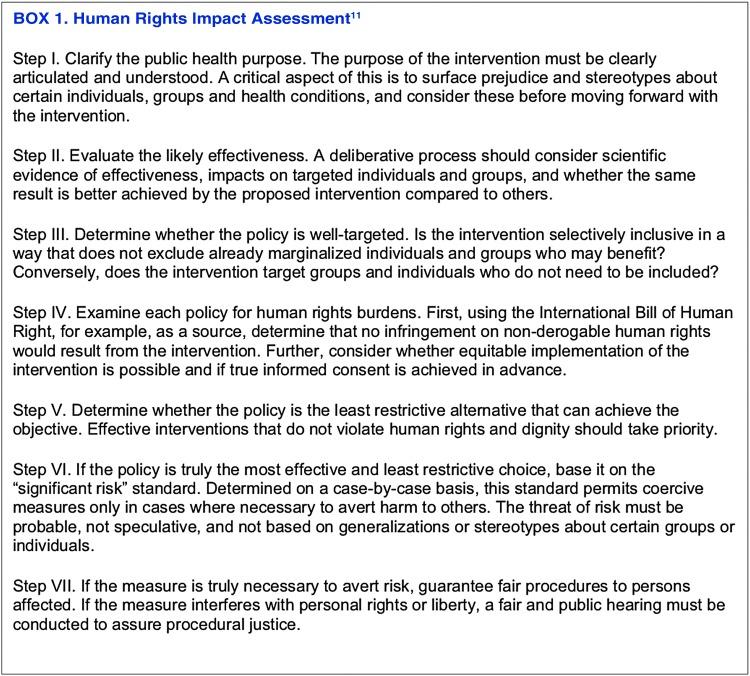
Genome editing has opened up the possibility of heritable alteration of the human germline. The potential of this powerful tool has spurred a call for establishing robust regulatory frameworks to outline permissible uses of genome editing and to map a rational and ethical course. In response, major national scientific bodies and international organizations have convened and released comprehensive reports outlining recommendations for ethical regulatory frameworks. Significantly, these include an emphasis on public participation and the development of principles to guide future applications of genome editing. While essential, public input and principles are not sufficient to ensure ethical uses of this technology. We propose an approach that relies not only on agreed-upon principles and a democratic process but requires a Human Rights Impact Assessment to evaluate the potential burdens that such biomedical interventions may place on human rights.
基因组编辑技术开启了人类生殖系遗传修饰的可能性。这一强大工具的潜力引发了建立健全的监管框架的呼吁,以概述基因组编辑的可允许用途,并规划合理和符合伦理的发展道路。有鉴于此,主要的国家科学机构和国际组织已经召集并发布了全面的报告,概述了关于伦理监管框架的建议。重要的是,这些报告包括强调公众参与和制定指导未来基因组编辑应用的原则。虽然公众的意见和原则是必不可少的,但不足以确保这项技术的使用符合伦理。我们提出了一种不仅依赖于既定原则和民主程序,而且需要进行人权影响评估的方法,以评估此类生物医学干预可能对人权造成的潜在负担。
 Zotero 插件