
军事爆破员中爆炸暴露的急性和慢性分子特征及相关症状。
Acute and Chronic Molecular Signatures and Associated Symptoms of Blast Exposure in Military Breachers.
机构信息
Nash Family Department of Neuroscience, Icahn School of Medicine at Mount Sinai, New York, New York, USA.
Medical Epigenetics, James J. Peters VA Medical Center, Bronx, New York, USA.
出版信息
J Neurotrauma. 2020 May 15;37(10):1221-1232. doi: 10.1089/neu.2019.6742. Epub 2019 Dec 12.
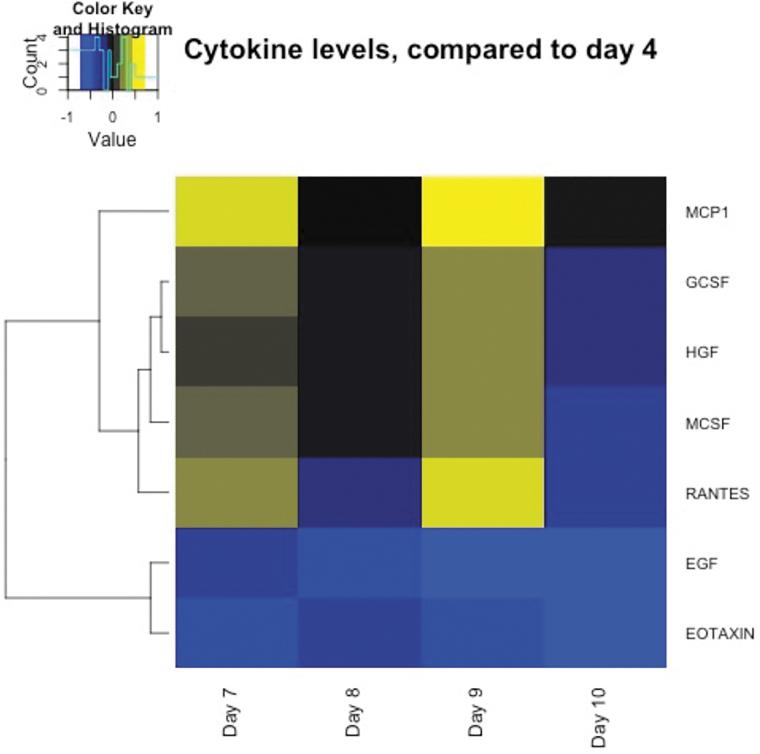
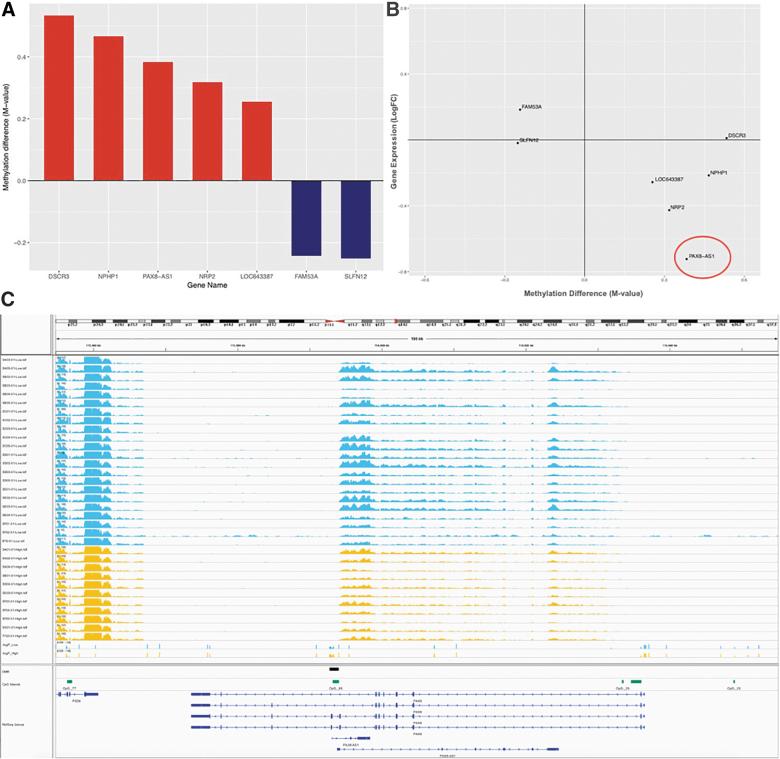
Injuries from exposure to explosions rose dramatically during the Iraq and Afghanistan wars, which motivated investigations of blast-related neurotrauma and operational breaching. In this study, military "breachers" were exposed to controlled, low-level blast during a 10-day explosive breaching course. Using an omics approach, we assessed epigenetic, transcriptional, and inflammatory profile changes in blood from operational breaching trainees, with varying levels of lifetime blast exposure, along with daily self-reported symptoms (with tinnitus, headaches, and sleep disturbances as the most frequently reported). Although acute exposure to blast did not confer epigenetic changes, specifically in DNA methylation, differentially methylated regions (DMRs) with coordinated gene expression changes associated with lifetime cumulative blast exposures were identified. The accumulative effect of blast showed increased methylation of PAX8 antisense transcript with coordinated repression of gene expression, which has been associated with sleep disturbance. DNA methylation analyses conducted in conjunction with reported symptoms of tinnitus in the low versus high blast incidents groups identified DMRS in KCNE1 and CYP2E1 genes. KCNE1 and CYP2E1 showed the expected inverse correlation between DNA methylation and gene expression, which have been previously implicated in noise-related hearing loss. Although no significant transcriptional changes were observed in samples obtained at the onset of the training course relative to chronic cumulative blast, we identified a large number of transcriptional perturbations acutely pre- versus post-blast exposure. Acutely, 67 robustly differentially expressed genes (fold change ≥1.5), including UFC1 and YOD1 ubiquitin-related proteins, were identified. Inflammatory analyses of cytokines and chemokines revealed dysregulation of MCP-1, GCSF, HGF, MCSF, and RANTES acutely after blast exposure. These data show the importance of an omics approach, revealing that transcriptional and inflammatory biomarkers capture acute low-level blast overpressure exposure, whereas DNA methylation marks encapsulate chronic long-term symptoms.
在伊拉克和阿富汗战争期间,爆炸造成的伤害急剧增加,这促使人们对爆炸相关的神经创伤和作战突破进行了调查。在这项研究中,军事“突破手”在为期 10 天的爆炸突破课程中暴露于受控的低水平爆炸中。我们采用组学方法,评估了具有不同终生爆炸暴露水平的作战突破训练人员的血液中的表观遗传、转录和炎症特征变化,以及日常自我报告的症状(耳鸣、头痛和睡眠障碍是最常报告的症状)。尽管急性暴露于爆炸并未导致表观遗传变化,特别是在 DNA 甲基化方面,但与终生累积爆炸暴露相关的具有协调基因表达变化的差异甲基化区域(DMR)被识别出来。爆炸的累积效应表现为 PAX8 反义转录物的甲基化增加,同时协调基因表达受到抑制,这与睡眠障碍有关。在低爆炸与高爆炸事件组中,与报告的耳鸣症状一起进行的 DNA 甲基化分析确定了 KCNE1 和 CYP2E1 基因中的 DMRS。KCNE1 和 CYP2E1 显示出 DNA 甲基化与基因表达之间的预期反向相关,这与噪声相关的听力损失有关。虽然相对于慢性累积爆炸,在培训课程开始时获得的样本中没有观察到明显的转录变化,但我们在爆炸暴露前与后急性检测到大量转录扰动。急性暴露时,有 67 个表达显著差异的基因(倍数变化≥1.5),包括 UFC1 和 YOD1 泛素相关蛋白,被识别出来。细胞因子和趋化因子的炎症分析显示,MCP-1、GCSF、HGF、MCSF 和 RANTES 在爆炸暴露后急性失调。这些数据表明了组学方法的重要性,表明转录和炎症生物标志物可以捕捉到急性低水平爆炸超压暴露,而 DNA 甲基化标记则包含慢性长期症状。



 Zotero 插件