
肌痛性脑脊髓炎/慢性疲劳综合征中自然杀伤细胞特征和细胞毒性功能的系统评价。
A systematic review of natural killer cells profile and cytotoxic function in myalgic encephalomyelitis/chronic fatigue syndrome.
机构信息
National Centre for Neuroimmunology and Emerging Diseases, Menzies Health Institute, Griffith University, Gold Coast, Australia.
School of Medical Science, Griffith University, Gold Coast, Australia.
出版信息
Syst Rev. 2019 Nov 14;8(1):279. doi: 10.1186/s13643-019-1202-6.
BACKGROUND
Compromised natural killer (NK) cell cytotoxic function is a well-documented and consistent feature of myalgic encephalomyelitis/chronic fatigue syndrome (ME/CFS). Other outcomes evaluated in NK cells of ME/CFS patients, however, remain equivocal. The aim of this study was to conduct a systematic review of the literature regarding NK cell phenotype, receptor expression, cytokine production and cytotoxicity in ME/CFS patients and determine the appropriateness as a model for ME/CFS.
METHODS
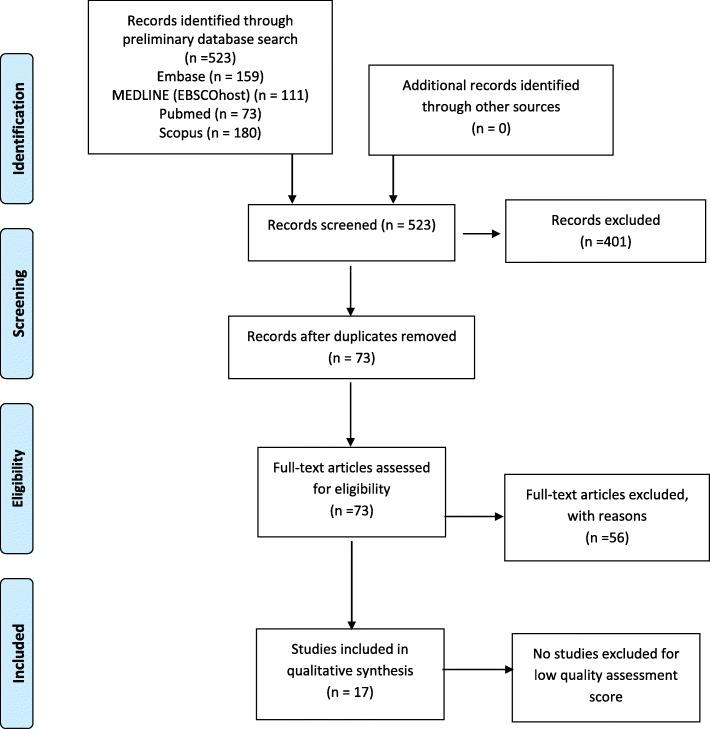
Medline (EBSCOHost), Scopus, EMBASE and PubMed databases were systematically searched to source relevant papers published between 1994 and March 2018. This review included studies examining NK cells' features in ME/CFS patients compared with HC following administration of specific inclusion and exclusion criteria. Secondary outcomes included genetic analysis in isolated NK cells or quality of life assessment. Quality assessment was completed using the Downs and Black checklist in addition to The Joanna Briggs Institute checklist.
RESULTS
Seventeen eligible publications were included in this review. All studies were observational case control studies. Of these, 11 investigated NK cell cytotoxicity, 14 investigated NK cell phenotype and receptor profiles, three examined NK cell cytokine production, six investigated NK cell lytic protein levels and four investigated NK cell degranulation. Impaired NK cell cytotoxicity remained the most consistent immunological report across all publications. Other outcomes investigated differed between studies.
CONCLUSION
A consistent finding among all papers included in this review was impaired NK cell cytotoxicity, suggesting that it is a reliable and appropriate cellular model for continued research in ME/CFS patients. Aberrations in NK cell lytic protein levels were also reported. Although additional research is recommended, current research provides a foundation for subsequent investigations. It is possible that NK cell abnormalities can be used to characterise a subset of ME/CFS due to the heterogeneity of both the illness itself and findings between studies investigating specific features of NK function.
背景
自然杀伤 (NK) 细胞的细胞毒性功能受损是肌痛性脑脊髓炎/慢性疲劳综合征 (ME/CFS) 的一个有充分记录和一致的特征。然而,其他在 ME/CFS 患者 NK 细胞中评估的结果仍然存在争议。本研究的目的是对有关 ME/CFS 患者 NK 细胞表型、受体表达、细胞因子产生和细胞毒性的文献进行系统评价,并确定其作为 ME/CFS 模型的适宜性。
方法
系统检索了 Medline(EBSCOHost)、Scopus、EMBASE 和 PubMed 数据库,以获取 1994 年至 2018 年 3 月期间发表的相关论文。本综述包括研究 ME/CFS 患者与 HC 之间 NK 细胞特征的比较,同时还纳入了特定的纳入和排除标准。次要结果包括在分离的 NK 细胞中进行的遗传分析或生活质量评估。质量评估除了使用 Downs 和 Black 清单外,还使用了 Joanna Briggs 研究所清单。
结果
本综述共纳入了 17 项符合条件的出版物。所有研究均为观察性病例对照研究。其中 11 项研究调查了 NK 细胞的细胞毒性,14 项研究调查了 NK 细胞表型和受体谱,3 项研究调查了 NK 细胞细胞因子产生,6 项研究调查了 NK 细胞裂解蛋白水平,4 项研究调查了 NK 细胞脱颗粒。所有纳入研究中,NK 细胞细胞毒性受损仍然是最一致的免疫学报告。其他研究结果也因研究而异。
结论
本综述中所有纳入研究的一个一致发现是 NK 细胞细胞毒性受损,这表明它是 ME/CFS 患者持续研究的可靠和适当的细胞模型。裂解蛋白水平的异常也有报道。尽管建议进行更多的研究,但目前的研究为后续研究提供了基础。由于疾病本身和研究 NK 功能特定特征的研究之间的发现存在异质性,因此 NK 细胞异常可能用于表征 ME/CFS 的一个亚组。
 Zotero 插件