
人类血浆蛋白质组谱在整个生命周期中的波动变化。
Undulating changes in human plasma proteome profiles across the lifespan.
机构信息
Department of Neurology and Neurological Sciences, Stanford University, Stanford, CA, USA.
Wu Tsai Neurosciences Institute, Stanford University, Stanford, CA, USA.
出版信息
Nat Med. 2019 Dec;25(12):1843-1850. doi: 10.1038/s41591-019-0673-2. Epub 2019 Dec 5.
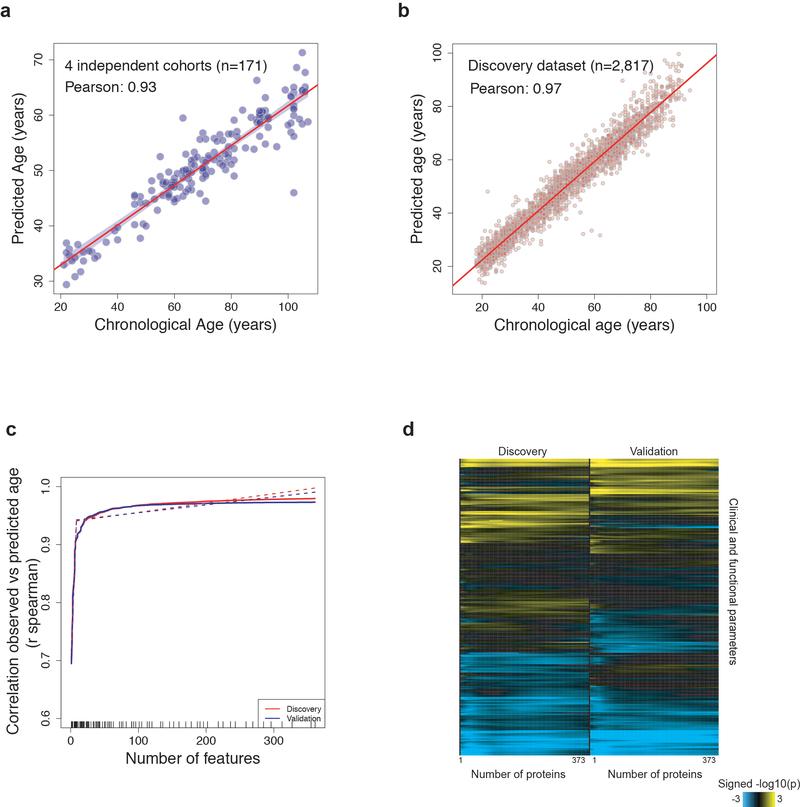
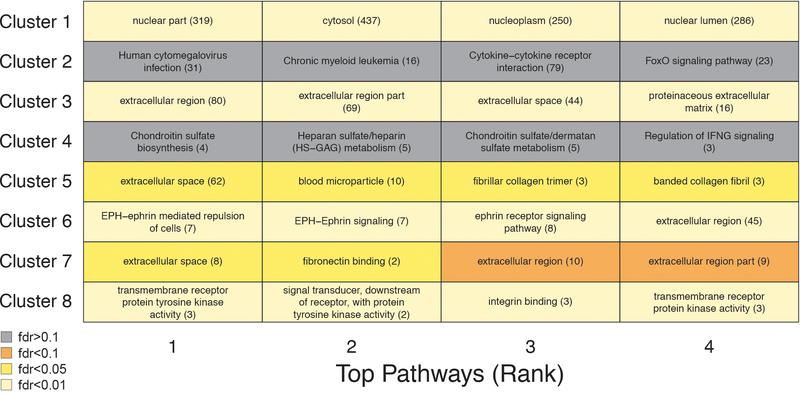
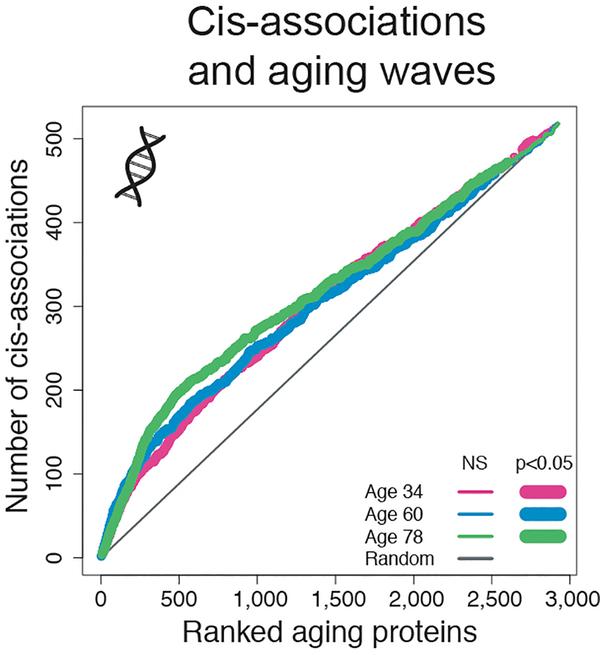
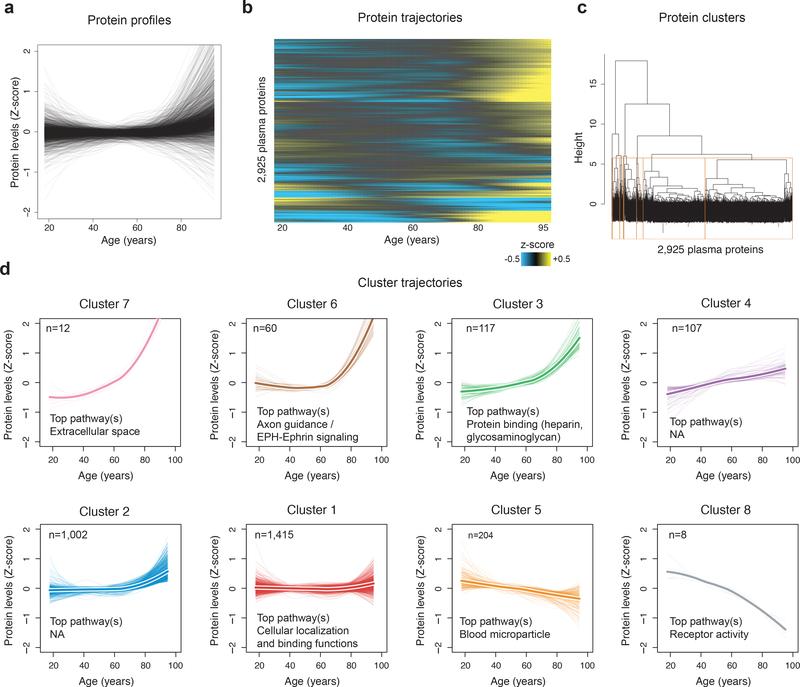
Aging is a predominant risk factor for several chronic diseases that limit healthspan. Mechanisms of aging are thus increasingly recognized as potential therapeutic targets. Blood from young mice reverses aspects of aging and disease across multiple tissues, which supports a hypothesis that age-related molecular changes in blood could provide new insights into age-related disease biology. We measured 2,925 plasma proteins from 4,263 young adults to nonagenarians (18-95 years old) and developed a new bioinformatics approach that uncovered marked non-linear alterations in the human plasma proteome with age. Waves of changes in the proteome in the fourth, seventh and eighth decades of life reflected distinct biological pathways and revealed differential associations with the genome and proteome of age-related diseases and phenotypic traits. This new approach to the study of aging led to the identification of unexpected signatures and pathways that might offer potential targets for age-related diseases.
衰老是多种限制健康寿命的慢性疾病的主要危险因素。因此,衰老机制越来越被认为是潜在的治疗靶点。来自年轻小鼠的血液可以逆转多个组织的衰老和疾病,这支持了这样一种假设,即血液中与年龄相关的分子变化可以为与年龄相关的疾病生物学提供新的见解。我们测量了来自 18-95 岁的 4263 名年轻人和 90 岁以上老人的 2925 种血浆蛋白,并开发了一种新的生物信息学方法,揭示了人类血浆蛋白质组随年龄增长的显著非线性变化。在生命的第四个、第七个和第八个十年中,蛋白质组的变化浪潮反映了不同的生物学途径,并揭示了与与年龄相关的疾病和表型特征的基因组和蛋白质组的不同关联。这种研究衰老的新方法导致了对可能为与年龄相关的疾病提供潜在靶点的意外特征和途径的识别。







 Zotero 插件