
实验性改变疟疾传播媒介按蚊,斯蒂芬斯氏按蚊。
Experimental population modification of the malaria vector mosquito, Anopheles stephensi.
机构信息
Department of Microbiology & Molecular Genetics, University of California, Irvine, California, United States of America.
Biophysics Graduate Group, University of California, Berkeley, California, United States of America.
出版信息
PLoS Genet. 2019 Dec 19;15(12):e1008440. doi: 10.1371/journal.pgen.1008440. eCollection 2019 Dec.
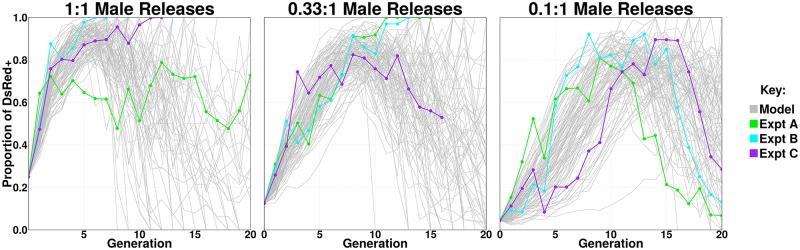
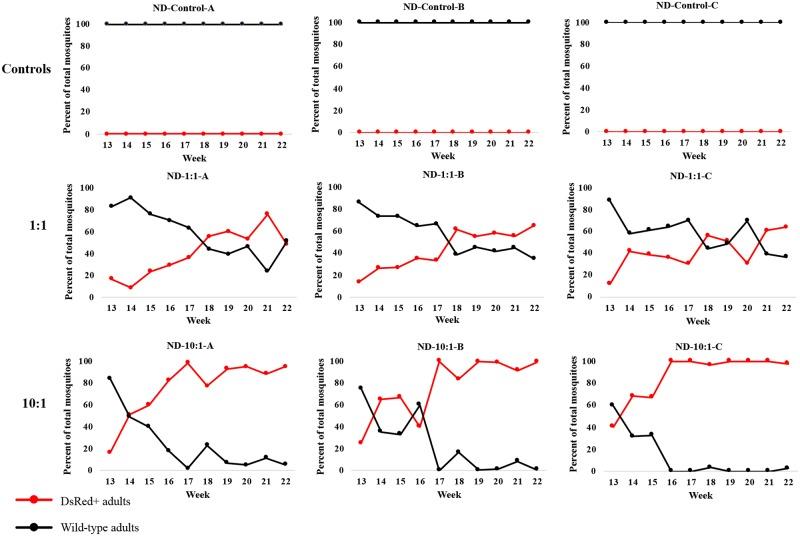
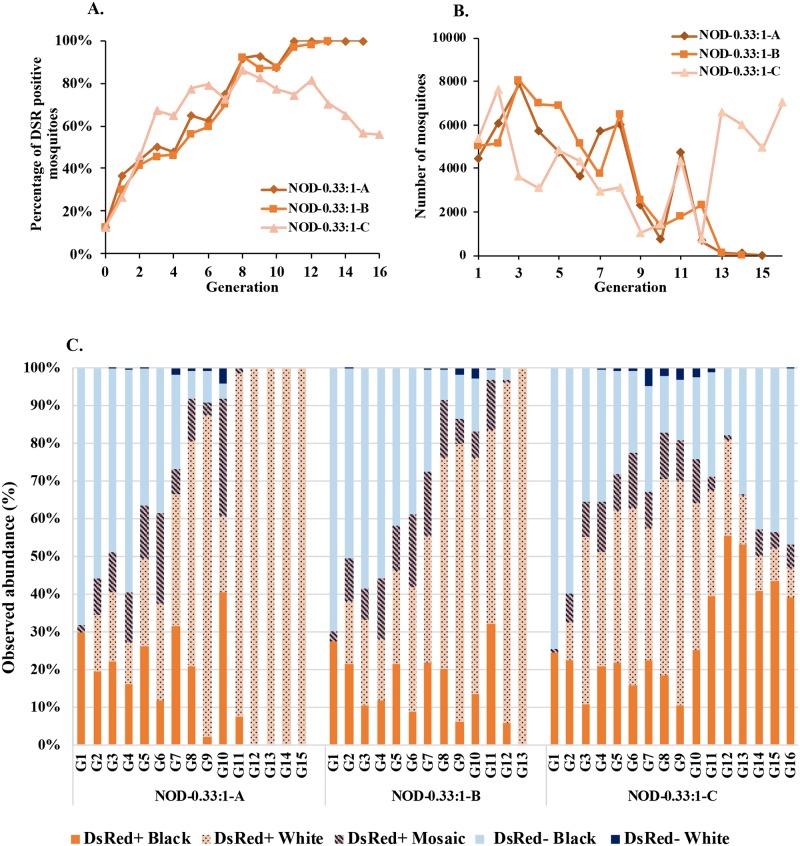
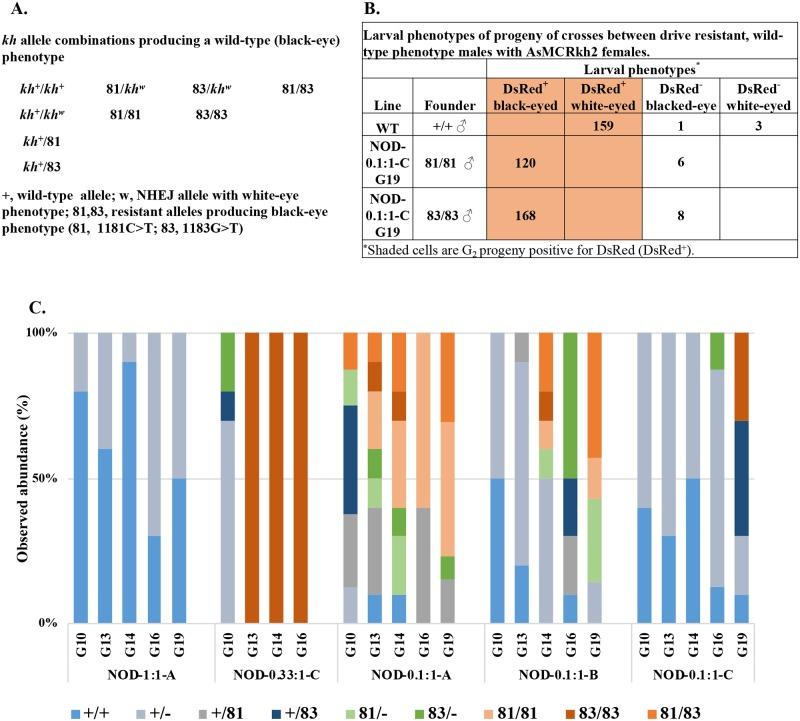
Small laboratory cage trials of non-drive and gene-drive strains of the Asian malaria vector mosquito, Anopheles stephensi, were used to investigate release ratios and other strain properties for their impact on transgene spread during simulated population modification. We evaluated the effects of transgenes on survival, male contributions to next-generation populations, female reproductive success and the impact of accumulation of gene drive-resistant genomic target sites resulting from nonhomologous end-joining (NHEJ) mutagenesis during Cas9, guide RNA-mediated cleavage. Experiments with a non-drive, autosomally-linked malaria-resistance gene cassette showed 'full introduction' (100% of the insects have at least one copy of the transgene) within 8 weeks (≤ 3 generations) following weekly releases of 10:1 transgenic:wild-type males in an overlapping generation trial design. Male release ratios of 1:1 resulted in cages where mosquitoes with at least one copy of the transgene fluctuated around 50%. In comparison, two of three cages in which the malaria-resistance genes were linked to a gene-drive system in an overlapping generation, single 1:1 release reached full introduction in 6-8 generations with a third cage at ~80% within the same time. Release ratios of 0.1:1 failed to establish the transgenes. A non-overlapping generation, single-release trial of the same gene-drive strain resulted in two of three cages reaching 100% introduction within 6-12 generations following a 1:1 transgenic:wild-type male release. Two of three cages with 0.33:1 transgenic:wild-type male single releases achieved full introduction in 13-16 generations. All populations exhibiting full introduction went extinct within three generations due to a significant load on females having disruptions of both copies of the target gene, kynurenine hydroxylase. While repeated releases of high-ratio (10:1) non-drive constructs could achieve full introduction, results from the 1:1 release ratios across all experimental designs favor the use of gene drive, both for efficiency and anticipated cost of the control programs.
我们使用非驱动和基因驱动的亚洲疟蚊(Anopheles stephensi)实验室小笼子试验来研究释放比例和其他菌株特性,以评估它们对模拟种群修饰过程中转基因传播的影响。我们评估了转基因对生存、雄性对下一代种群的贡献、雌性生殖成功以及 Cas9、向导 RNA 介导切割导致的非同源末端连接(NHEJ)诱变过程中基因驱动抗性基因组靶标位点积累的影响。非驱动、常染色体连锁疟疾抗性基因盒的实验显示,在重叠代试验设计中,每周释放 10:1 的转基因:野生型雄性,8 周(≤3 代)内即可实现“完全引入”(至少有一个转基因的昆虫占 100%)。雄性释放比例为 1:1 导致笼子里至少有一个转基因的蚊子波动在 50%左右。相比之下,在重叠代、单次 1:1 释放中,三种笼子中有两种连接到基因驱动系统的疟疾抗性基因在 6-8 代内达到完全引入,第三种在相同时间内达到约 80%。释放比例为 0.1:1 未能建立转基因。在非重叠代、单次释放试验中,相同基因驱动菌株的两个笼子在 6-12 代内,通过 1:1 的转基因:野生型雄性释放达到 100%引入。三个笼子中有两个在 13-16 代内,以 0.33:1 的转基因:野生型雄性单次释放实现了完全引入。所有表现出完全引入的种群在三代内由于雌性中目标基因(犬尿氨酸羟化酶)的两个拷贝都受到破坏而灭绝。虽然重复释放高比例(10:1)的非驱动结构可以实现完全引入,但所有实验设计中 1:1 释放比例的结果都有利于基因驱动的使用,既考虑到效率,也考虑到控制计划的预期成本。



 Zotero 插件