
雄性减数分裂中常染色质同源性介导的性染色体配对
Sex Chromosome Pairing Mediated by Euchromatic Homology in Male Meiosis.
作者信息
Hylton Christopher A, Hansen Katie, Bourgeois Andrew, Tomkiel Dean John E
机构信息
Department of Biology, University of North Carolina, Greensboro, North Carolina 27402
Department of Biology, University of North Carolina, Greensboro, North Carolina 27402.
出版信息
Genetics. 2020 Mar;214(3):605-616. doi: 10.1534/genetics.119.302936. Epub 2020 Jan 8.
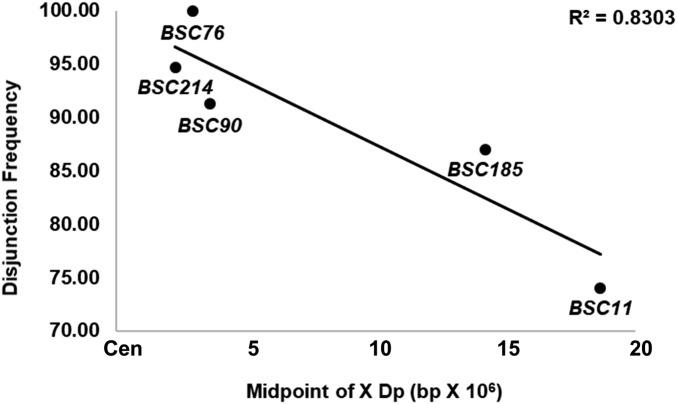
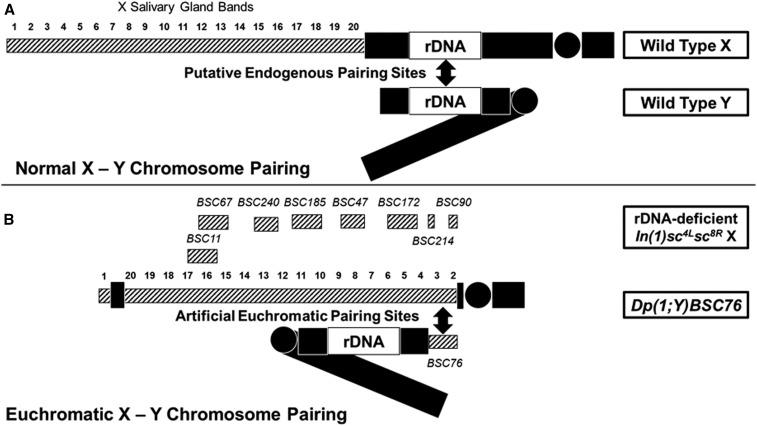
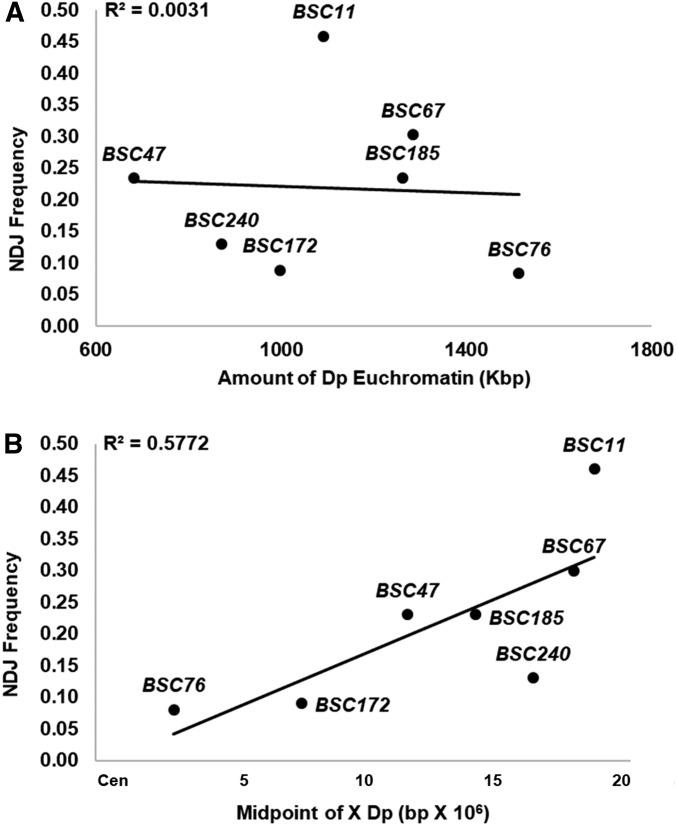
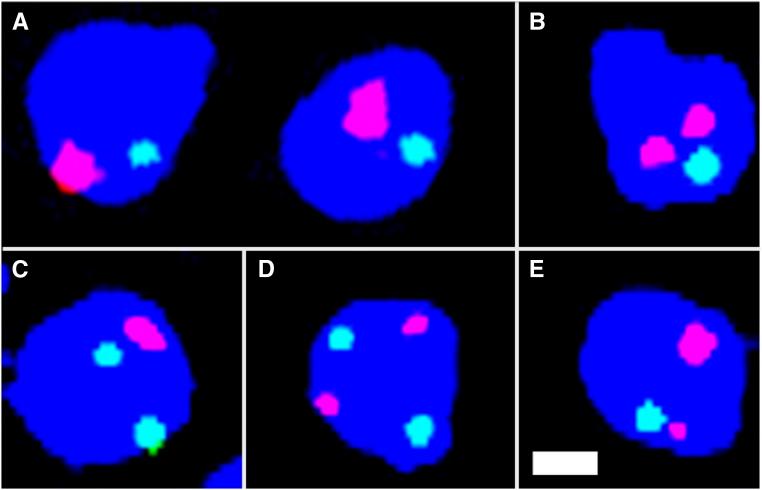
Diploid germline cells must undergo two consecutive meiotic divisions before differentiating as haploid sex cells. During meiosis I, homologs pair and remain conjoined until segregation at anaphase. spermatocytes are unique in that the canonical events of meiosis I including synaptonemal complex formation, double-strand DNA breaks, and chiasmata are absent. Sex chromosomes pair at intergenic spacer sequences within the ribosomal DNA (rDNA). Autosomes pair at numerous euchromatic homologies, but not at heterochromatin, suggesting that pairing may be limited to specific sequences. However, previous work generated from genetic segregation assays or observations of late prophase I/prometaphase I chromosome associations fail to differentiate pairing from maintenance of pairing (conjunction). Here, we separately examined the capability of X euchromatin to pair and conjoin using an rDNA-deficient X and a series of chromosomes. Genetic assays showed that duplicated X euchromatin can substitute for endogenous rDNA pairing sites. Segregation was not proportional to homology length, and pairing could be mapped to nonoverlapping sequences within a single Using fluorescence hybridization to early prophase I spermatocytes, we showed that pairing occurred with high fidelity at all homologies tested. Pairing was unaffected by the presence of X rDNA, nor could it be explained by rDNA magnification. By comparing genetic and cytological data, we determined that centromere proximal pairings were best at segregation. Segregation was dependent on the conjunction protein Stromalin in Meiosis, while the autosomal-specific Teflon was dispensable. Overall, our results suggest that pairing may occur at all homologies, but there may be sequence or positional requirements for conjunction.
二倍体生殖系细胞在分化为单倍体性细胞之前必须经历连续两次减数分裂。在减数分裂I期间,同源染色体配对并保持连接,直到后期分离。精母细胞的独特之处在于,减数分裂I的典型事件,包括联会复合体形成、双链DNA断裂和交叉,均不存在。性染色体在核糖体DNA(rDNA)内的基因间隔序列处配对。常染色体在众多常染色质同源区域配对,但不在异染色质区域配对,这表明配对可能限于特定序列。然而,先前从遗传分离分析或前期I/前中期I染色体关联观察中得出的研究未能区分配对与配对维持(连接)。在这里,我们使用一个缺乏rDNA的X染色体和一系列染色体分别研究了X常染色质配对和连接的能力。遗传分析表明,复制的X常染色质可以替代内源性rDNA配对位点。分离与同源长度不成比例,并且配对可以映射到单个染色体上的非重叠序列。利用荧光原位杂交技术对前期I精母细胞进行检测,我们发现所有测试的同源区域都能以高保真度进行配对。配对不受X rDNA存在的影响,也不能用rDNA放大来解释。通过比较遗传和细胞学数据,我们确定着丝粒近端配对在分离方面表现最佳。分离依赖于减数分裂中的连接蛋白Stromalin,而常染色体特异性的Teflon则是可有可无的。总体而言,我们的结果表明,配对可能在所有同源区域发生,但连接可能存在序列或位置要求。


 Zotero 插件