
利用双光子 IMPRESS 技术对活体细胞内流感病毒感染后的病理生理学进行双色双光子成像。
Multicolor two-photon imaging of in vivo cellular pathophysiology upon influenza virus infection using the two-photon IMPRESS.
机构信息
Division of Virology, Department of Microbiology and Immunology, Institute of Medical Science, University of Tokyo, Tokyo, Japan.
State Key Laboratory of Veterinary Biotechnology, Harbin Veterinary Research Institute, Chinese Academy of Agricultural Sciences, Harbin, People's Republic of China.
出版信息
Nat Protoc. 2020 Mar;15(3):1041-1065. doi: 10.1038/s41596-019-0275-y. Epub 2020 Jan 29.
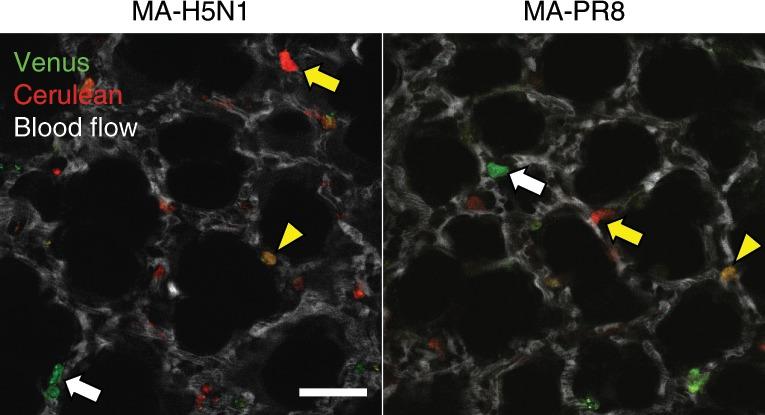
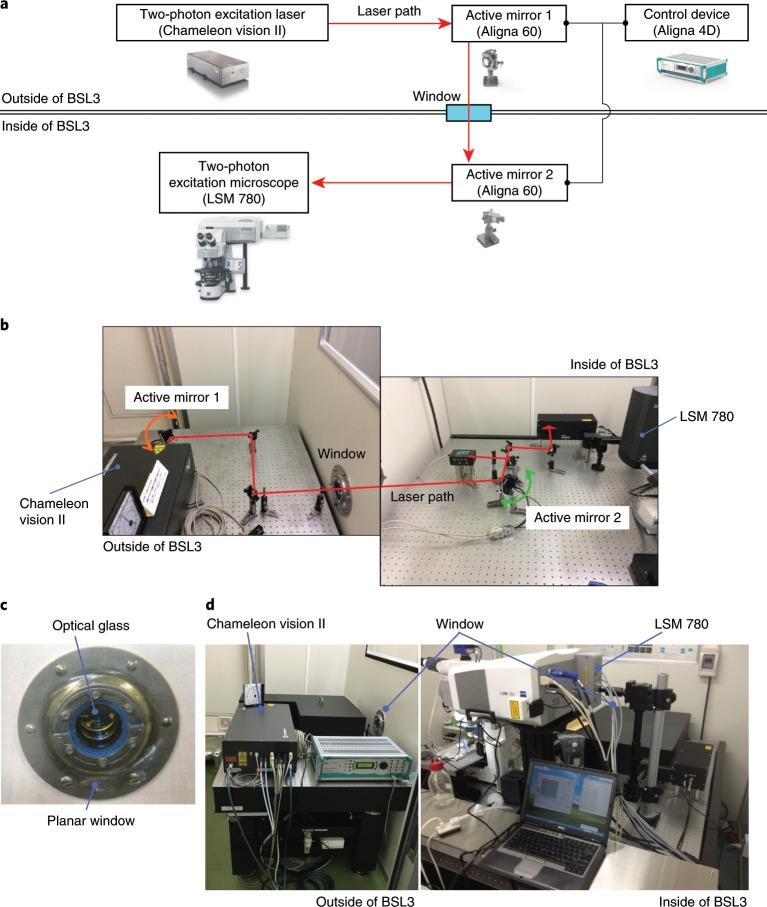
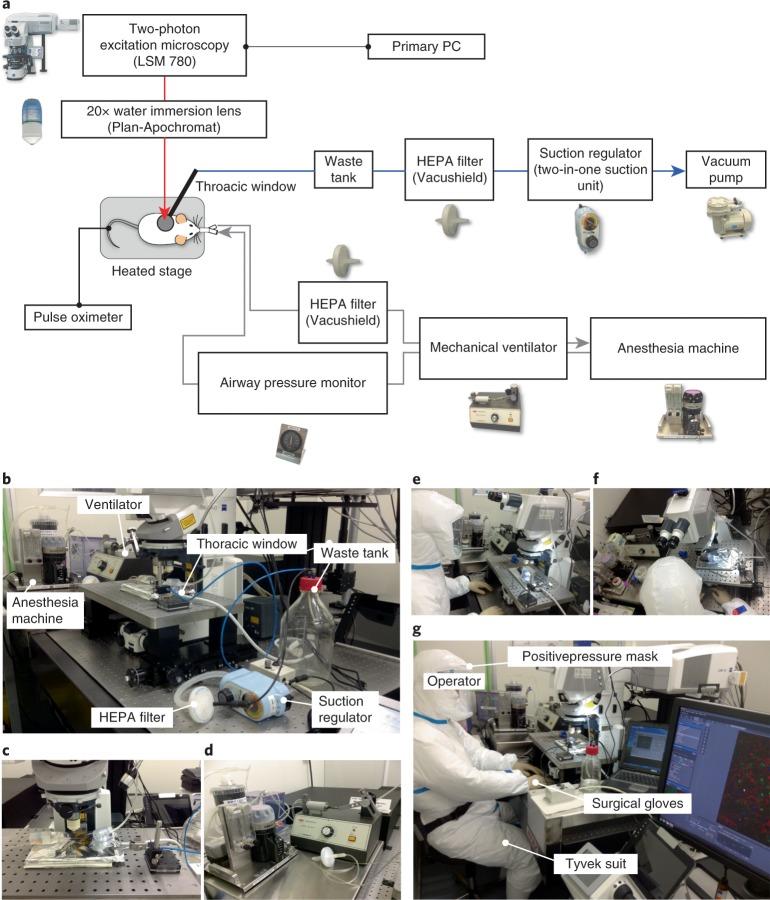
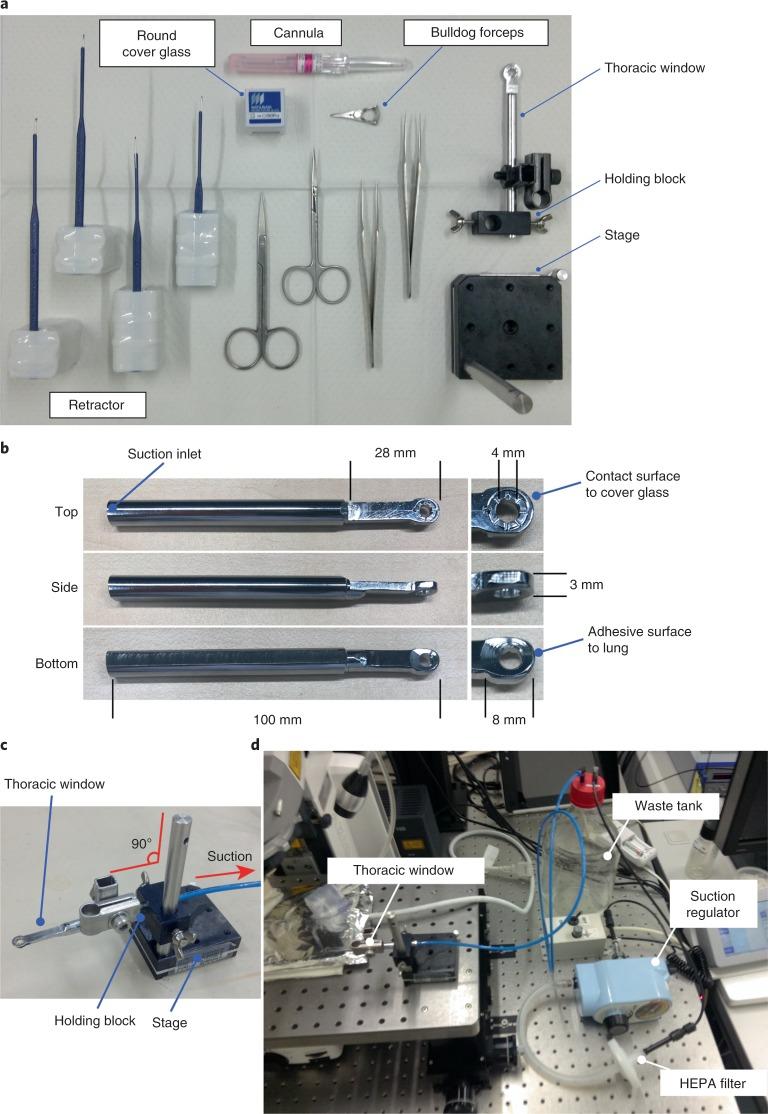
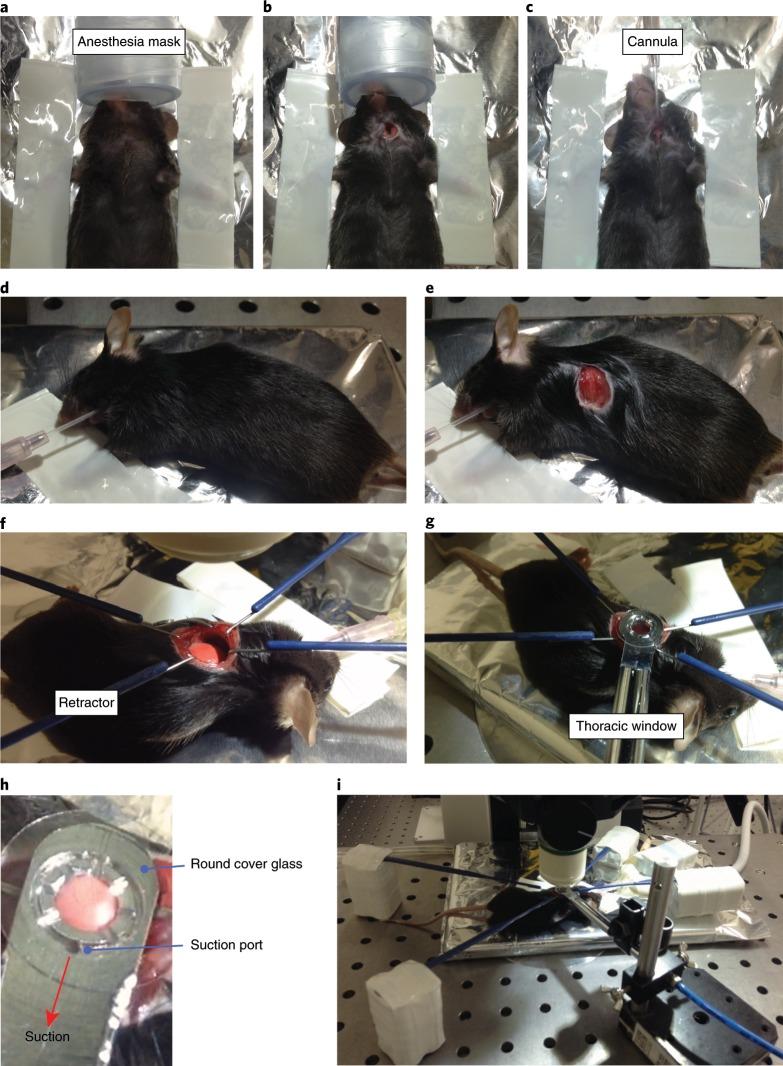
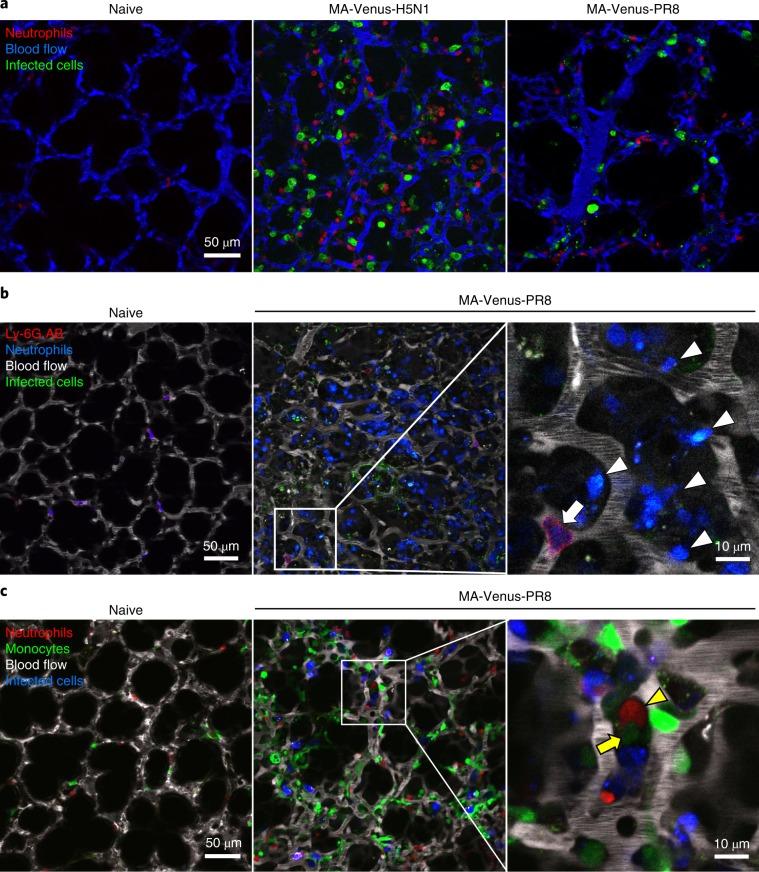
In vivo two-photon imaging is a valuable technique for studies of viral pathogenesis and host responses to infection in vivo. In this protocol, we describe a methodology for analyzing influenza virus-infected lung in vivo by two-photon imaging microscopy. We describe the surgical procedure, how to stabilize the lung, and an approach to analyzing the data. Further, we provide a database of fluorescent dyes, antibodies, and reporter mouse lines that can be used in combination with a reporter influenza virus (Color-flu) for multicolor analysis. Setup of this model typically takes ~30 min and enables the observation of influenza virus-infected lungs for >4 h during the acute phase of the inflammation and at least 1 h in the lethal phase. This imaging system, which we termed two-photon IMPRESS (imaging pathophysiology research system), is broadly applicable to analyses of other respiratory pathogens and reveals disease progression at the cellular level in vivo.
体内双光子成像是研究病毒发病机制和宿主对感染反应的一种有价值的技术。在本方案中,我们描述了一种通过双光子成像显微镜分析体内流感病毒感染肺的方法。我们描述了手术过程、如何稳定肺部,以及分析数据的方法。此外,我们提供了一个荧光染料、抗体和报告小鼠系的数据库,可与报告流感病毒(Color-flu)结合使用,进行多色分析。该模型的设置通常需要约 30 分钟,可在炎症的急性期观察感染流感病毒的肺超过 4 小时,在致死期至少 1 小时。我们将这种成像系统称为双光子 IMPRESS(成像病理生理学研究系统),它广泛适用于其他呼吸道病原体的分析,并在体内从细胞水平揭示疾病进展。
 Zotero 插件