
丙戊酸通过蛋白信号通路促进成年间充质干细胞的早期神经分化。
Valproic Acid Promotes Early Neural Differentiation in Adult Mesenchymal Stem Cells Through Protein Signalling Pathways.
机构信息
Advanced Tissue Regeneration & Drug Delivery Group, School of Life Sciences, University of Technology Sydney, P.O. Box 123, Broadway, NSW 2007, Australia.
Ecole Nationale Supérieure D'agronomie et des Industries Alimentaires (ENSAIA), Université de Lorraine, 2 Avenue de la Forêt de Haye, 54505 Vandœuvre-lès-Nancy, France.
出版信息
Cells. 2020 Mar 4;9(3):619. doi: 10.3390/cells9030619.
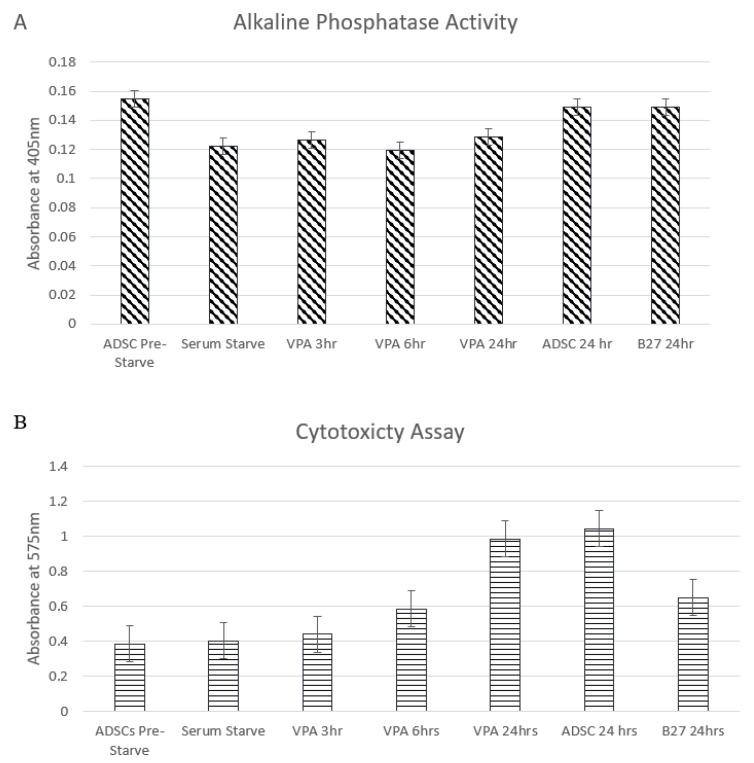
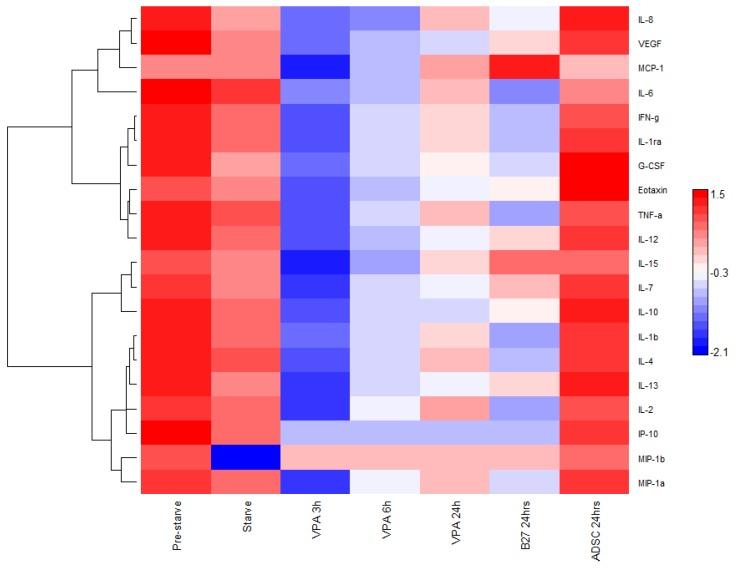
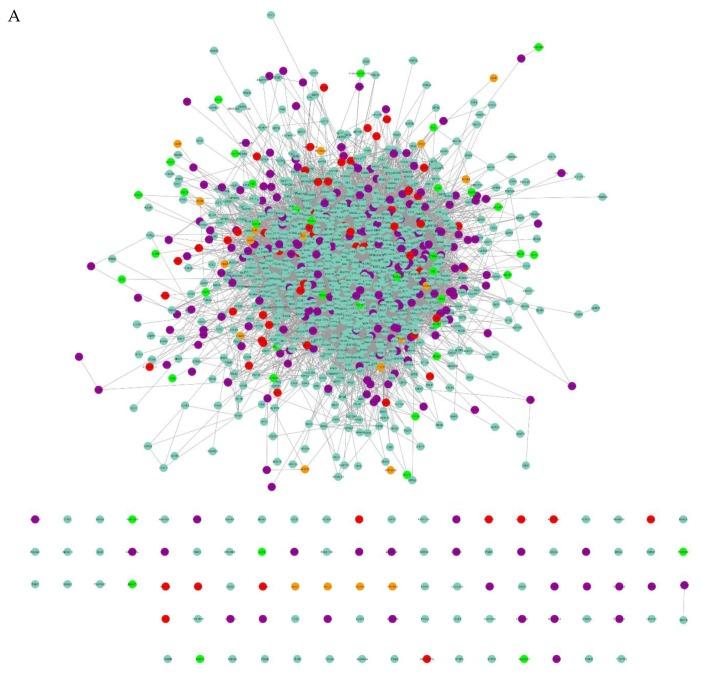
Regenerative medicine is a rapidly expanding area in research and clinical applications. Therapies involving the use of small molecule chemicals aim to simplify the creation of specific drugs for clinical applications. Adult mesenchymal stem cells have recently shown the capacity to differentiate into several cell types applicable for regenerative medicine (specifically neural cells, using chemicals). Valproic acid was an ideal candidate due to its clinical stability. It has been implicated in the induction of neural differentiation; however, the mechanism and the downstream events were not known. In this study, we showed that using valproic acid on adult mesenchymal stem cells induced neural differentiation within 24 h by upregulating the expression of suppressor of cytokine signaling 5 (SOCS5) and Fibroblast growth factor 21 (FGF21), without increasing the potential death rate of the cells. Through this, the Janus Kinase/Signal Transducer and Activator of Transcription (JAK/STAT) pathway is downregulated, and the mitogen-activated protein kinase (MAPK) cascade is activated. The bioinformatics analyses revealed the expression of several neuro-specific proteins as well as a range of functional and structural proteins involved in the formation and development of the neural cells
再生医学是研究和临床应用中迅速发展的领域。涉及小分子化学物质使用的疗法旨在简化特定药物用于临床应用的创造。最近,成年间充质干细胞显示出分化为几种可用于再生医学的细胞类型(特别是神经细胞,使用化学物质)的能力。丙戊酸由于其临床稳定性而成为理想的候选物。它已被牵连到神经分化的诱导中;然而,其机制和下游事件尚不清楚。在这项研究中,我们表明,在成年间充质干细胞上使用丙戊酸在 24 小时内通过上调细胞因子信号转导抑制因子 5(SOCS5)和成纤维细胞生长因子 21(FGF21)的表达诱导神经分化,而不会增加细胞的潜在死亡率。通过这种方式,Janus 激酶/信号转导和转录激活剂(JAK/STAT)途径被下调,而丝裂原激活的蛋白激酶(MAPK)级联被激活。生物信息学分析揭示了几种神经特异性蛋白的表达,以及一系列参与神经细胞形成和发育的功能和结构蛋白。



 Zotero 插件