
喷雾干燥微系统的设计与开发,以改善榛子壳中生物活性化合物的技术和功能特性。
Design and Development of Spray-Dried Microsystems to Improve Technological and Functional Properties of Bioactive Compounds from Hazelnut Shells.
机构信息
Department of Pharmacy, University of Salerno, Via Giovanni Paolo II, 132, 84084 Fisciano (SA), Italy.
出版信息
Molecules. 2020 Mar 11;25(6):1273. doi: 10.3390/molecules25061273.
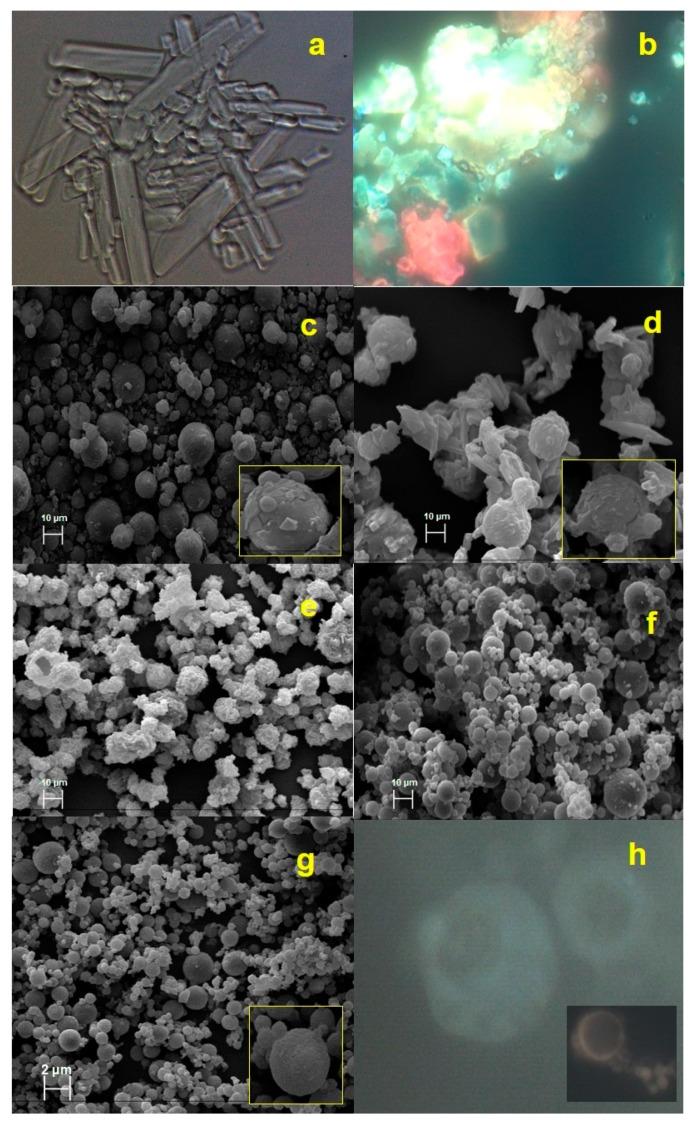
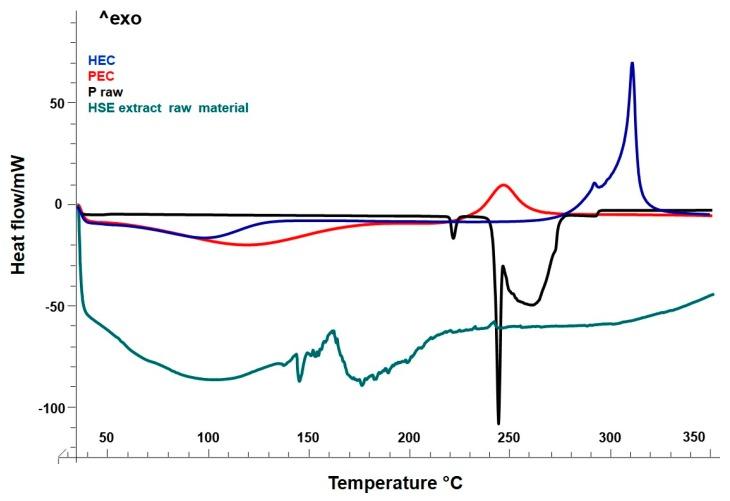
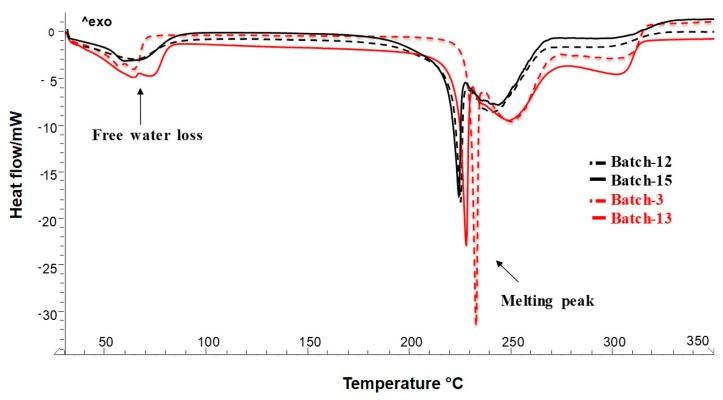
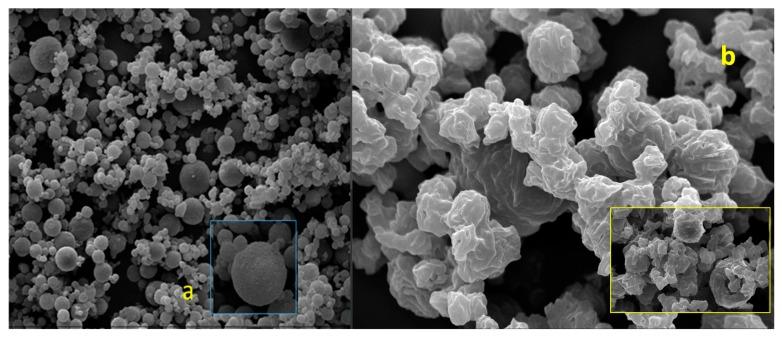
An extract obtained from hazelnut shells by-products (HSE) has antioxidant and chemopreventive effects on human melanoma and cervical cancer cell lines, inducing apoptosis by caspase-3 activation. A clinical translation is limited by poor water solubility and low bioavailability. Dried plant extracts often show critical characteristics such as sticky/gummy appearance, unpleasant smell, and instability involving practical difficulties in processing for industrial use. A spray drying method has been applied to transform raw HSE in a microparticulate powder. The biopolymeric matrix was based on l-proline as loading carrier, hydroxyethylcellulose in combination with pectin as coating polymers; lecithin and ethanol were used as solubility enhancers. A Hot-Cold-Hot method was selected to prepare the liquid feed. The thus prepared powder showed good technological properties (solid-state, particle dimensions, morphology, and water dissolution rate), stability, and unchanged chemopreventive effects with respect to the unprocessed HSE.
榛子壳副产物(HSE)提取物对人黑色素瘤和宫颈癌细胞系具有抗氧化和化学预防作用,通过半胱天冬酶-3 的激活诱导细胞凋亡。临床转化受到较差的水溶性和低生物利用度的限制。干燥的植物提取物通常表现出关键特性,如粘性/胶状外观、难闻的气味和不稳定性,这涉及到工业用途加工的实际困难。喷雾干燥法已被应用于将原始 HSE 转化为微颗粒粉末。该生物聚合物基质以 L-脯氨酸作为负载载体,羟乙基纤维素与果胶结合作为包衣聚合物;大豆卵磷脂和乙醇用作增溶剂。选择冷热热法来制备液体进料。与未经加工的 HSE 相比,所制备的粉末具有良好的技术特性(固态、颗粒尺寸、形态和水溶解速率)、稳定性和不变的化学预防作用。




 Zotero 插件