
自噬缺陷背景下与年龄相关的视网膜神经节细胞易感性
Age related retinal Ganglion cell susceptibility in context of autophagy deficiency.
作者信息
Bell Katharina, Rosignol Ines, Sierra-Filardi Elena, Rodriguez-Muela Natalia, Schmelter Carsten, Cecconi Francesco, Grus Franz, Boya Patricia
机构信息
1Department of Cellular and Molecular Biology, Centro de Investigaciones Biológicas Margarita Salas, CSIC, Madrid, Spain.
2Experimental and Translational Ophthalmology, Medical Center of the Johannes Gutenberg University, Mainz, Germany.
出版信息
Cell Death Discov. 2020 Apr 17;6:21. doi: 10.1038/s41420-020-0257-4. eCollection 2020.
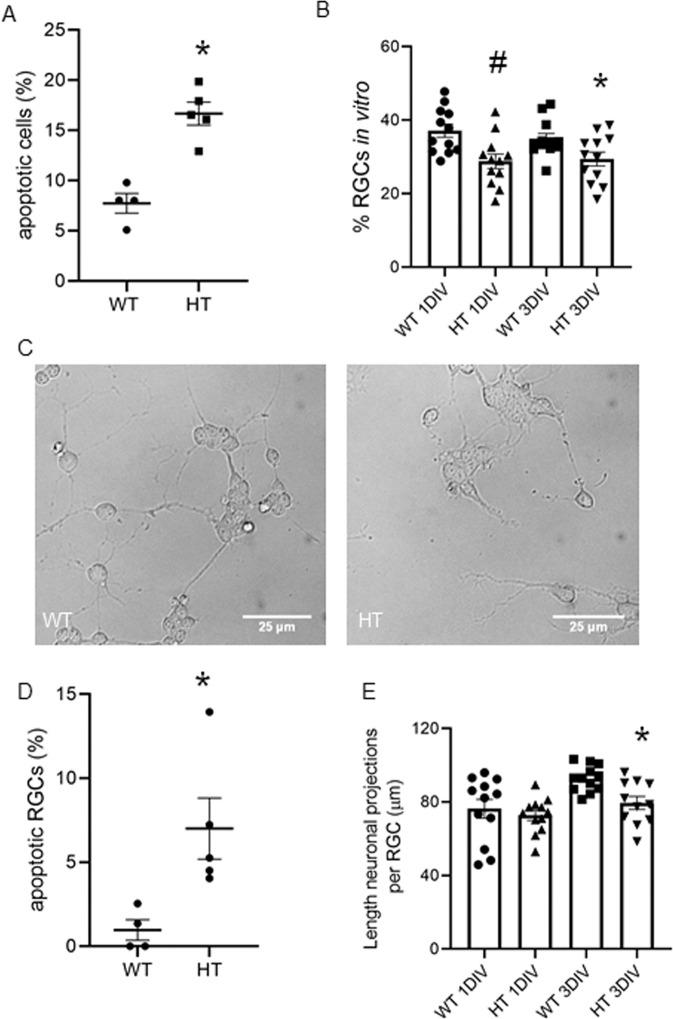
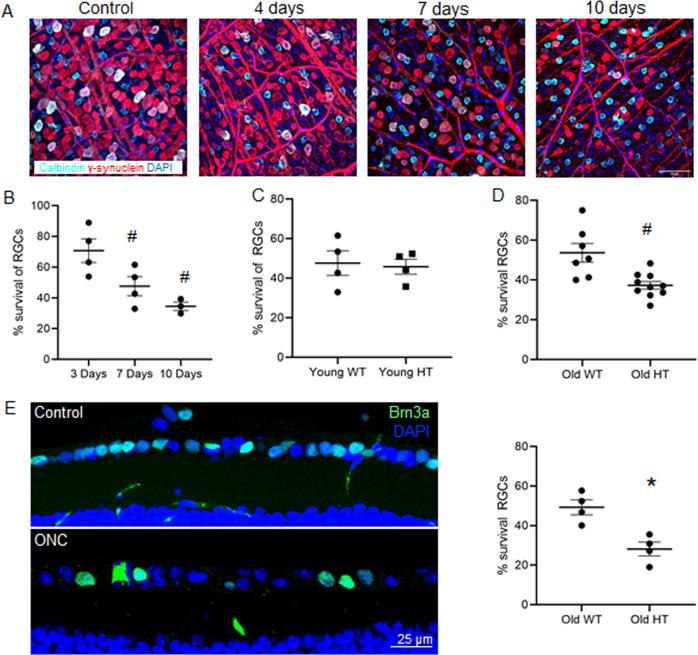
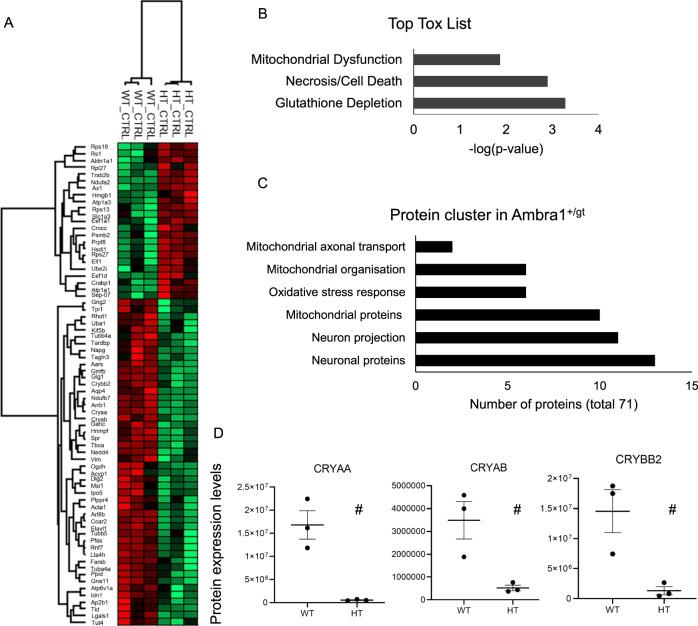
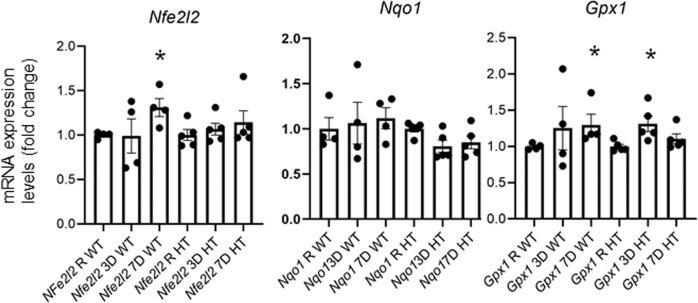
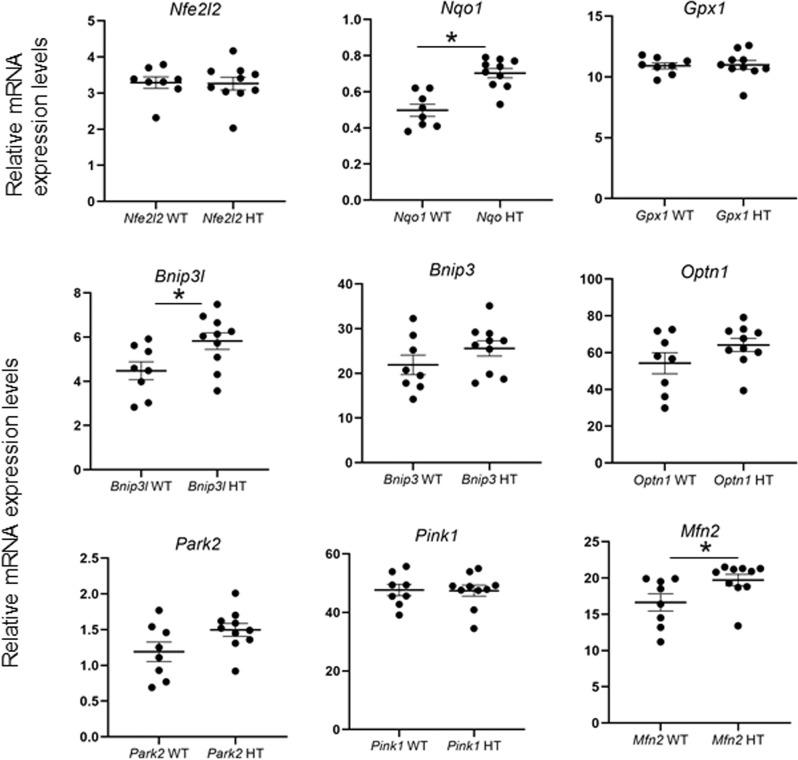
Glaucoma is a common age-related disease leading to progressive retinal ganglion cell (RGC) death, visual field defects and vision loss and is the second leading cause of blindness in the elderly worldwide. Mitochondrial dysfunction and impaired autophagy have been linked to glaucoma and induction of autophagy shows neuroprotective effects in glaucoma animal models. We have shown that autophagy decreases with aging in the retina and that autophagy can be neuroprotective for RGCs, but it is currently unknown how aging and autophagy deficiency impact RGCs susceptibility and survival. Using the optic nerve crush model in young and olWelcome@1234d (autophagy/beclin-1 regulator 1) mice we analysed the contribution of autophagy deficiency on retinal ganglion cell survival in an age dependent context. Interestingly, old mice showed decreased RGC survival after optic nerve crush in comparison to old , an effect that was not observed in the young animals. Proteomics and mRNA expression data point towards altered oxidative stress response and mitochondrial alterations in old animals. This effect is intensified after RGC axonal damage, resulting in reduced oxidative stress response showing decreased levels of , as well as failure of induction in the old . Old also failed to show increase in and expression after optic nerve crush, a response that is found in the controls. Primary RGCs derived from mice show decreased neurite projection and increased levels of apoptosis in comparison to animals. Our results lead to the conclusion that oxidative stress response pathways are altered in old mice leading to impaired damage responses upon additional external stress factors.
青光眼是一种常见的与年龄相关的疾病,可导致视网膜神经节细胞(RGC)进行性死亡、视野缺损和视力丧失,是全球老年人失明的第二大主要原因。线粒体功能障碍和自噬受损与青光眼有关,在青光眼动物模型中诱导自噬显示出神经保护作用。我们已经表明,自噬在视网膜中会随着年龄的增长而减少,并且自噬对RGC具有神经保护作用,但目前尚不清楚衰老和自噬缺陷如何影响RGC的易感性和存活率。我们使用年轻和老年(自噬/Beclin-1调节因子1)小鼠的视神经挤压模型,在年龄依赖性背景下分析了自噬缺陷对视网膜神经节细胞存活的影响。有趣的是,与老年相比,老年小鼠在视神经挤压后RGC存活率降低,而在年轻动物中未观察到这种效应。蛋白质组学和mRNA表达数据表明,老年动物的氧化应激反应和线粒体发生了改变。在RGC轴突损伤后,这种效应会加剧,导致氧化应激反应降低,表现为水平下降,以及老年动物中诱导失败。老年动物在视神经挤压后也未能显示出和表达增加,而在对照动物中则发现了这种反应。与动物相比,源自小鼠的原代RGC显示出神经突投射减少和凋亡水平增加。我们的结果得出结论,老年小鼠的氧化应激反应途径发生了改变,导致在受到额外外部应激因素时损伤反应受损。

 Zotero 插件