
癌症化疗中的多药耐药机制。
Mechanisms of Multidrug Resistance in Cancer Chemotherapy.
机构信息
Department of Molecular Biotechnology and Genetics, Faculty of Biology and Environmental Protection, University of Lodz, 12/16 Banacha St., 90-237 Lodz, Poland.
出版信息
Int J Mol Sci. 2020 May 2;21(9):3233. doi: 10.3390/ijms21093233.
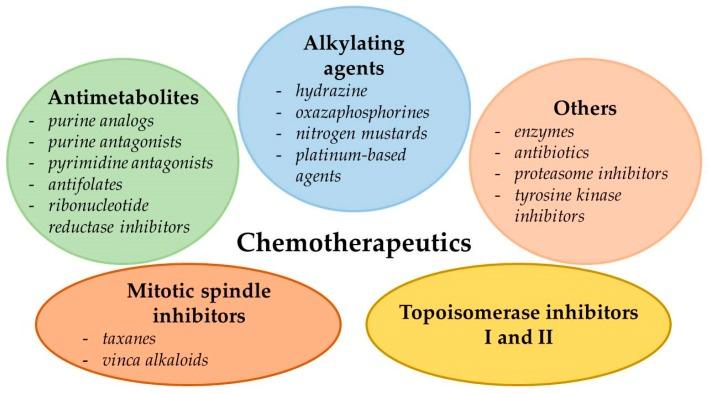
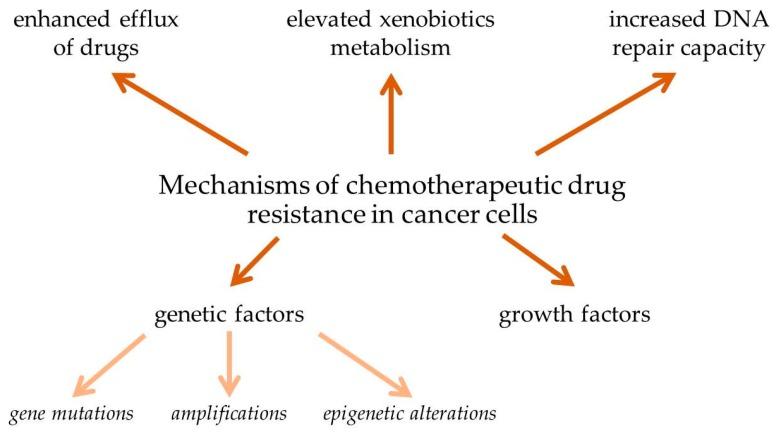
Cancer is one of the main causes of death worldwide. Despite the significant development of methods of cancer healing during the past decades, chemotherapy still remains the main method for cancer treatment. Depending on the mechanism of action, commonly used chemotherapeutic agents can be divided into several classes (antimetabolites, alkylating agents, mitotic spindle inhibitors, topoisomerase inhibitors, and others). Multidrug resistance (MDR) is responsible for over 90% of deaths in cancer patients receiving traditional chemotherapeutics or novel targeted drugs. The mechanisms of MDR include elevated metabolism of xenobiotics, enhanced efflux of drugs, growth factors, increased DNA repair capacity, and genetic factors (gene mutations, amplifications, and epigenetic alterations). Rapidly increasing numbers of biomedical studies are focused on designing chemotherapeutics that are able to evade or reverse MDR. The aim of this review is not only to demonstrate the latest data on the mechanisms of cellular resistance to anticancer agents currently used in clinical treatment but also to present the mechanisms of action of novel potential antitumor drugs which have been designed to overcome these resistance mechanisms. Better understanding of the mechanisms of MDR and targets of novel chemotherapy agents should provide guidance for future research concerning new effective strategies in cancer treatment.
癌症是全球主要死亡原因之一。尽管在过去几十年中癌症治疗方法取得了重大进展,但化疗仍然是癌症治疗的主要方法。根据作用机制,常用的化疗药物可分为几类(抗代谢物、烷化剂、有丝分裂纺锤体抑制剂、拓扑异构酶抑制剂等)。多药耐药(MDR)是接受传统化疗药物或新型靶向药物治疗的癌症患者 90%以上死亡的原因。MDR 的机制包括外源性物质代谢增加、药物外排增加、生长因子增加、DNA 修复能力增加和遗传因素(基因突变、扩增和表观遗传改变)。越来越多的生物医学研究致力于设计能够逃避或逆转 MDR 的化疗药物。本综述的目的不仅是展示目前临床治疗中使用的抗癌药物的细胞耐药机制的最新数据,还展示了为克服这些耐药机制而设计的新型潜在抗肿瘤药物的作用机制。更好地了解 MDR 的机制和新型化疗药物的靶点,应为癌症治疗的新有效策略的未来研究提供指导。


 Zotero 插件