
经颅直流电刺激对膝骨关节炎患者功能红外光谱测量的纵向影响:一项初步研究。
Longitudinal effect of transcranial direct current stimulation on knee osteoarthritis patients measured by functional infrared spectroscopy: a pilot study.
作者信息
Pollonini Luca, Miao Hongyu, Ahn Hyochol
机构信息
University of Houston, Department of Engineering Technology, Houston, Texas, United States.
University of Houston, Department of Electrical and Computer Engineering, Houston, Texas, United States.
出版信息
Neurophotonics. 2020 Apr;7(2):025004. doi: 10.1117/1.NPh.7.2.025004. Epub 2020 May 7.
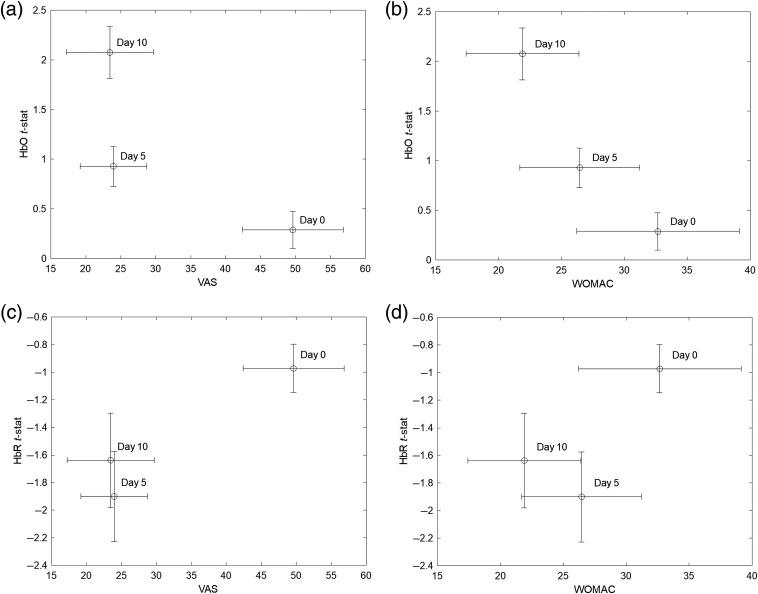
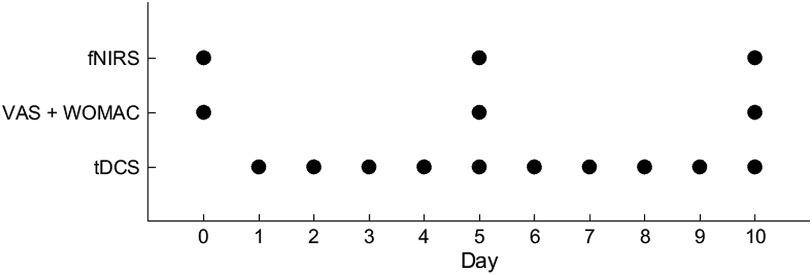
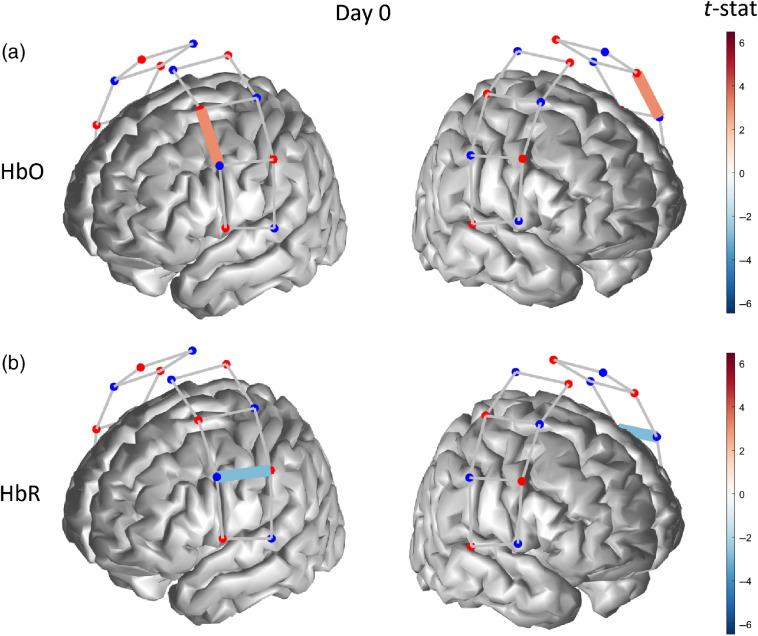
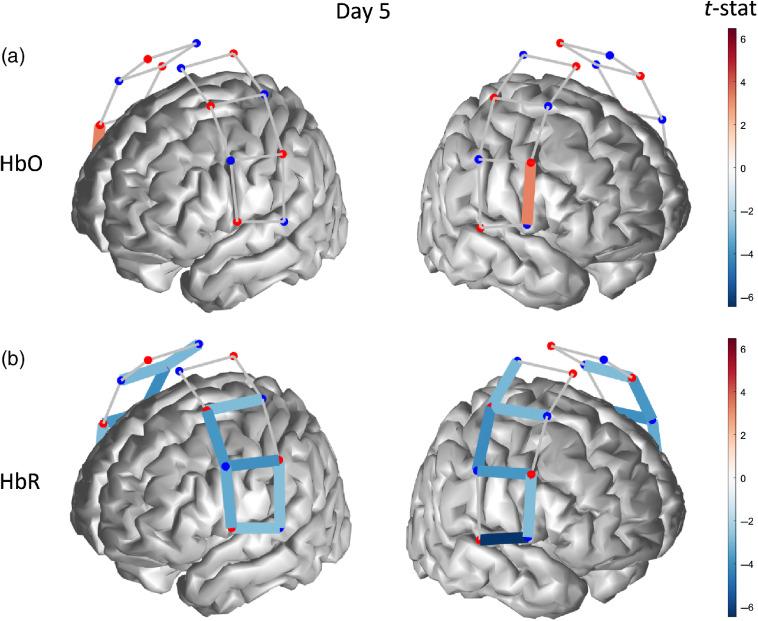
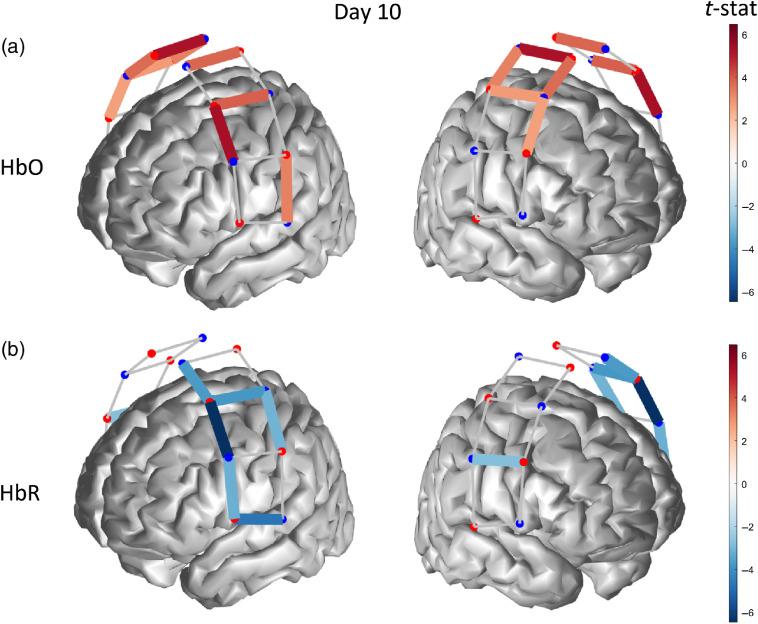
Knee osteoarthritis (OA) is a common joint disease causing chronic pain and functional alterations (stiffness and swelling) in the elderly population. OA is currently treated pharmacologically with analgesics, although neuromodulation via transcranial direct current stimulation (tDCS) has recently generated a growing interest as a safe side-effect free treatment alternative or a complement to medications for chronic pain conditions. Although a number of studies have shown that tDCS has a beneficial effect on behavioral measures of pain, the mechanistic action of neuromodulation on pain sensitivity and coping at the central nervous system is not well understood. We aimed at observing longitudinal changes of cortical hemodynamics in older adults with knee OA associated with a two-week-long tDCS self-treatment protocol. Hemodynamics was measured bilaterally in the motor and somatosensory cortices with functional near-infrared spectroscopy (fNIRS) in response to thermal pain induced ipsilaterally to the knee primarily affected by OA. We found that both oxyhemoglobin- and deoxyhemoglobin-related functional activations significantly increased during the course of the tDCS treatment, supporting the notion that tDCS yields an increased cortical excitability. Concurrently, clinical measures of pain decreased with tDCS treatment, hinting at a potential spatial dissociation between cortically mediated pain perception and suppression and the prevalence of neuromodulatory effects over cortical pain processing. fNIRS is a valid method for objectively tracking pain in an ambulatory setting and it could potentially be used to inform strategies for optimized tDCS treatment and to develop innovative tDCS protocols.
膝骨关节炎(OA)是一种常见的关节疾病,会导致老年人群出现慢性疼痛和功能改变(僵硬和肿胀)。目前,OA的药物治疗使用镇痛药,尽管经颅直流电刺激(tDCS)进行神经调节最近作为一种安全、无副作用的治疗选择或慢性疼痛疾病药物治疗的补充,引起了越来越多的关注。尽管多项研究表明tDCS对疼痛的行为测量有有益影响,但神经调节对中枢神经系统疼痛敏感性和应对机制的作用尚不清楚。我们旨在观察与为期两周的tDCS自我治疗方案相关的膝OA老年人皮质血流动力学的纵向变化。使用功能近红外光谱(fNIRS)在运动和体感皮层双侧测量血流动力学,以响应主要受OA影响的膝盖同侧诱发的热痛。我们发现,在tDCS治疗过程中,与氧合血红蛋白和脱氧血红蛋白相关的功能激活均显著增加,这支持了tDCS会增加皮质兴奋性的观点。同时,tDCS治疗后疼痛的临床测量值下降,这暗示了皮质介导的疼痛感知和抑制与神经调节作用在皮质疼痛处理中的普遍性之间可能存在空间分离。fNIRS是一种在动态环境中客观跟踪疼痛的有效方法,它可能潜在地用于为优化tDCS治疗的策略提供信息,并开发创新的tDCS方案。



 Zotero 插件