
γδ T 细胞:癌症免疫疗法的理想工具。
γδ T Cells: The Ideal Tool for Cancer Immunotherapy.
机构信息
Stem Cell Transplantation and Regenerative Medicine, Department of Pediatrics, Stanford University School of Medicine, Palo Alto, CA 94305, USA.
Laboratorio Cellule Staminali post-natali e Terapie Cellulari, IRCCS G. Gaslini, Via G. Gaslini 5, 16147 Genova, Italy.
出版信息
Cells. 2020 May 24;9(5):1305. doi: 10.3390/cells9051305.
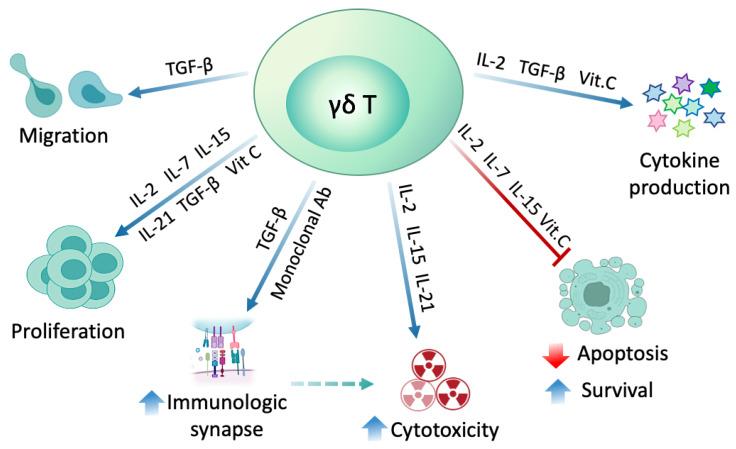
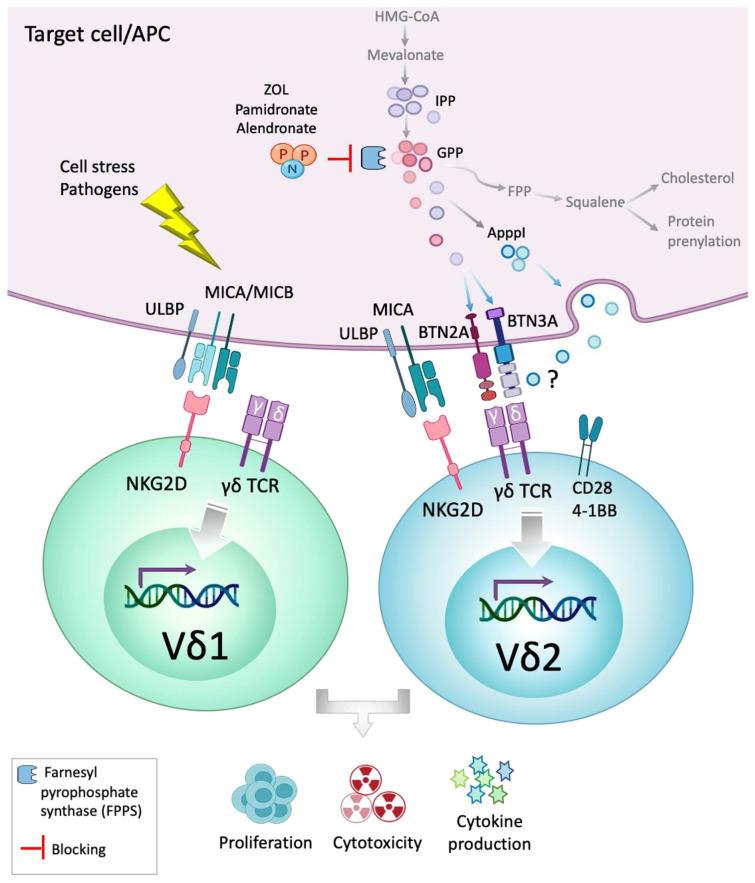
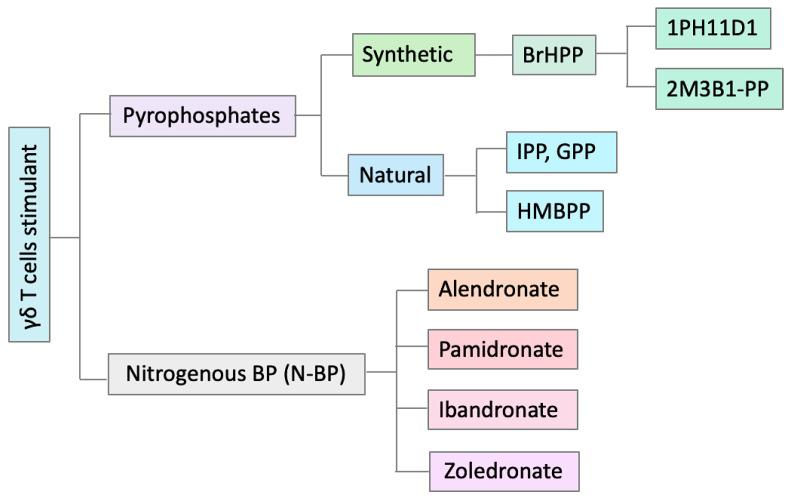
γδ T cells have recently gained considerable attention as an attractive tool for cancer adoptive immunotherapy due to their potent anti-tumor activity and unique role in immunosurveillance. The remarkable success of engineered T cells for the treatment of hematological malignancies has revolutionized the field of adoptive cell immunotherapy. Accordingly, major efforts are underway to translate this exciting technology to the treatment of solid tumors and the development of allogeneic therapies. The unique features of γδ T cells, including their major histocompatibility complex (MHC)-independent anti-cancer activity, tissue tropism, and multivalent response against a broad spectrum of the tumors, render them ideal for designing universal 'third-party' cell products, with the potential to overcome the challenges of allogeneic cell therapy. In this review, we describe the crucial role of γδ T cells in anti-tumor immunosurveillance and we summarize the different approaches used for the ex vivo and in vivo expansion of γδ T cells suitable for the development of novel strategies for cancer therapy. We further discuss the different transduction strategies aiming at redirecting or improving the function of γδ T cells, as well as, the considerations for the clinical applications.
γδ T 细胞因其强大的抗肿瘤活性和在免疫监视中的独特作用,最近作为癌症过继免疫治疗的一种有吸引力的工具引起了相当大的关注。工程化 T 细胞在治疗血液恶性肿瘤方面的显著成功彻底改变了过继细胞免疫治疗领域。因此,正在进行重大努力将这项令人兴奋的技术转化为治疗实体瘤和开发同种异体疗法。γδ T 细胞的独特特征,包括其 MHC 非依赖性抗癌活性、组织趋向性和对广谱肿瘤的多价反应,使它们成为设计通用“第三方”细胞产品的理想选择,有可能克服同种异体细胞治疗的挑战。在这篇综述中,我们描述了 γδ T 细胞在抗肿瘤免疫监视中的关键作用,并总结了用于体外和体内扩增 γδ T 细胞的不同方法,这些方法适合开发新的癌症治疗策略。我们进一步讨论了旨在重定向或改善 γδ T 细胞功能的不同转导策略,以及临床应用的考虑因素。
 Zotero 插件