
2020 年 1 月至 5 月美国因 COVID-19 大流行对急诊部门用于急性危及生命病症的潜在间接影响。
Potential Indirect Effects of the COVID-19 Pandemic on Use of Emergency Departments for Acute Life-Threatening Conditions - United States, January-May 2020.
出版信息
MMWR Morb Mortal Wkly Rep. 2020 Jun 26;69(25):795-800. doi: 10.15585/mmwr.mm6925e2.
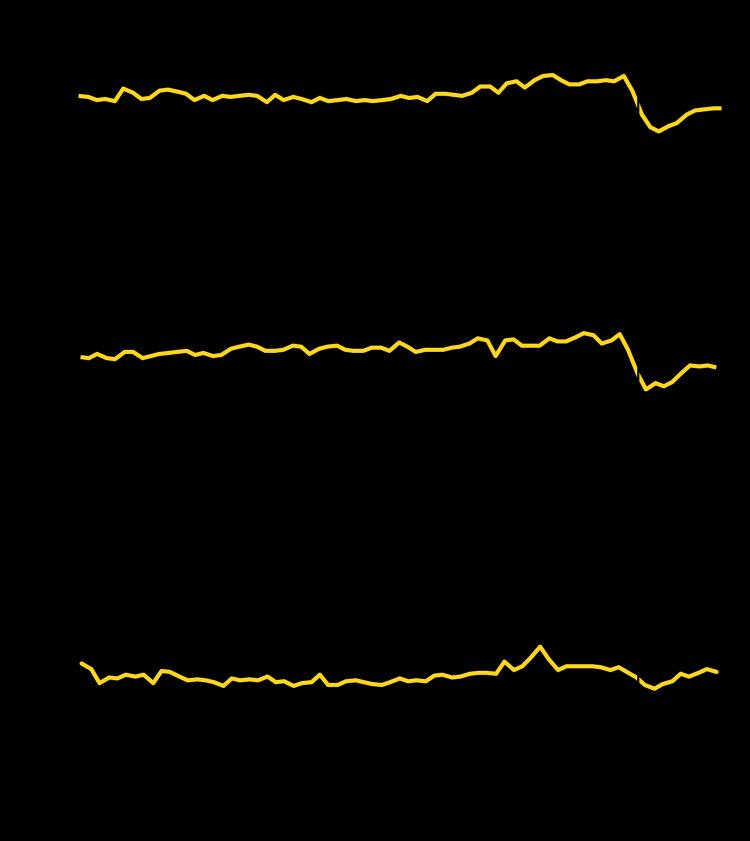
On March 13, 2020, the United States declared a national emergency in response to the coronavirus disease 2019 (COVID-19) pandemic. Subsequently, states enacted stay-at-home orders to slow the spread of SARS-CoV-2, the virus that causes COVID-19, and reduce the burden on the U.S. health care system. CDC* and the Centers for Medicare & Medicaid Services (CMS) recommended that health care systems prioritize urgent visits and delay elective care to mitigate the spread of COVID-19 in health care settings. By May 2020, national syndromic surveillance data found that emergency department (ED) visits had declined 42% during the early months of the pandemic (1). This report describes trends in ED visits for three acute life-threatening health conditions (myocardial infarction [MI, also known as heart attack], stroke, and hyperglycemic crisis), immediately before and after declaration of the COVID-19 pandemic as a national emergency. These conditions represent acute events that always necessitate immediate emergency care, even during a public health emergency such as the COVID-19 pandemic. In the 10 weeks following the emergency declaration (March 15-May 23, 2020), ED visits declined 23% for MI, 20% for stroke, and 10% for hyperglycemic crisis, compared with the preceding 10-week period (January 5-March 14, 2020). EDs play a critical role in diagnosing and treating life-threatening conditions that might result in serious disability or death. Persons experiencing signs or symptoms of serious illness, such as severe chest pain, sudden or partial loss of motor function, altered mental state, signs of extreme hyperglycemia, or other life-threatening issues, should seek immediate emergency care, regardless of the pandemic. Clear, frequent, highly visible communication from public health and health care professionals is needed to reinforce the importance of timely care for medical emergencies and to assure the public that EDs are implementing infection prevention and control guidelines that help ensure the safety of their patients and health care personnel.
2020 年 3 月 13 日,美国因 2019 冠状病毒病(COVID-19)大流行宣布进入全国紧急状态。随后,各州发布了就地避难令,以减缓导致 COVID-19 的 SARS-CoV-2 病毒的传播速度,并减轻美国医疗保健系统的负担。疾病预防控制中心(CDC)和医疗保险与医疗补助服务中心(CMS)建议医疗保健系统优先处理紧急就诊,并推迟非紧急就诊,以减轻 COVID-19 在医疗保健环境中的传播。到 2020 年 5 月,国家综合征监测数据发现,大流行早期,急诊就诊量下降了 42%(1)。本报告描述了 COVID-19 大流行宣布为全国紧急状态前后,急诊就诊量在三种急性危及生命的健康状况(心肌梗死[MI,也称为心脏病发作]、中风和高血糖危象)方面的趋势。这些疾病代表了需要立即进行紧急护理的急性事件,即使在 COVID-19 大流行等公共卫生紧急情况下也是如此。在宣布紧急状态后的 10 周内(2020 年 3 月 15 日至 5 月 23 日),MI 的急诊就诊量下降了 23%,中风下降了 20%,高血糖危象下降了 10%,与前 10 周(2020 年 1 月 5 日至 3 月 14 日)相比。急诊室在诊断和治疗可能导致严重残疾或死亡的危及生命的疾病方面发挥着关键作用。出现严重疾病迹象或症状的人,如严重胸痛、突然或部分丧失运动功能、精神状态改变、极度高血糖迹象或其他危及生命的问题,应立即寻求紧急护理,而无需考虑大流行情况。公共卫生和医疗保健专业人员需要进行清晰、频繁、高度可见的沟通,以强调及时治疗医疗紧急情况的重要性,并向公众保证急诊室正在实施感染预防和控制指南,以帮助确保患者和医护人员的安全。

 Zotero 插件