
实时代谢组学分析食管肿瘤显示,不同氧张力和吡唑尼布治疗会导致代谢表型改变。
Real-time metabolic profiling of oesophageal tumours reveals an altered metabolic phenotype to different oxygen tensions and to treatment with Pyrazinib.
机构信息
Department of Surgery, Trinity Translational Medicine Institute, St. James's Hospital, Trinity College Dublin, Dublin, Ireland.
Department of Clinical Medicine, Trinity Translational Medicine Institute, St. James's Hospital, Trinity College Dublin, Dublin, Ireland.
出版信息
Sci Rep. 2020 Jul 21;10(1):12105. doi: 10.1038/s41598-020-68777-7.
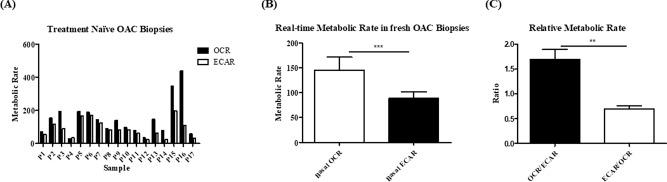
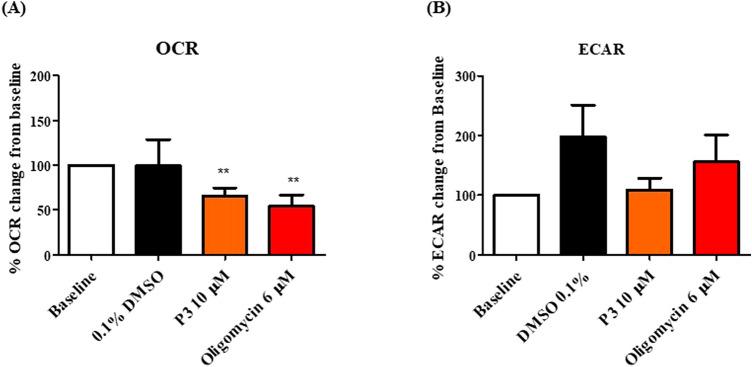
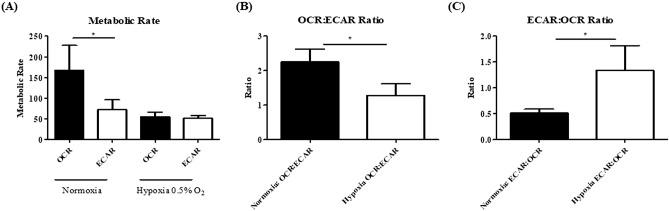
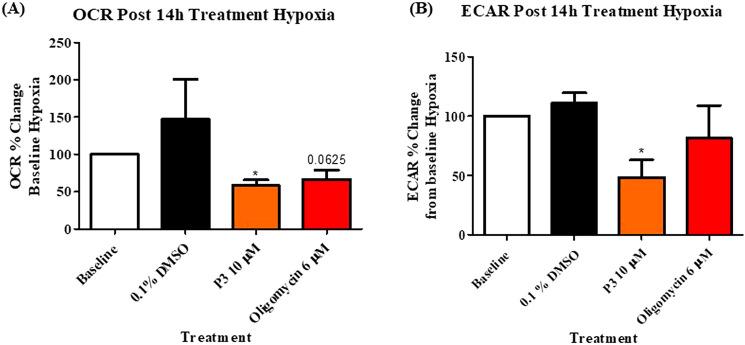
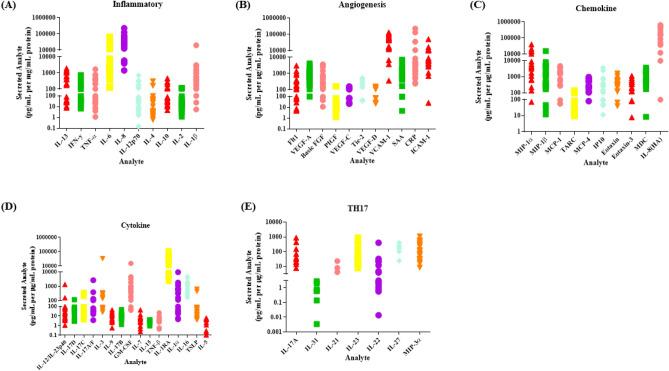
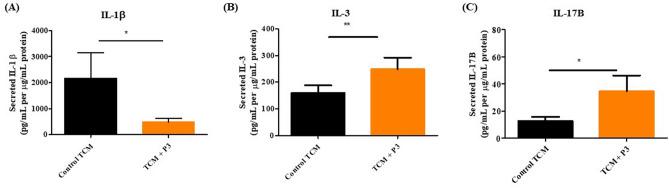
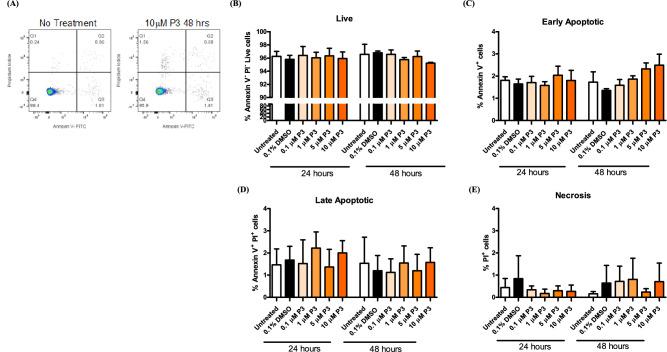
Oesophageal cancer is the 6th most common cause of cancer related death worldwide. The current standard of care for oesophageal adenocarcinoma (OAC) focuses on neoadjuvant therapy with chemoradiation or chemotherapy, however the 5-year survival rates remain at < 20%. To improve treatment outcomes it is critical to further investigate OAC tumour biology, metabolic phenotype and their metabolic adaptation to different oxygen tensions. In this study, by using human ex-vivo explants we demonstrated using real-time metabolic profiling that OAC tumour biopsies have a significantly higher oxygen consumption rate (OCR), a measure of oxidative phosphorylation compared to extracellular acidification rate (ECAR), a measure of glycolysis (p = 0.0004). Previously, we identified a small molecule compound, pyrazinib which enhanced radiosensitivity in OAC. Pyrazinib significantly inhibited OCR in OAC treatment-naïve biopsies (p = 0.0139). Furthermore, OAC biopsies can significantly adapt their metabolic rate in real-time to their environment. Under hypoxic conditions pyrazinib produced a significant reduction in both OCR (p = 0.0313) and ECAR in OAC treatment-naïve biopsies. The inflammatory secretome profile from OAC treatment-naïve biopsies is heterogeneous. OCR was positively correlated with three secreted factors in the tumour conditioned media: vascular endothelial factor A (VEGF-A), IL-1RA and thymic stromal lymphopoietin (TSLP). Pyrazinib significantly inhibited IL-1β secretion (p = 0.0377) and increased IL-3 (p = 0.0020) and IL-17B (p = 0.0181). Importantly, pyrazinib did not directly alter the expression of dendritic cell maturation markers or reduce T-cell viability or activation markers. We present a new method for profiling the metabolic rate of tumour biopsies in real-time and demonstrate the novel anti-metabolic and anti-inflammatory action of pyrazinib ex-vivo in OAC tumours, supporting previous findings in-vitro whereby pyrazinib significantly enhanced radiosensitivity in OAC.
食管癌是全球第六大常见癌症死亡原因。目前,食管腺癌 (OAC) 的标准治疗方法侧重于新辅助放化疗,但 5 年生存率仍<20%。为了提高治疗效果,必须进一步研究 OAC 肿瘤生物学、代谢表型及其对不同氧张力的代谢适应。在这项研究中,我们通过使用人体离体标本,通过实时代谢谱分析表明,与细胞外酸化率 (ECAR) 相比,OAC 肿瘤活检具有明显更高的耗氧率 (OCR),这是氧化磷酸化的衡量标准(p=0.0004)。此前,我们发现了一种小分子化合物吡唑替尼,它可以增强 OAC 的放射敏感性。吡唑替尼显著抑制 OAC 治疗初治活检的 OCR(p=0.0139)。此外,OAC 活检可以实时显著调整其代谢率以适应其环境。在低氧条件下,吡唑替尼可显著降低 OAC 治疗初治活检的 OCR(p=0.0313)和 ECAR。来自 OAC 治疗初治活检的炎症分泌组谱是异质的。OCR 与肿瘤条件培养基中三种分泌因子呈正相关:血管内皮生长因子 A (VEGF-A)、白细胞介素 1 受体拮抗剂 (IL-1RA) 和胸腺基质淋巴细胞生成素 (TSLP)。吡唑替尼显著抑制 IL-1β 分泌(p=0.0377),并增加 IL-3(p=0.0020)和 IL-17B(p=0.0181)。重要的是,吡唑替尼不会直接改变树突状细胞成熟标志物的表达,也不会降低 T 细胞活力或激活标志物。我们提出了一种实时分析肿瘤活检代谢率的新方法,并证明了吡唑替尼在 OAC 肿瘤中的新型抗代谢和抗炎作用,这与之前的体外研究结果一致,即吡唑替尼显著增强了 OAC 的放射敏感性。


 Zotero 插件