
新型视角解析 mA 修饰与癌症中非编码 RNA 的相互作用。
Novel insights into the interplay between mA modification and noncoding RNAs in cancer.
机构信息
Department of Gastroenterology, Shanghai Jiao Tong University Affiliated Sixth People's Hospital, No. 600 Yishan Road, Shanghai, 200233, China.
出版信息
Mol Cancer. 2020 Aug 7;19(1):121. doi: 10.1186/s12943-020-01233-2.
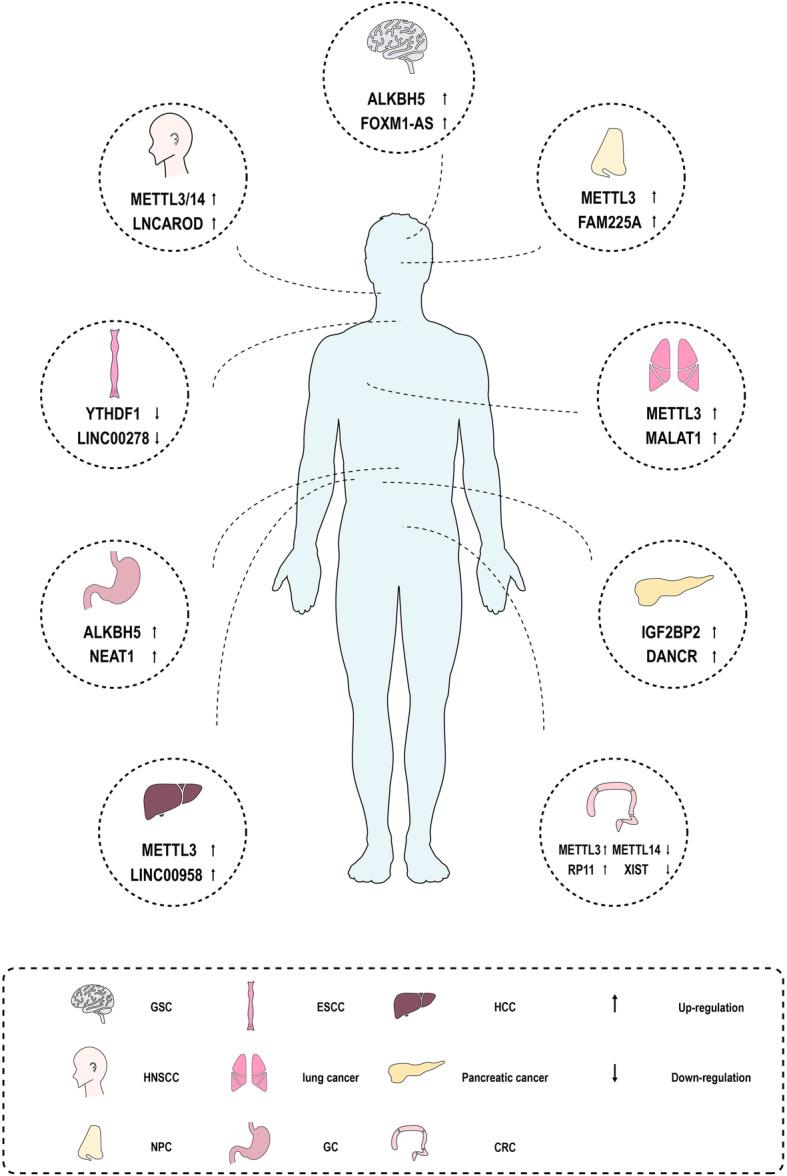
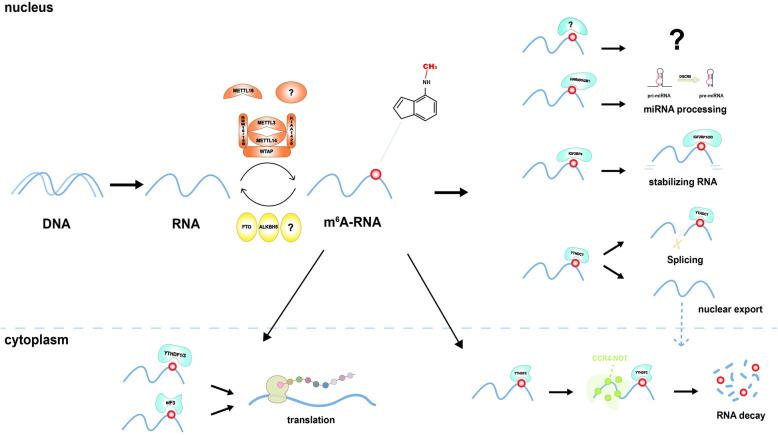
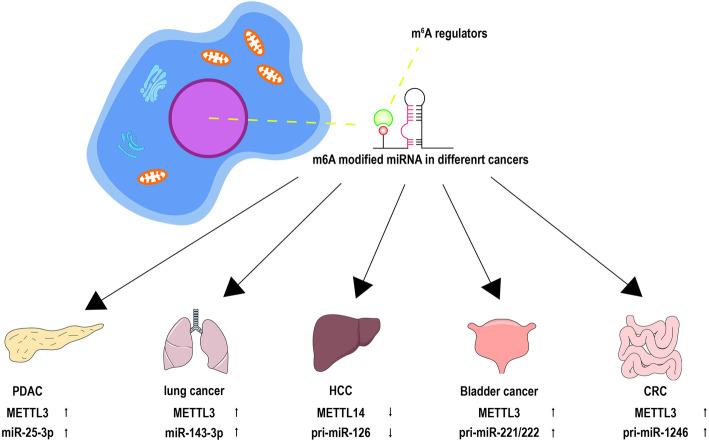
N6-methyladenosine (mA) is one of the most common RNA modifications in eukaryotes, mainly in messenger RNA (mRNA). Increasing evidence shows that mA methylation modification acts an essential role in various physiological and pathological bioprocesses. Noncoding RNAs (ncRNAs), including miRNAs, lncRNAs and circRNAs, are known to participate in regulating cell differentiation, angiogenesis, immune response, inflammatory response and carcinogenesis. mA regulators, such as METTL3, ALKBH5 and IGF2BP1 have been reported to execute a mA-dependent modification of ncRNAs involved in carcinogenesis. Meanwhile, ncRNAs can target or modulate mA regulators to influence cancer development. In this review, we provide an insight into the interplay between mA modification and ncRNAs in cancer.
N6-甲基腺苷(mA)是真核生物中最常见的 RNA 修饰之一,主要存在于信使 RNA(mRNA)中。越来越多的证据表明,mA 甲基化修饰在各种生理和病理生物过程中起着至关重要的作用。非编码 RNA(ncRNA),包括 miRNA、lncRNA 和 circRNA,已知参与调节细胞分化、血管生成、免疫反应、炎症反应和癌症发生。mA 调节因子,如 METTL3、ALKBH5 和 IGF2BP1,已被报道对参与癌症发生的 ncRNA 进行 mA 依赖性修饰。同时,ncRNA 可以靶向或调节 mA 调节因子,从而影响癌症的发展。在这篇综述中,我们深入探讨了 mA 修饰与癌症中 ncRNA 之间的相互作用。
 Zotero 插件