
三维打印手术口罩材料对严重急性呼吸冠状病毒 2(SARS-CoV-2)及多种 RNA 和 DNA 病毒的灭活作用。
Inactivation of Severe Acute Respiratory Coronavirus Virus 2 (SARS-CoV-2) and Diverse RNA and DNA Viruses on Three-Dimensionally Printed Surgical Mask Materials.
机构信息
Medical Service, Iowa City Veterans' Affairs Medical Center, Iowa City, Iowa.
Department of Internal Medicine, Carver College of Medicine University of Iowa, Iowa City, Iowa.
出版信息
Infect Control Hosp Epidemiol. 2021 Mar;42(3):253-260. doi: 10.1017/ice.2020.417. Epub 2020 Aug 12.
BACKGROUND
Personal protective equipment (PPE) is a critical need during the coronavirus disease 2019 (COVID-19) pandemic. Alternative sources of surgical masks, including 3-dimensionally (3D) printed approaches that may be reused, are urgently needed to prevent PPE shortages. Few data exist identifying decontamination strategies to inactivate viral pathogens and retain 3D-printing material integrity.
OBJECTIVE
To test viral disinfection methods on 3D-printing materials.
METHODS
The viricidal activity of common disinfectants (10% bleach, quaternary ammonium sanitizer, 3% hydrogen peroxide, or 70% isopropanol and exposure to heat (50°C, and 70°C) were tested on four 3D-printed materials used in the healthcare setting, including a surgical mask design developed by the Veterans' Health Administration. Inactivation was assessed for several clinically relevant RNA and DNA pathogenic viruses, including severe acute respiratory coronavirus virus 2 (SARS-CoV-2) and human immunodeficiency virus 1 (HIV-1).
RESULTS
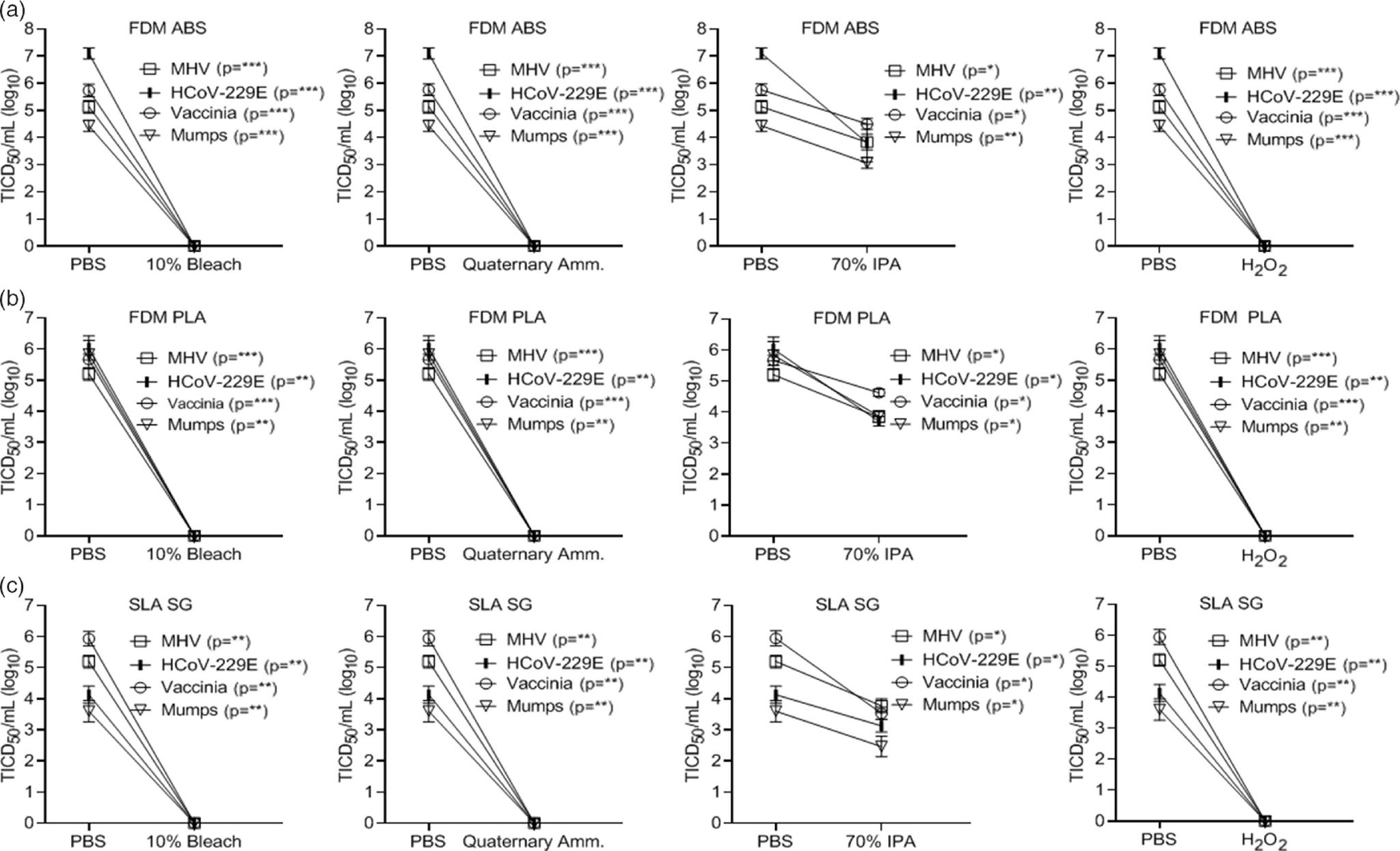
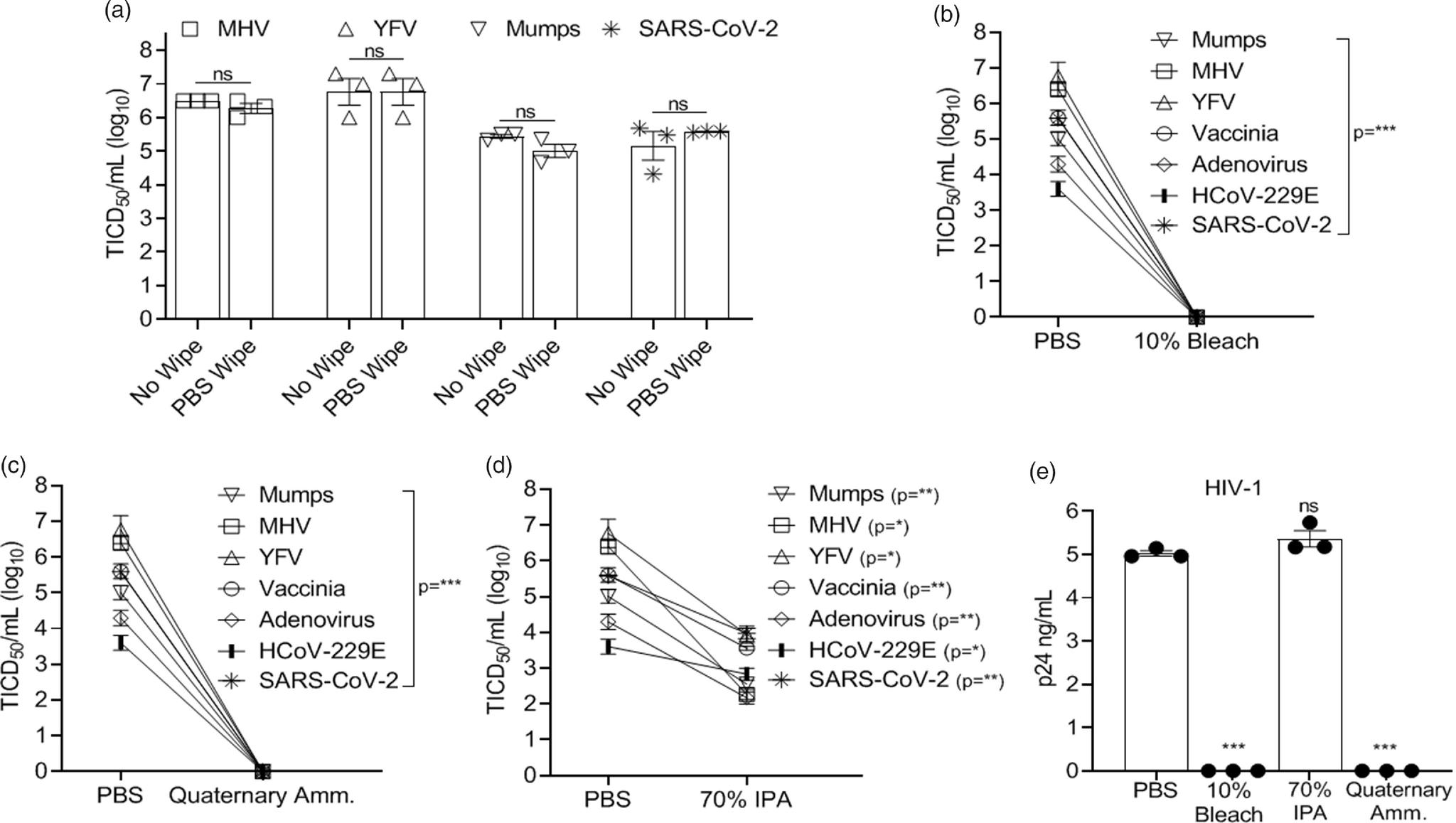
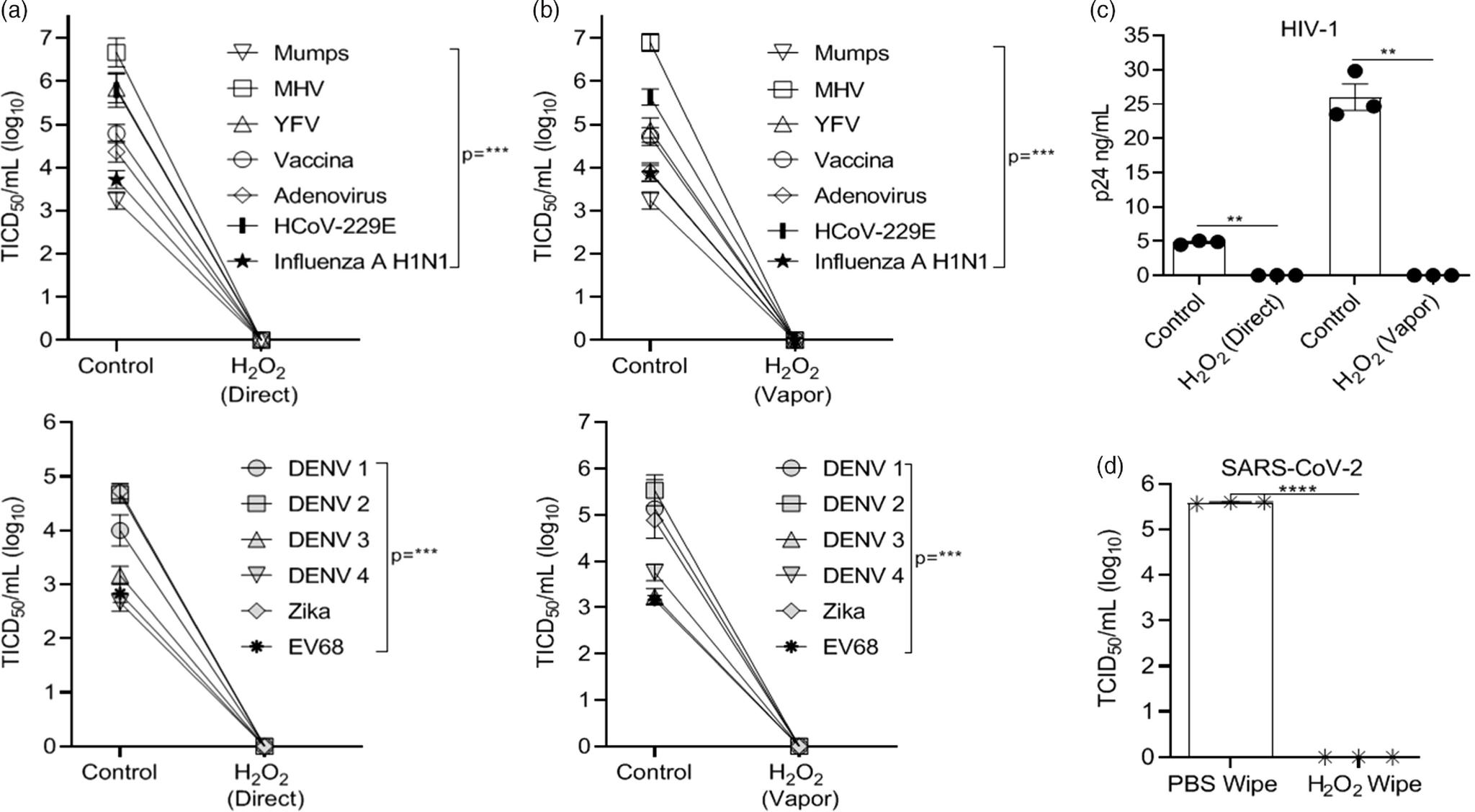
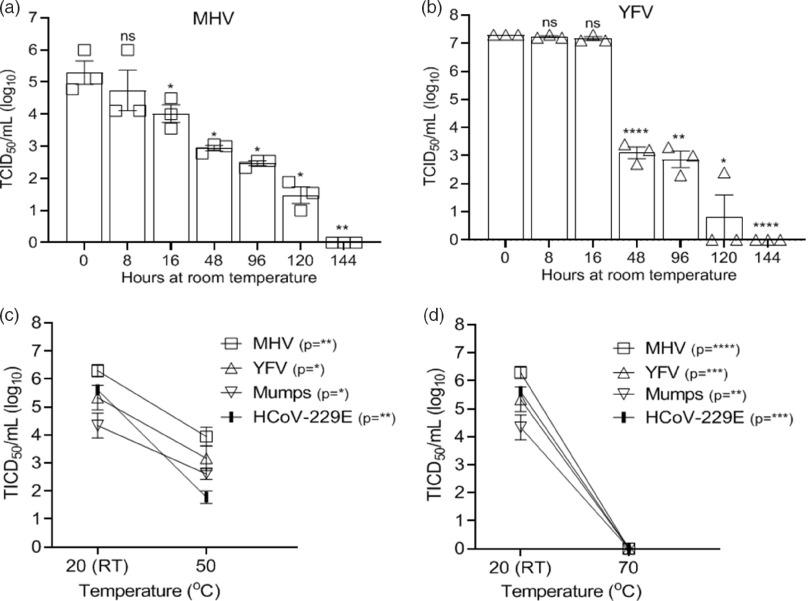
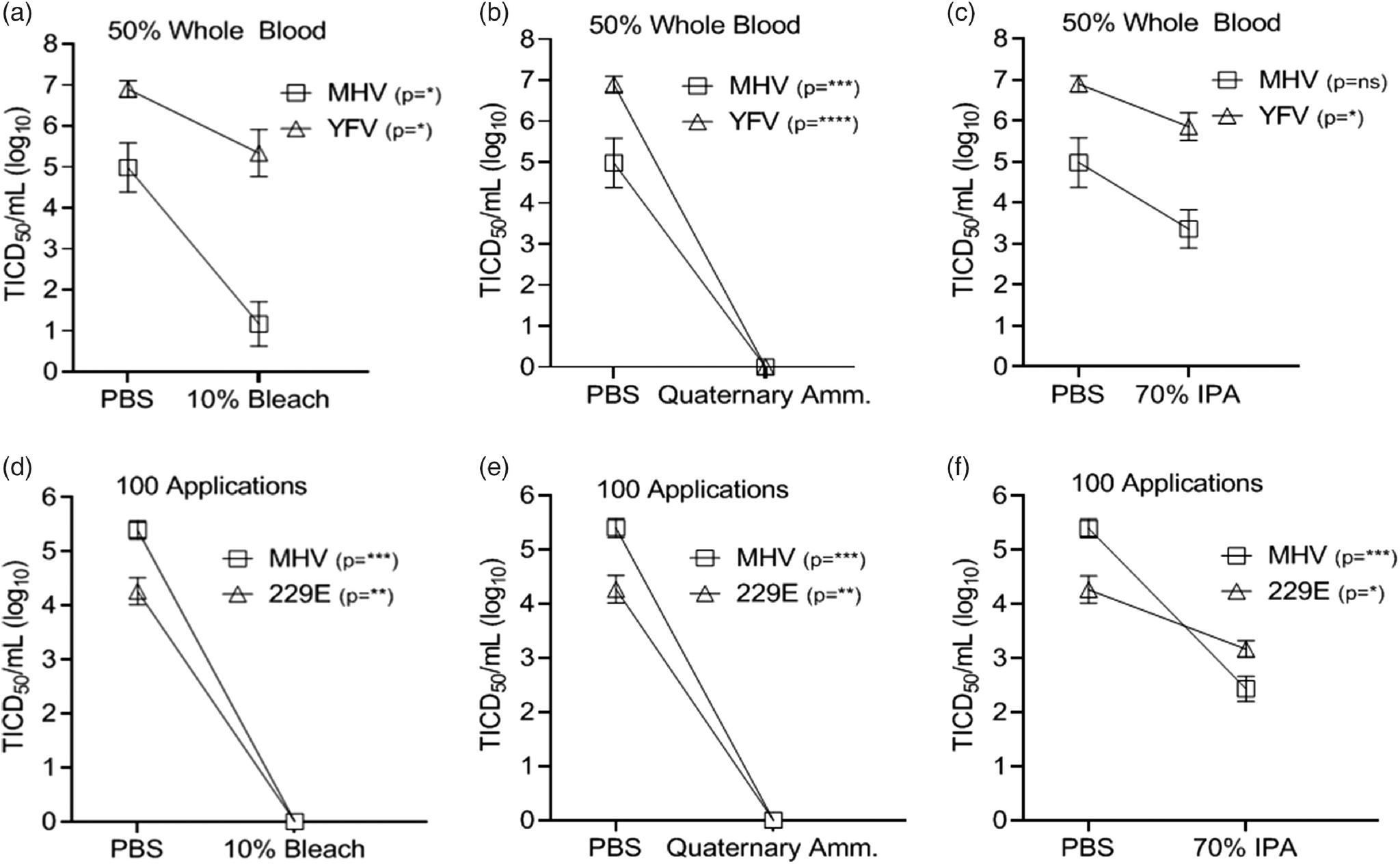
SARS-CoV-2 and all viruses tested were completely inactivated by a single application of bleach, ammonium quaternary compounds, or hydrogen peroxide. Similarly, exposure to dry heat (70°C) for 30 minutes completely inactivated all viruses tested. In contrast, 70% isopropanol reduced viral titers significantly less well following a single application. Inactivation did not interfere with material integrity of the 3D-printed materials.
CONCLUSIONS
Several standard decontamination approaches effectively disinfected 3D-printed materials. These approaches were effective in the inactivation SARS-CoV-2, its surrogates, and other clinically relevant viral pathogens. The decontamination of 3D-printed surgical mask materials may be useful during crisis situations in which surgical mask supplies are limited.
背景
在 2019 年冠状病毒病(COVID-19)大流行期间,个人防护设备(PPE)是一项关键需求。迫切需要替代外科口罩的来源,包括可能重复使用的 3 维(3D)打印方法,以防止 PPE 短缺。几乎没有数据可以确定用于使病毒病原体失活并保留 3D 打印材料完整性的消毒策略。
目的
测试 3D 打印材料的病毒消毒方法。
方法
在四种用于医疗保健环境的 3D 打印材料(包括退伍军人管理局开发的外科口罩设计)上测试了常见消毒剂(10%漂白剂,季铵盐消毒剂,3%过氧化氢或 70%异丙醇)和暴露于热(50°C 和 70°C)的病毒杀灭活性。评估了几种临床相关的 RNA 和 DNA 致病病毒(包括严重急性呼吸综合征冠状病毒 2(SARS-CoV-2)和人类免疫缺陷病毒 1(HIV-1))的灭活情况。
结果
漂白剂,季铵化合物或过氧化氢的单次应用即可使 SARS-CoV-2 和所有测试的病毒完全失活。同样,在 70°C 下干燥 30 分钟也可完全使所有测试的病毒失活。相比之下,70%异丙醇在单次应用后对病毒滴度的降低效果要差得多。失活不会干扰 3D 打印材料的材料完整性。
结论
几种标准的消毒方法可有效消毒 3D 打印材料。这些方法可有效灭活 SARS-CoV-2,其替代品和其他临床相关的病毒病原体。在外科口罩供应有限的危机情况下,对 3D 打印外科口罩材料进行消毒可能会很有用。
 Zotero 插件