
花色苷:化学性质及其对心血管疾病和神经退行性疾病的健康影响的综合评价。
Anthocyanins: A Comprehensive Review of Their Chemical Properties and Health Effects on Cardiovascular and Neurodegenerative Diseases.
机构信息
Department of Sciences, RomaTre University, v.le G. Marconi 446, 00146 Rome, Italy.
Department of Biochemical Sciences, Sapienza University, p.le Aldo Moro, 5, 00185 Rome, Italy.
出版信息
Molecules. 2020 Aug 21;25(17):3809. doi: 10.3390/molecules25173809.
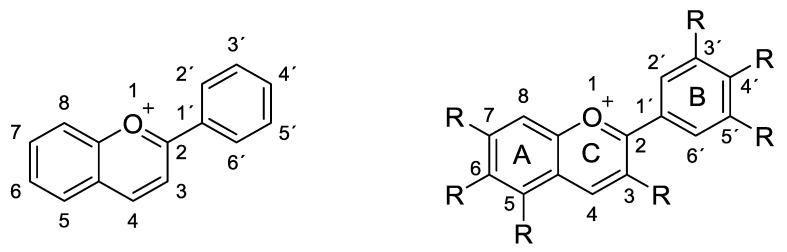
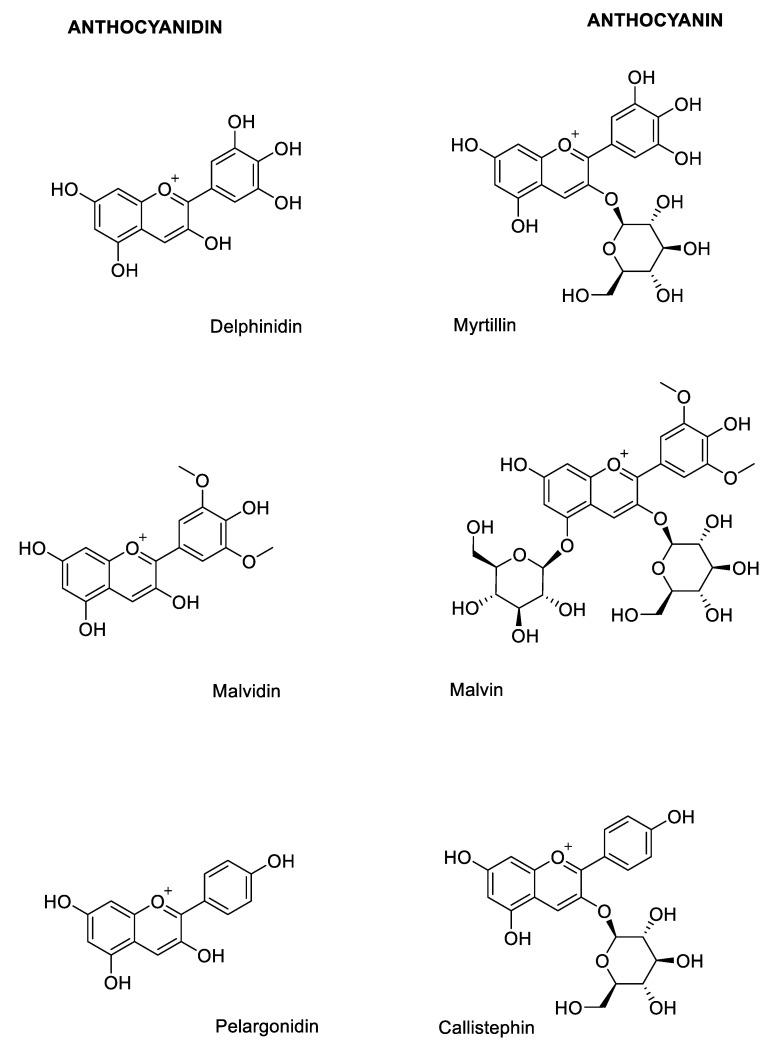
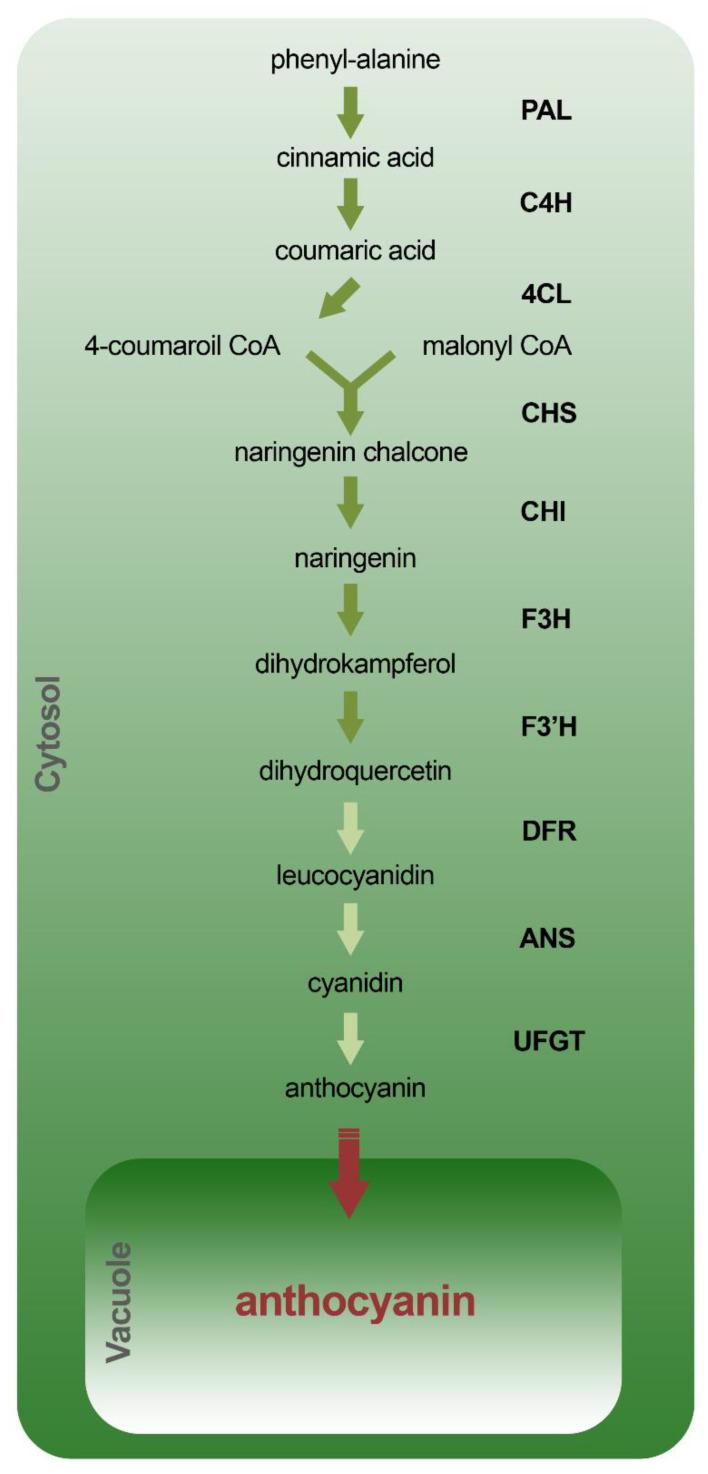
Anthocyanins are a class of water-soluble flavonoids widely present in fruits and vegetables. Dietary sources of anthocyanins include red and purple berries, grapes, apples, plums, cabbage, or foods containing high levels of natural colorants. Cyanidin, delphinidin, malvidin, peonidin, petunidin, and pelargonidin are the six common anthocyanidins. Following consumption, anthocyanin, absorption occurs along the gastrointestinal tract, the distal lower bowel being the place where most of the absorption and metabolism occurs. In the intestine, anthocyanins first undergo extensive microbial catabolism followed by absorption and human phase II metabolism. This produces hybrid microbial-human metabolites which are absorbed and subsequently increase the bioavailability of anthocyanins. Health benefits of anthocyanins have been widely described, especially in the prevention of diseases associated with oxidative stress, such as cardiovascular and neurodegenerative diseases. Furthermore, recent evidence suggests that health-promoting effects attributed to anthocyanins may also be related to modulation of gut microbiota. In this paper we attempt to provide a comprehensive view of the state-of-the-art literature on anthocyanins, summarizing recent findings on their chemistry, biosynthesis, nutritional value and on their effects on human health.
花色苷是一类广泛存在于水果和蔬菜中的水溶性类黄酮。花色苷的膳食来源包括红色和紫色浆果、葡萄、苹果、李子、卷心菜或含有高天然色素的食物。矢车菊素、飞燕草素、锦葵色素、芍药色素、矮牵牛色素和天竺葵色素是六种常见的花色苷。食用后,花色苷沿着胃肠道吸收,大肠下段是吸收和代谢发生的主要部位。在肠道中,花色苷首先经历广泛的微生物代谢,然后吸收并进行人体 II 期代谢。这会产生混合的微生物-人体代谢物,被吸收后会增加花色苷的生物利用度。花色苷的健康益处已被广泛描述,尤其是在预防与氧化应激相关的疾病方面,如心血管疾病和神经退行性疾病。此外,最近的证据表明,归因于花色苷的促进健康的作用可能也与调节肠道微生物群有关。本文旨在提供有关花色苷的最新文献综述,总结花色苷的化学、生物合成、营养价值以及对人类健康影响的最新发现。





 Zotero 插件