
与 SARS-CoV-2 感染相关的胎盘形态和组织病理学病变的系统评价。
A structured review of placental morphology and histopathological lesions associated with SARS-CoV-2 infection.
机构信息
Tommy's Maternal and Fetal Health Research Centre, Faculty of Biology, Medicine & Health, 5th Floor St. Mary's Hospital, University of Manchester, Manchester, UK.
Tommy's Maternal and Fetal Health Research Centre, Faculty of Biology, Medicine & Health, 5th Floor St. Mary's Hospital, University of Manchester, Manchester, UK.
出版信息
Placenta. 2020 Nov;101:13-29. doi: 10.1016/j.placenta.2020.08.018. Epub 2020 Aug 23.
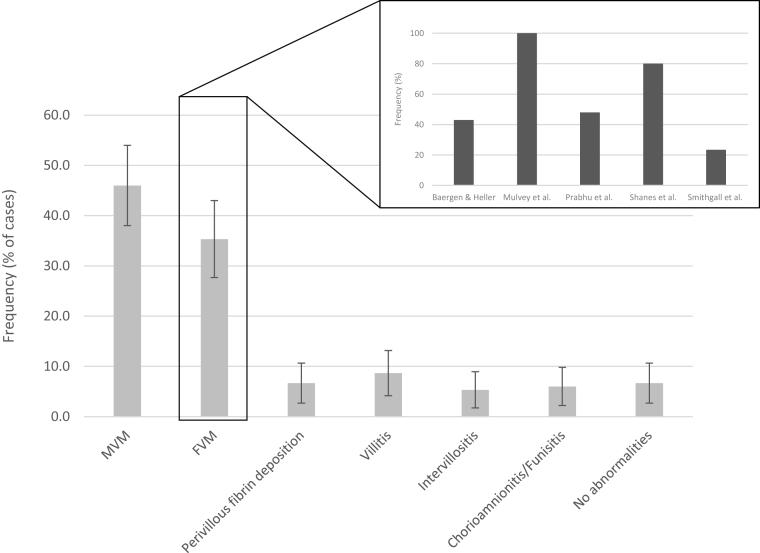
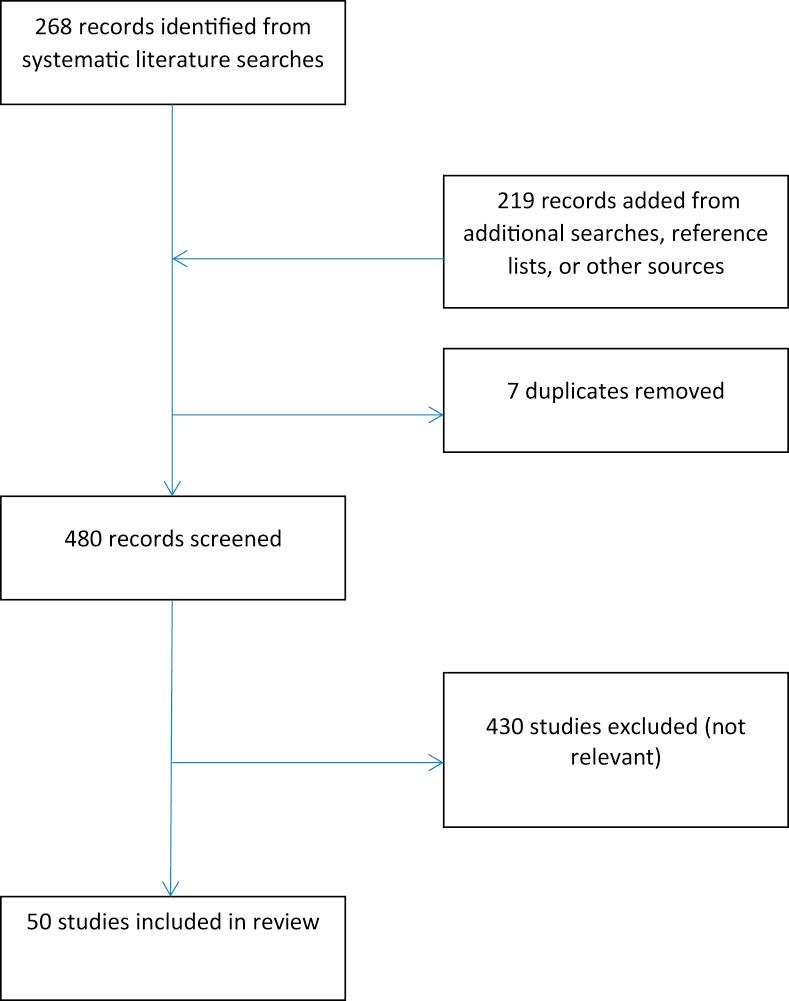
The severe acute respiratory syndrome coronavirus 2 (SARS-CoV-2), a novel coronavirus, was first identified after a cluster of cases in Wuhan, China in December 2019. Whether vertical transmission or placental pathology might occur following maternal infection during pregnancy remains unknown. This review aimed to summarise all studies that examined the placenta or neonates following infection with SARS-CoV-2, or closely related highly pathogenic coronavirus (SARS-CoV-1, or the Middle East respiratory syndrome coronavirus (MERS-CoV)). Structured literature searches found 50 studies that met the inclusion criteria. Twenty studies reported placental histopathology findings in third trimester placentas following maternal SARS-CoV-2 infection. Using the Amsterdam Consensus criteria to categorise the histopathology results, evidence of both fetal vascular malperfusion (35.3% of cases; 95% Confidence Interval (CI) 27.7-43.0%) and maternal vascular malperfusion (46% of cases; 95% CI 38.0-54.0%) were reported, along with evidence of inflammation in the placentas (villitis 8.7% cases, intervillositis 5.3% of cases, chorioamnionitis 6% of cases). The placental pathologies observed in SARS-CoV-2 were consistent with findings following maternal SARS-CoV-1 infection. Of those tested, a minority of neonates (2%) and placental samples tested positive for SARS-CoV-2 infection (21%). Limited conclusions can be drawn about the effect of maternal SARS-CoV-2 infection on placental pathology as most lack control groups and the majority of reports followed third trimester infection. Collaboration to maximise the number of samples examined will increase the reliability and generalisability of findings. A better understanding of the association between maternal SARS-CoV-2 infection and placental pathology will inform maternity care during the coronavirus pandemic.
严重急性呼吸综合征冠状病毒 2(SARS-CoV-2)是一种新型冠状病毒,于 2019 年 12 月在中国武汉的一组病例中首次被发现。孕妇在怀孕期间感染后是否会发生垂直传播或胎盘病理学尚不清楚。本综述旨在总结所有检查胎盘或新生儿在感染 SARS-CoV-2 或密切相关的高致病性冠状病毒(SARS-CoV-1 或中东呼吸综合征冠状病毒(MERS-CoV))后的研究。系统文献检索发现符合纳入标准的 50 项研究。有 20 项研究报告了母亲 SARS-CoV-2 感染后第三孕期胎盘的胎盘组织病理学发现。使用阿姆斯特丹共识标准对组织病理学结果进行分类,报告了胎儿血管灌注不良(35.3%的病例;95%置信区间(CI)27.7-43.0%)和母体血管灌注不良(46%的病例;95%CI 38.0-54.0%)的证据,胎盘有炎症的证据(绒毛膜炎 8.7%的病例,绒毛膜炎 5.3%的病例,绒毛膜羊膜炎 6%的病例)。在 SARS-CoV-2 中观察到的胎盘病理与母体 SARS-CoV-1 感染后的发现一致。在已检测的病例中,少数新生儿(2%)和胎盘样本检测出 SARS-CoV-2 感染阳性(21%)。由于大多数缺乏对照组且大多数报告为第三孕期感染,因此只能得出关于母体 SARS-CoV-2 感染对胎盘病理学影响的有限结论。为了最大限度地增加检查样本的数量而开展合作,将提高研究结果的可靠性和普遍性。更好地了解母体 SARS-CoV-2 感染与胎盘病理学之间的关联将为冠状病毒大流行期间的产妇护理提供信息。
 Zotero 插件