
美国动脉粥样硬化性心血管疾病中的经济毒性:现状与未来方向。
Financial Toxicity in Atherosclerotic Cardiovascular Disease in the United States: Current State and Future Directions.
机构信息
Section of Cardiovascular Medicine, Department of Internal Medicine Yale School of Medicine New Haven CT.
Center for Outcomes Research and Evaluation Yale-New Haven Hospital New Haven CT.
出版信息
J Am Heart Assoc. 2020 Oct 20;9(19):e017793. doi: 10.1161/JAHA.120.017793. Epub 2020 Sep 13.
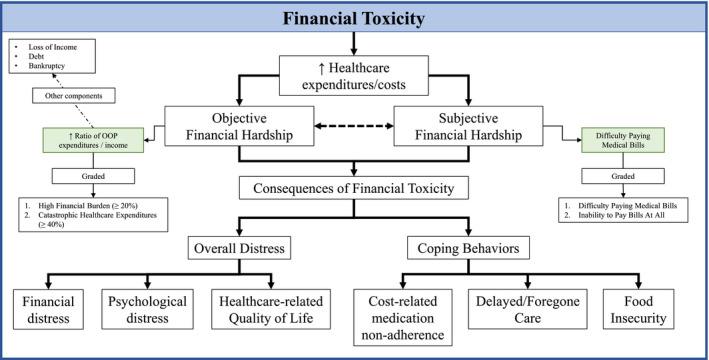
Atherosclerotic cardiovascular disease (ASCVD) has posed an increasing burden on Americans and the United States healthcare system for decades. In addition, ASCVD has had a substantial economic impact, with national expenditures for ASCVD projected to increase by over 2.5-fold from 2015 to 2035. This rapid increase in costs associated with health care for ASCVD has consequences for payers, healthcare providers, and patients. The issues to patients are particularly relevant in recent years, with a growing trend of shifting costs of treatment expenses to patients in various forms, such as high deductibles, copays, and coinsurance. Therefore, the issue of financial toxicity" of health care is gaining significant attention. The term encapsulates the deleterious impact of healthcare expenditures for patients. This includes the economic burden posed by healthcare costs, but also the unintended consequences it creates in form of barriers to necessary medical care, quality of life as well tradeoffs related to non-health-related necessities. While the societal impact of rising costs related to ASCVD management have been actively studied and debated in policy circles, there is lack of a comprehensive assessment of the current literature on the financial impact of cost sharing for ASCVD patients and their families. In this review we systematically describe the scope and domains of financial toxicity, the instruments that measure various facets of healthcare-related financial toxicity, and accentuating factors and consequences on patient health and well-being. We further identify avenues and potential solutions for clinicians to apply in medical practice to mitigate the burden and consequences of out-of-pocket costs for ASCVD patients and their families.
动脉粥样硬化性心血管疾病(ASCVD)几十年来一直给美国人及其医疗保健系统带来越来越大的负担。此外,ASCVD 还造成了巨大的经济影响,预计从 2015 年到 2035 年,用于 ASCVD 的国家支出将增加 2.5 倍以上。与 ASCVD 相关的医疗保健成本的这种快速增长给支付方、医疗保健提供者和患者带来了后果。近年来,与患者相关的问题尤为重要,各种形式的治疗费用向患者转移的趋势日益明显,如高免赔额、共付额和自付额。因此,"医疗保健的财务毒性"问题引起了人们的高度关注。这个术语概括了医疗保健支出对患者的有害影响。这不仅包括医疗费用带来的经济负担,还包括它在医疗保健方面制造障碍、降低生活质量以及在非健康相关必需品方面做出权衡等意想不到的后果。虽然 ASCVD 管理相关成本上升对社会的影响在政策圈中得到了积极研究和辩论,但缺乏对 ASCVD 患者及其家庭的成本共担的财务影响的现有文献的全面评估。在这篇综述中,我们系统地描述了财务毒性的范围和领域、衡量与医疗相关的财务毒性各个方面的工具,以及强调了对患者健康和福祉的影响因素和后果。我们还确定了临床医生在医疗实践中应用的途径和潜在解决方案,以减轻 ASCVD 患者及其家庭自付费用的负担和后果。


 Zotero 插件