
糖原合酶激酶-3β参与胰腺癌对吉西他滨的获得性耐药。
Glycogen synthase kinase-3β participates in acquired resistance to gemcitabine in pancreatic cancer.
机构信息
Division of Translational and Clinical Oncology, Cancer Research Institute, Kanazawa University, Kanazawa, Japan.
Department of Gastroenterological Surgery, Graduate School of Medical Sciences, Kanazawa University, Kanazawa, Japan.
出版信息
Cancer Sci. 2020 Dec;111(12):4405-4416. doi: 10.1111/cas.14668. Epub 2020 Oct 12.
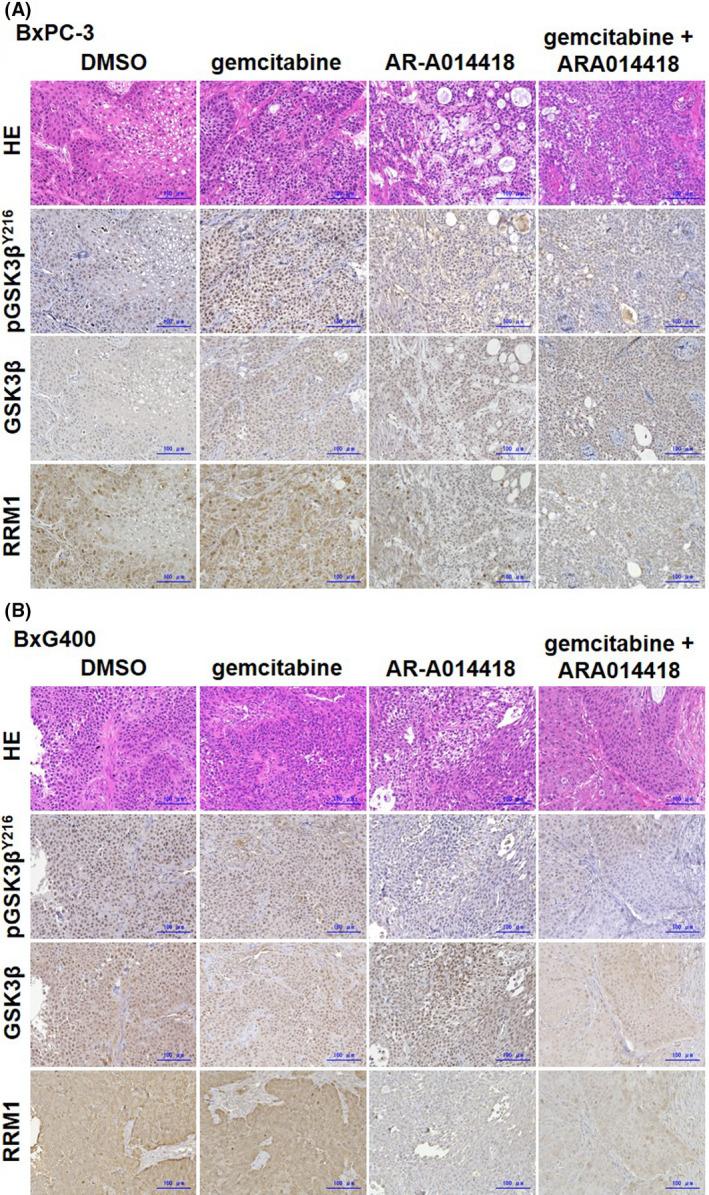
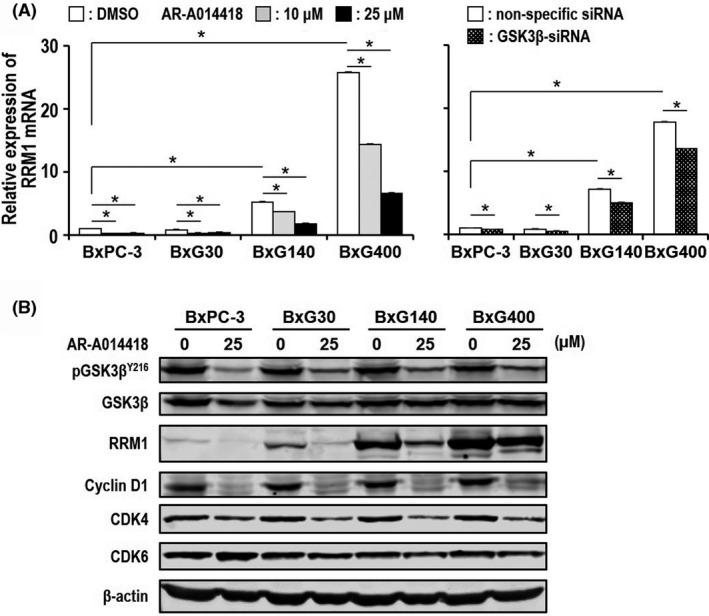
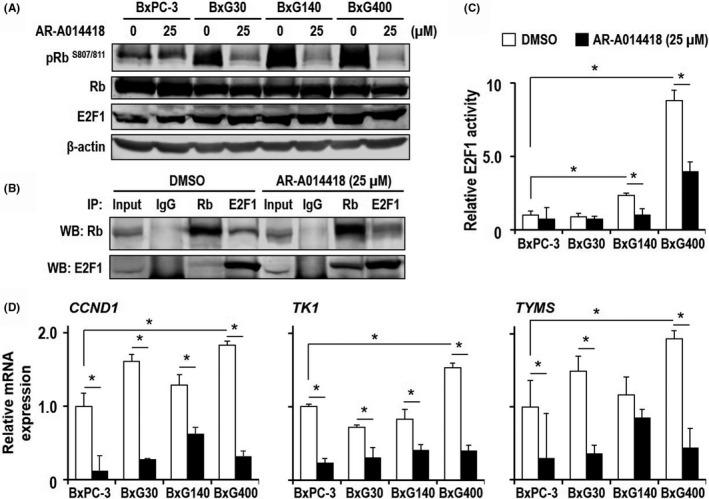
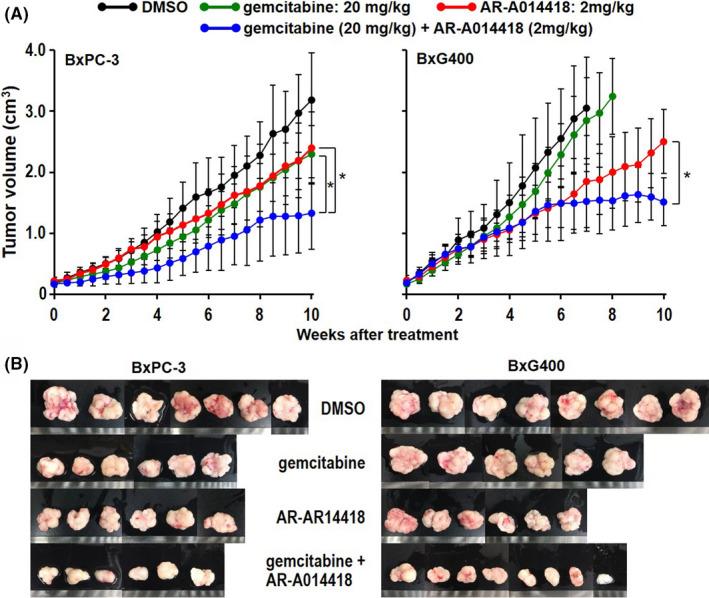
Acquisition of resistance to gemcitabine is a challenging clinical and biological hallmark property of refractory pancreatic cancer. Here, we investigated whether glycogen synthase kinase (GSK)-3β, an emerging therapeutic target in various cancer types, is mechanistically involved in acquired resistance to gemcitabine in human pancreatic cancer. This study included 3 gemcitabine-sensitive BxPC-3 cell-derived clones (BxG30, BxG140, BxG400) that acquired stepwise resistance to gemcitabine and overexpressed ribonucleotide reductase (RR)M1. Treatment with GSK3β-specific inhibitor alone attenuated the viability and proliferation of the gemcitabine-resistant clones, while synergistically enhancing the efficacy of gemcitabine against these clones and their xenograft tumors in rodents. The gemcitabine-resensitizing effect of GSK3β inhibition was associated with decreased expression of RRM1, reduced phosphorylation of Rb protein, and restored binding of Rb to the E2 transcription factor (E2F)1. This was followed by decreased E2F1 transcriptional activity, which ultimately suppressed the expression of E2F1 transcriptional targets including RRM1, CCND1 encoding cyclin D1, thymidylate synthase, and thymidine kinase 1. These results suggested that GSK3β participates in the acquisition of gemcitabine resistance by pancreatic cancer cells via impairment of the functional interaction between Rb tumor suppressor protein and E2F1 pro-oncogenic transcription factor, thereby highlighting GSK3β as a promising target in refractory pancreatic cancer. By providing insight into the molecular mechanism of gemcitabine resistance, this study identified a potentially novel strategy for pancreatic cancer chemotherapy.
获得对吉西他滨的耐药性是难治性胰腺癌的一个具有挑战性的临床和生物学标志特征。在这里,我们研究了糖原合酶激酶 (GSK)-3β 是否在机制上参与了人胰腺癌细胞对吉西他滨的获得性耐药。本研究包括 3 个吉西他滨敏感的 BxPC-3 细胞衍生克隆(BxG30、BxG140、BxG400),它们对吉西他滨逐步获得耐药性,并过度表达核核苷酸还原酶(RR)M1。单独使用 GSK3β 特异性抑制剂治疗可减弱吉西他滨耐药克隆的活力和增殖,同时协同增强吉西他滨对这些克隆及其在啮齿动物中的异种移植肿瘤的疗效。GSK3β 抑制对吉西他滨的再敏化作用与 RRM1 表达降低、Rb 蛋白磷酸化减少以及 Rb 与 E2 转录因子(E2F)1 的结合恢复有关。随后,E2F1 转录活性降低,最终抑制包括 RRM1、编码细胞周期蛋白 D1 的 CCND1、胸苷酸合成酶和胸苷激酶 1 在内的 E2F1 转录靶基因的表达。这些结果表明,GSK3β 通过破坏 Rb 肿瘤抑制蛋白和 E2F1 原癌转录因子之间的功能相互作用,参与胰腺癌细胞对吉西他滨耐药性的获得,从而突出了 GSK3β 作为难治性胰腺癌的一个有前途的靶点。通过深入了解吉西他滨耐药性的分子机制,本研究为胰腺癌化疗提供了一种潜在的新策略。


 Zotero 插件