
使用过氧乙酸室内消毒系统对 N95 过滤式面罩呼吸器进行可扩展的院内消毒。
Scalable in-hospital decontamination of N95 filtering face-piece respirator with a peracetic acid room disinfection system.
机构信息
Department of Medicine, University Hospitals Cleveland Medical Center, Cleveland, Ohio.
Research Service, Louis Stokes Cleveland VA Medical Center, Cleveland, Ohio.
出版信息
Infect Control Hosp Epidemiol. 2021 Jun;42(6):678-687. doi: 10.1017/ice.2020.1257. Epub 2020 Oct 12.
BACKGROUND
Critical shortages of personal protective equipment, especially N95 respirators, during the coronavirus disease 2019 (COVID-19) pandemic continues to be a source of concern. Novel methods of N95 filtering face-piece respirator decontamination that can be scaled-up for in-hospital use can help address this concern and keep healthcare workers (HCWs) safe.
METHODS
A multidisciplinary pragmatic study was conducted to evaluate the use of an ultrasonic room high-level disinfection system (HLDS) that generates aerosolized peracetic acid (PAA) and hydrogen peroxide for decontamination of large numbers of N95 respirators. A cycle duration that consistently achieved disinfection of N95 respirators (defined as ≥6 log10 reductions in bacteriophage MS2 and Geobacillus stearothermophilus spores inoculated onto respirators) was identified. The treated masks were assessed for changes to their hydrophobicity, material structure, strap elasticity, and filtration efficiency. PAA and hydrogen peroxide off-gassing from treated masks were also assessed.
RESULTS
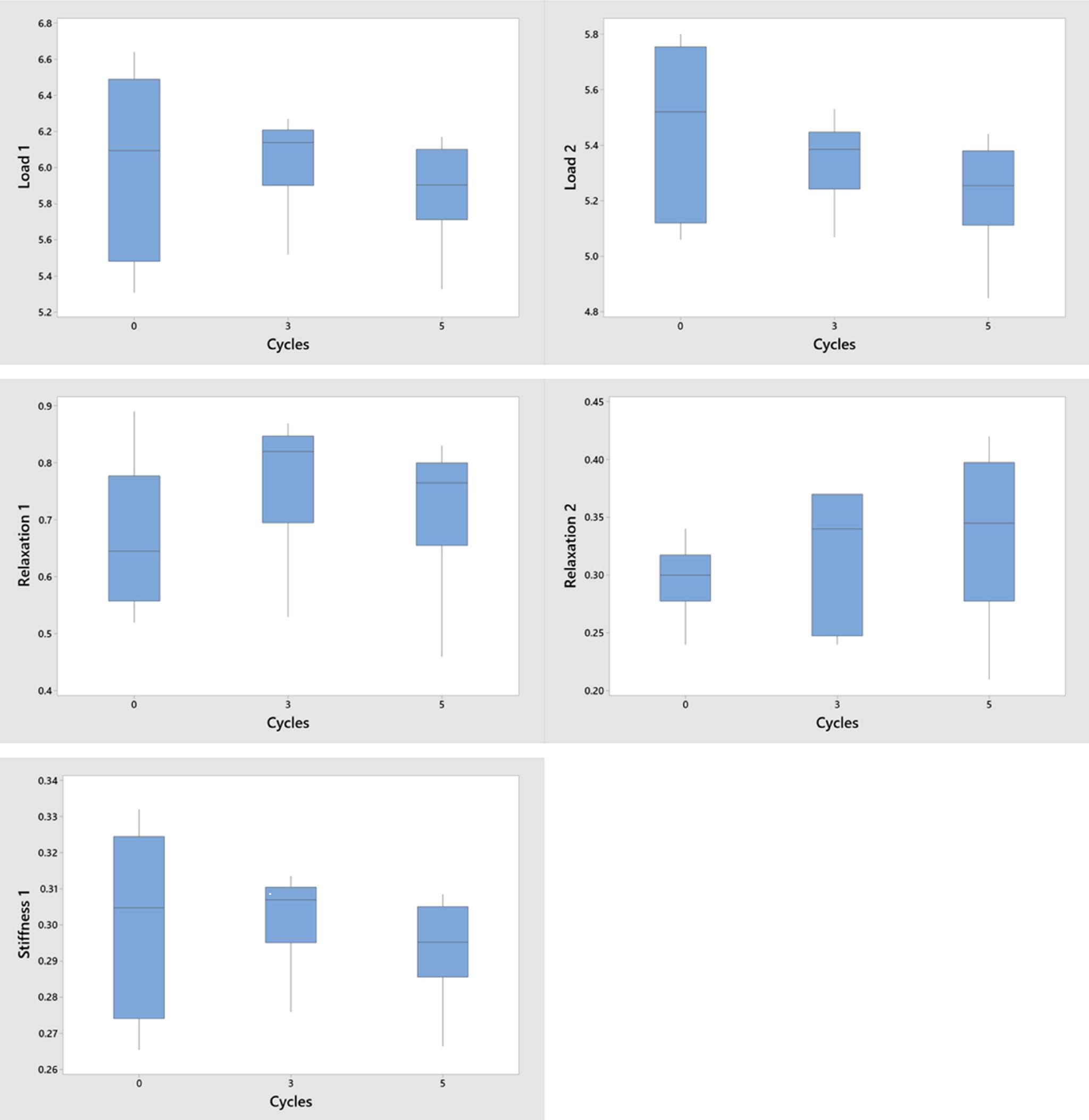
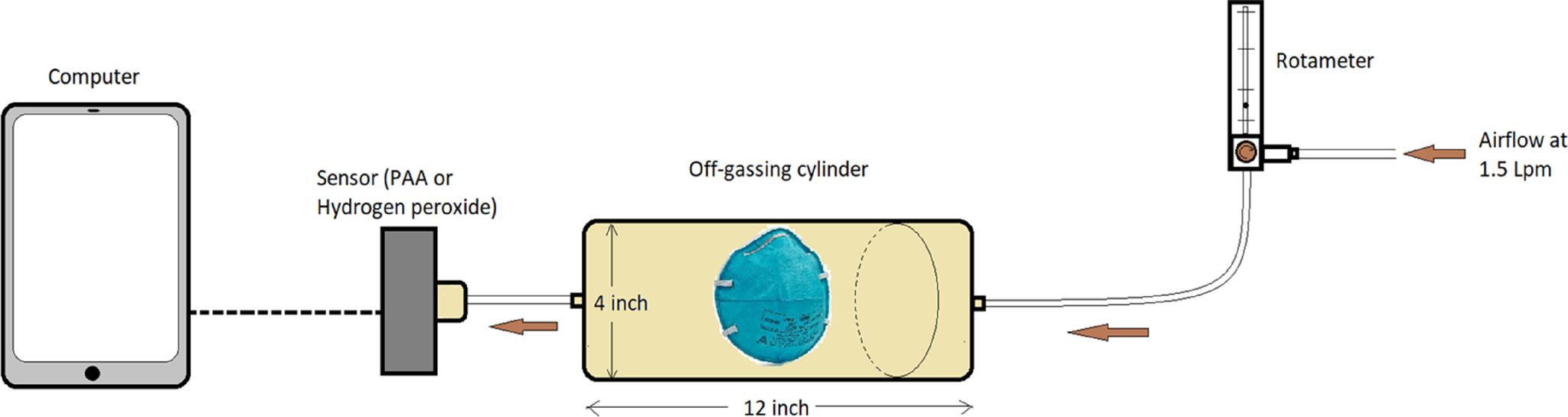
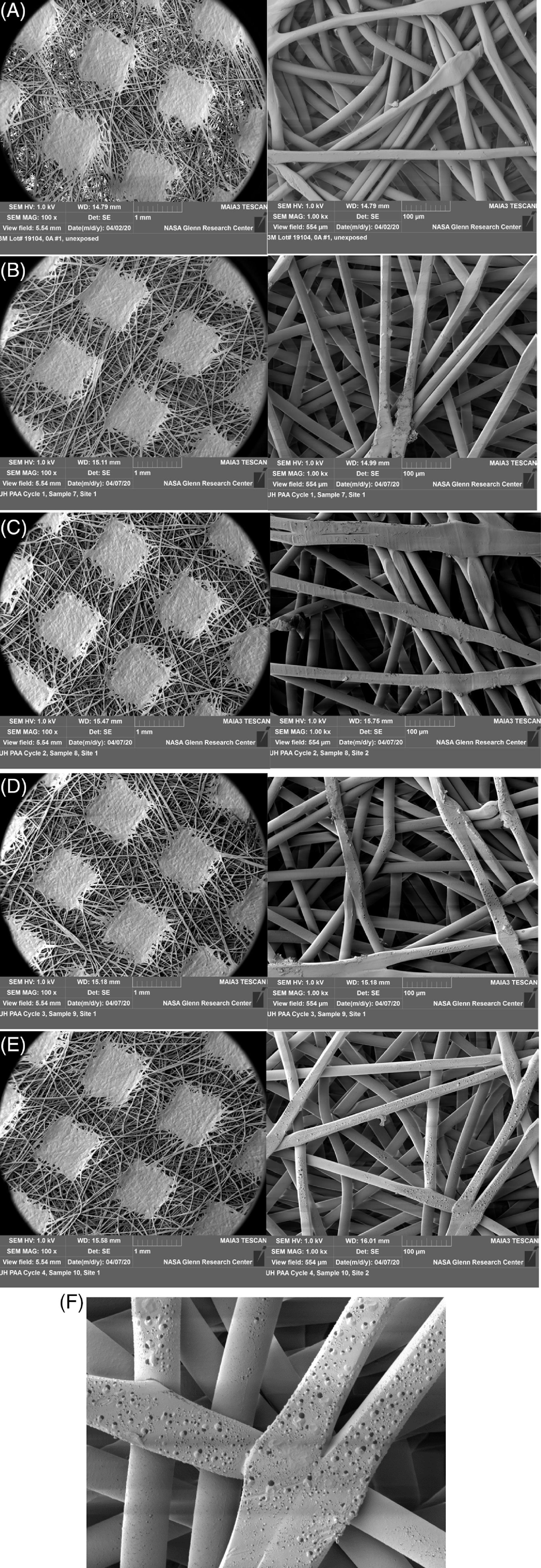
The PAA room HLDS was effective for disinfection of bacteriophage MS2 and G. stearothermophilus spores on respirators in a 2,447 cubic-foot (69.6 cubic-meter) room with an aerosol deployment time of 16 minutes and a dwell time of 32 minutes. The total cycle time was 1 hour and 16 minutes. After 5 treatment cycles, no adverse effects were detected on filtration efficiency, structural integrity, or strap elasticity. There was no detectable off-gassing of PAA and hydrogen peroxide from the treated masks at 20 and 60 minutes after the disinfection cycle, respectively.
CONCLUSION
The PAA room disinfection system provides a rapidly scalable solution for in-hospital decontamination of large numbers of N95 respirators during the COVID-19 pandemic.
背景
在 2019 冠状病毒病(COVID-19)大流行期间,个人防护设备(尤其是 N95 呼吸器)严重短缺,这仍然是人们关注的一个问题。可以扩大规模用于医院内使用的新型 N95 过滤面式呼吸器消毒方法可以解决这一问题,确保医护人员的安全。
方法
进行了一项多学科实用研究,以评估使用超声室内高级别消毒系统(HLDS)对大量 N95 呼吸器进行消毒的效果,该系统产生雾化过氧乙酸(PAA)和过氧化氢。确定了一致实现 N95 呼吸器消毒的循环持续时间(定义为接种到呼吸器上的噬菌体 MS2 和嗜热脂肪芽孢杆菌孢子减少≥6 log10)。对处理后的口罩的疏水性、材料结构、带弹性和过滤效率进行了评估。还评估了处理后的口罩中 PAA 和过氧化氢的逸出情况。
结果
PAA 室 HLDS 可有效对 2447 立方英尺(69.6 立方米)房间内的噬菌体 MS2 和嗜热脂肪芽孢杆菌孢子进行消毒,气溶胶投放时间为 16 分钟,停留时间为 32 分钟。总循环时间为 1 小时 16 分钟。经过 5 个处理周期,未发现过滤效率、结构完整性或表带弹性有任何不良影响。在消毒周期后分别在 20 分钟和 60 分钟时,处理后的口罩中未检测到 PAA 和过氧化氢的逸出。
结论
在 2019 冠状病毒病大流行期间,PAA 室消毒系统为医院内大量 N95 呼吸器的消毒提供了一种快速可扩展的解决方案。


 Zotero 插件