
大鼠表观遗传钟再现表型衰老,并与异染色质共定位。
A rat epigenetic clock recapitulates phenotypic aging and co-localizes with heterochromatin.
机构信息
Department of Pathology, Yale University School of Medicine, New Haven, United States.
Program in Computational Biology and Bioinformatics, Yale University, New Haven, United States.
出版信息
Elife. 2020 Nov 12;9:e59201. doi: 10.7554/eLife.59201.
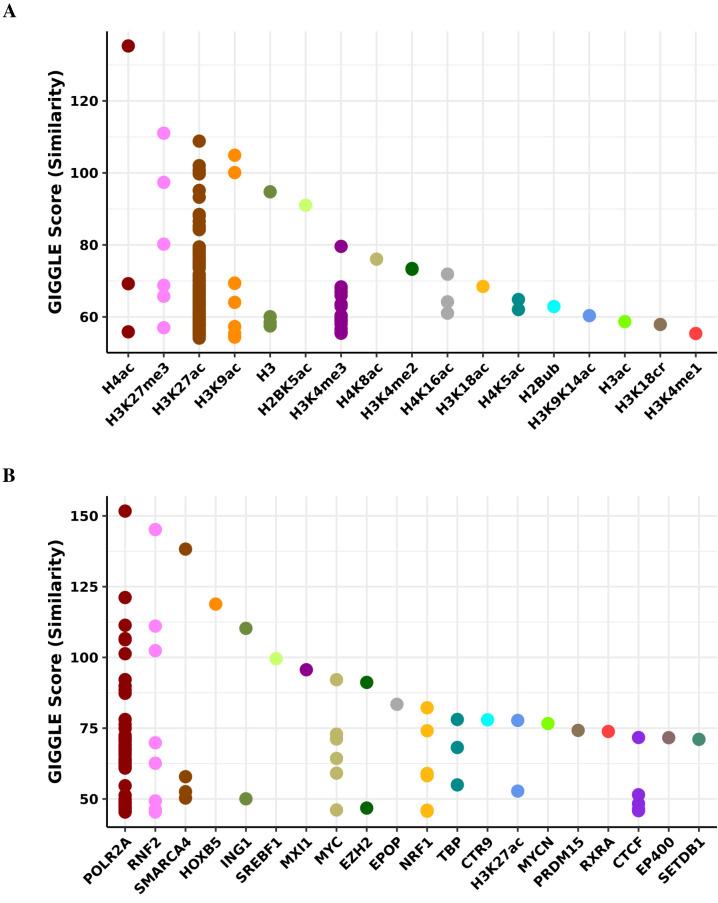
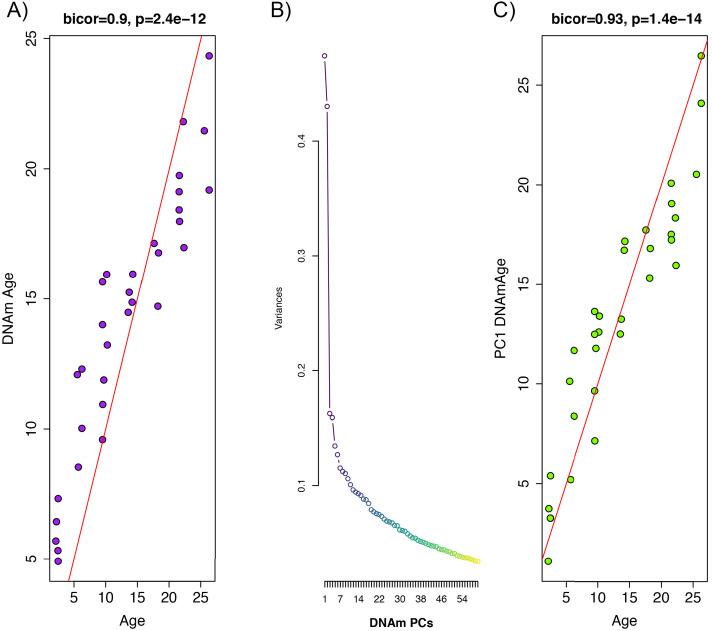
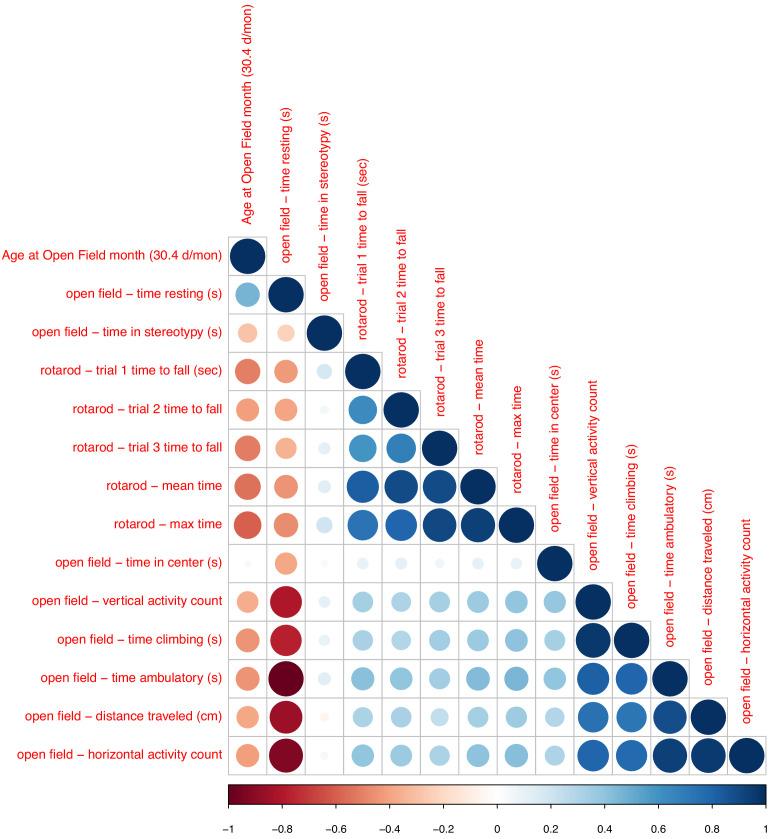
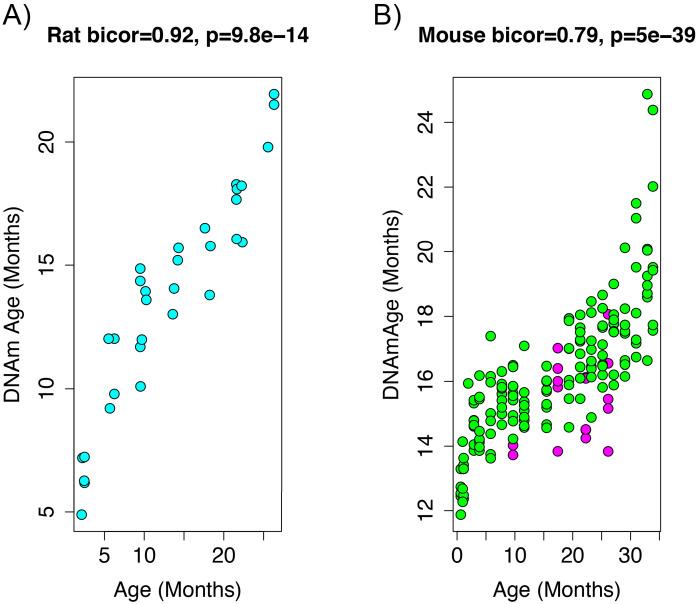
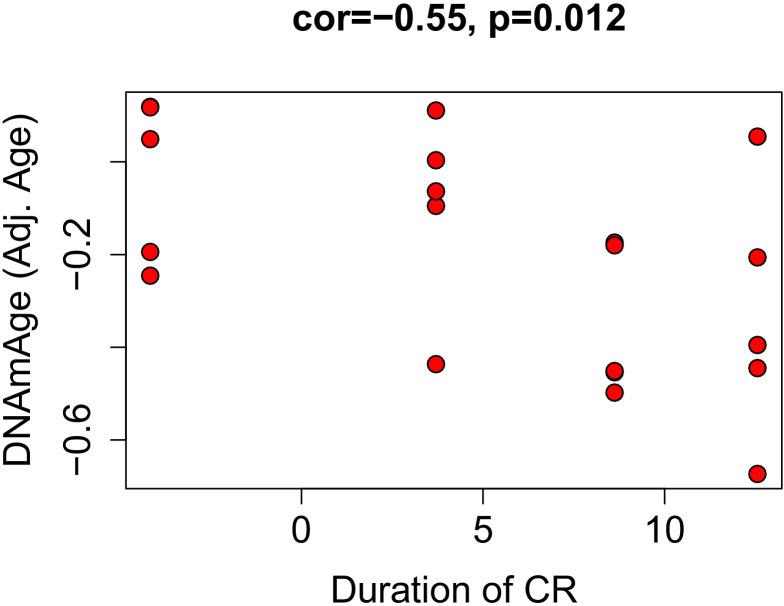
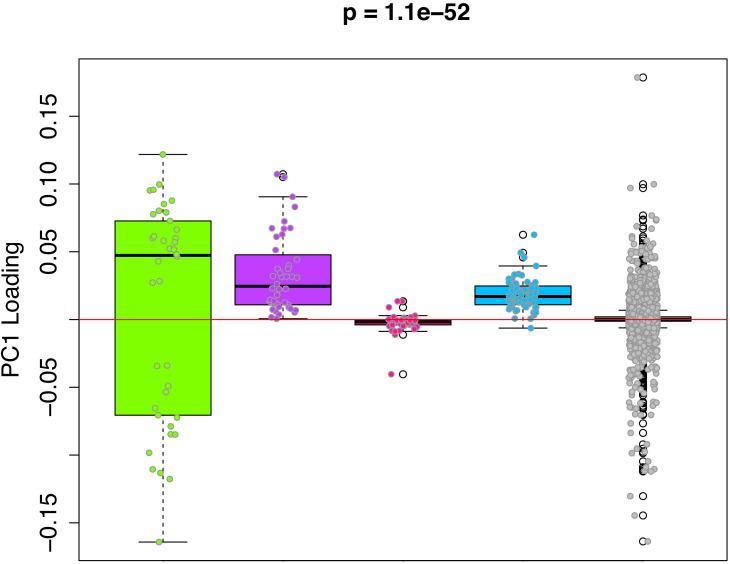
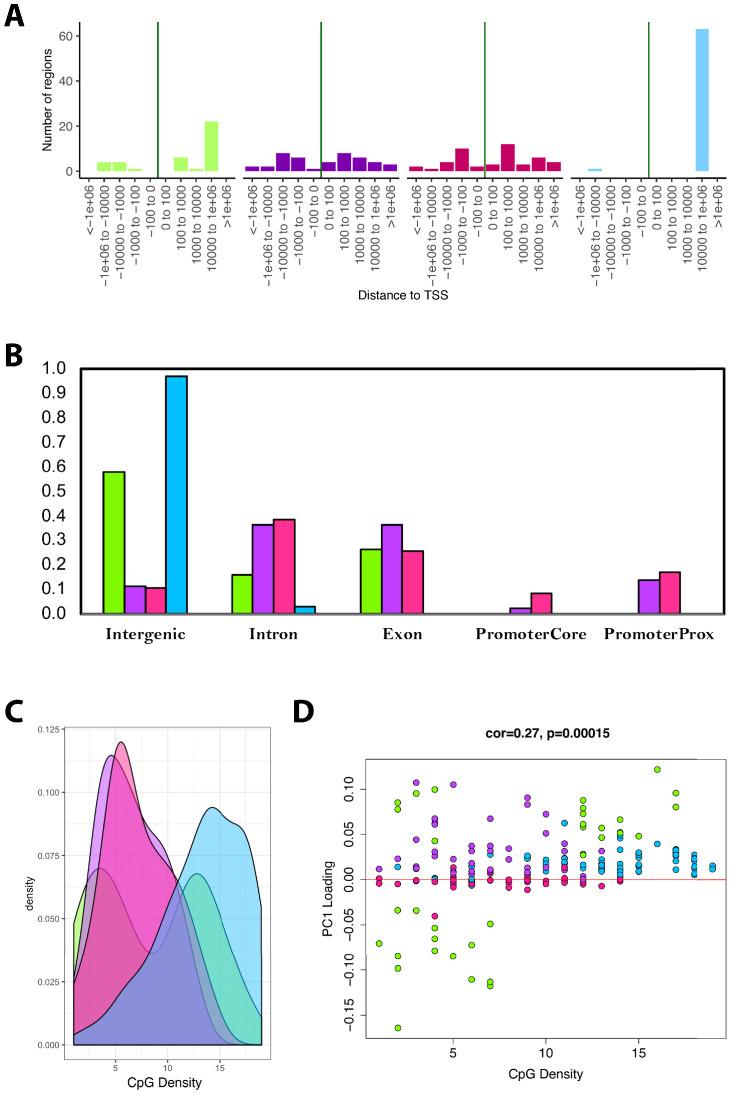
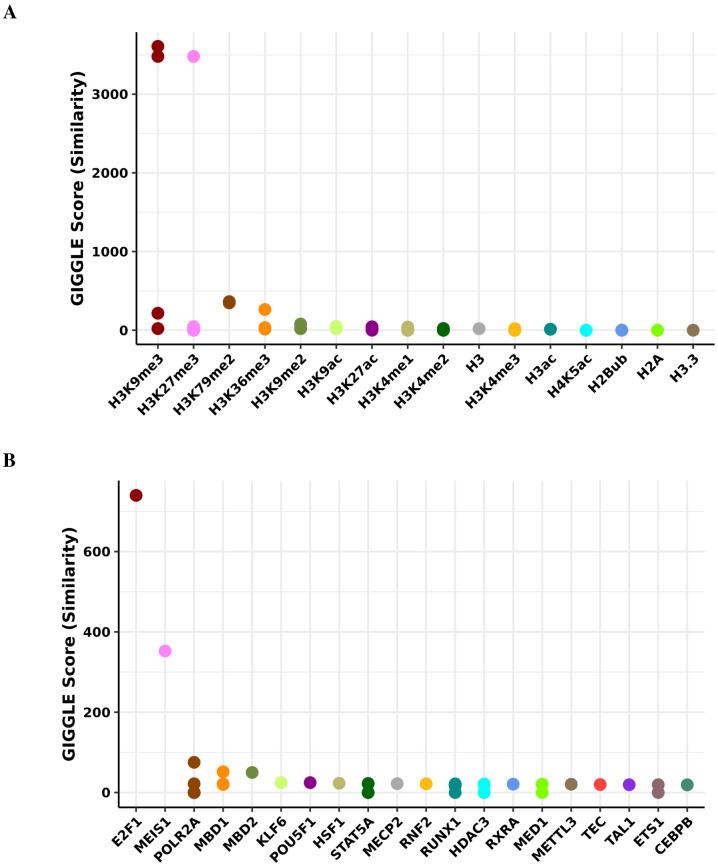
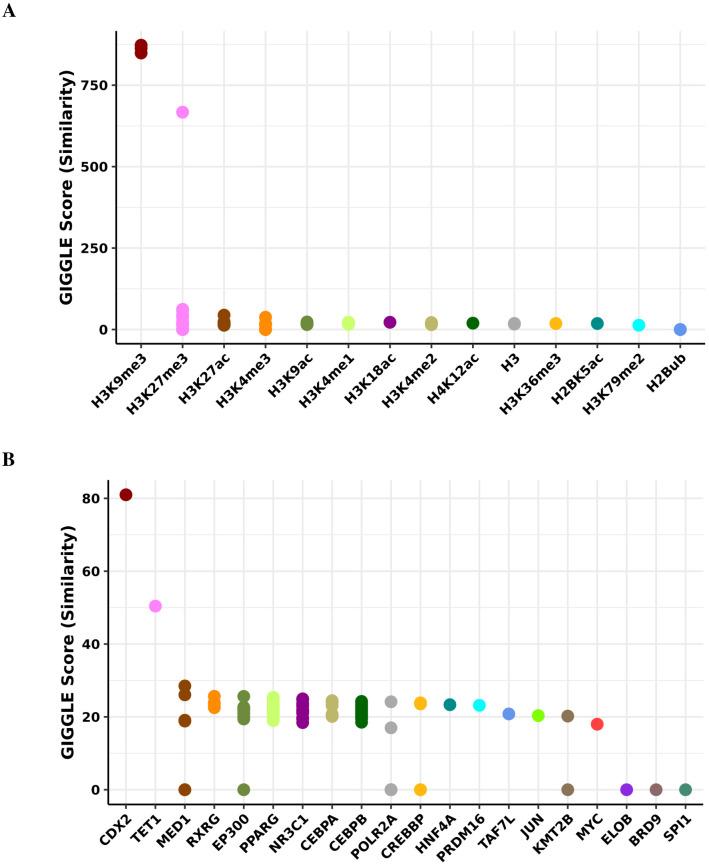
Robust biomarkers of aging have been developed from DNA methylation in humans and more recently, in mice. This study aimed to generate a novel epigenetic clock in rats-a model with unique physical, physiological, and biochemical advantages-by incorporating behavioral data, unsupervised machine learning, and network analysis to identify epigenetic signals that not only track with age, but also relates to phenotypic aging. Reduced representation bisulfite sequencing (RRBS) data was used to train an epigenetic age (DNAmAge) measure in Fischer 344 CDF (F344) rats. This measure correlated with age at (r = 0.93) in an independent sample, and related to physical functioning (p=5.9e-3), after adjusting for age and cell counts. DNAmAge was also found to correlate with age in male C57BL/6 mice (r = 0.79), and was decreased in response to caloric restriction. Our signatures driven by CpGs in intergenic regions that showed substantial overlap with H3K9me3, H3K27me3, and E2F1 transcriptional factor binding.
已从人类的 DNA 甲基化以及最近的小鼠中开发出了强大的衰老生物标志物。本研究旨在通过纳入行为数据、无监督机器学习和网络分析,为大鼠(一种具有独特的物理、生理和生化优势的模型)生成一个新的表观遗传时钟,以识别不仅与年龄相关,而且与表型衰老相关的表观遗传信号。使用简化代表性亚硫酸氢盐测序 (RRBS) 数据来训练 Fischer 344 CDF (F344) 大鼠的表观遗传年龄 (DNAmAge) 测量值。该测量值与独立样本中的年龄相关(r = 0.93),并在调整年龄和细胞计数后与身体功能相关(p=5.9e-3)。在雄性 C57BL/6 小鼠中,DNAmAge 也与年龄相关(r = 0.79),并且在响应热量限制时降低。我们的特征签名由基因间区域的 CpG 驱动,这些 CpG 与 H3K9me3、H3K27me3 和 E2F1 转录因子结合有显著重叠。




 Zotero 插件