
选定的用于传统乳腺癌治疗的埃塞俄比亚药用植物的溶剂级分在乳腺癌细胞系中抑制癌症干细胞。
Solvent fractions of selected Ethiopian medicinal plants used in traditional breast cancer treatment inhibit cancer stem cells in a breast cancer cell line.
机构信息
Department of Microbial, Cellular and Molecular Biology, College of Natural and Computational Sciences, Addis Ababa University, Addis Ababa, Ethiopia.
Armauer Hansen Research Institute (AHRI), Addis Ababa, Ethiopia.
出版信息
BMC Complement Med Ther. 2020 Nov 25;20(1):366. doi: 10.1186/s12906-020-03154-5.
BACKGROUND
The incidence and mortality of breast cancer in women is increasing worldwide. Breast cancer contains a subpopulation of cells known as cancer stem cells (CSCs). The CSCs are believed to be responsible for chemotherapeutic resistance and are also involved in tumor initiation, progression, evolution, and metastasis to distant sites. The present study aimed to investigate the anti-CSC potential of selected Ethiopian medicinal plants traditionally used for breast cancer treatment.
METHODS
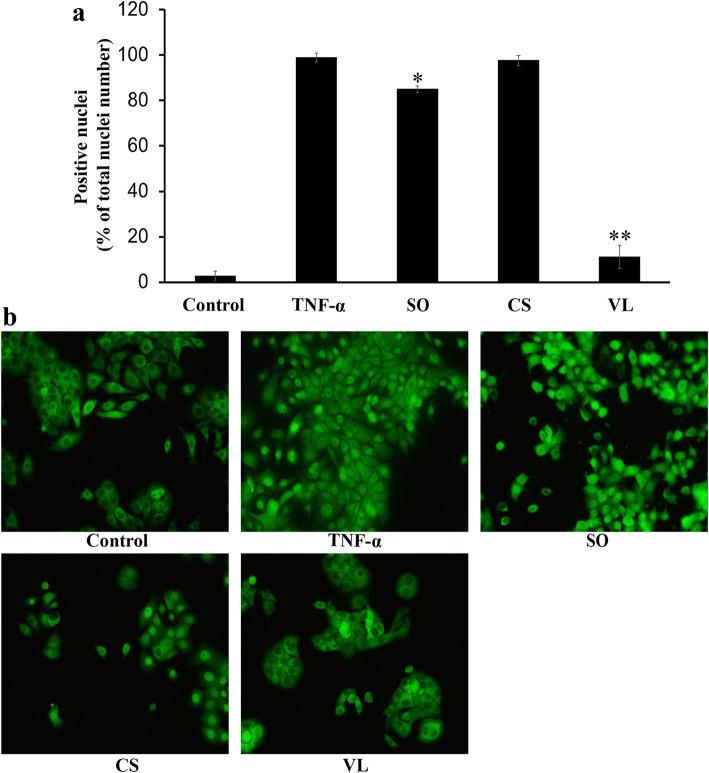
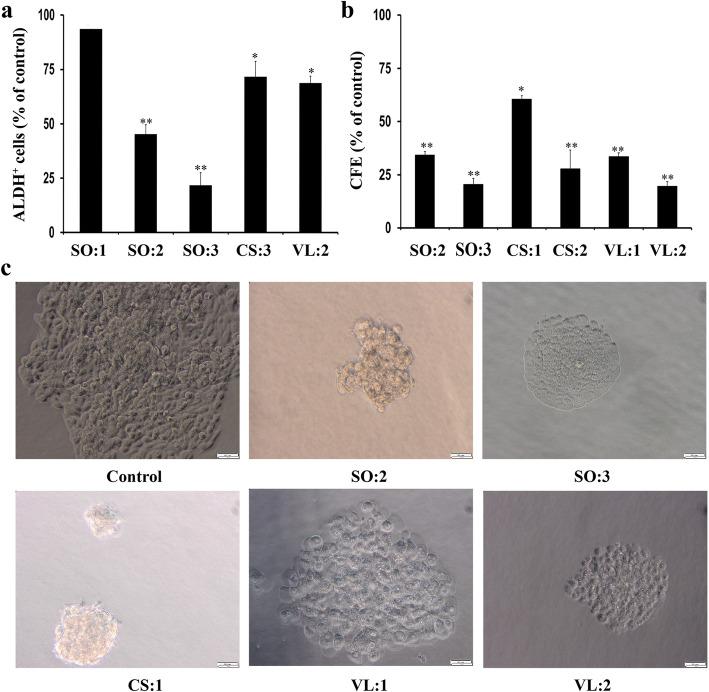
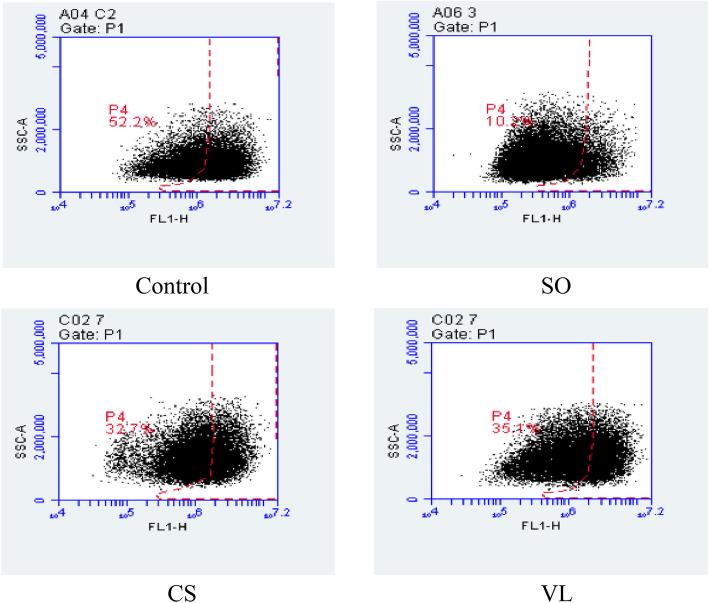
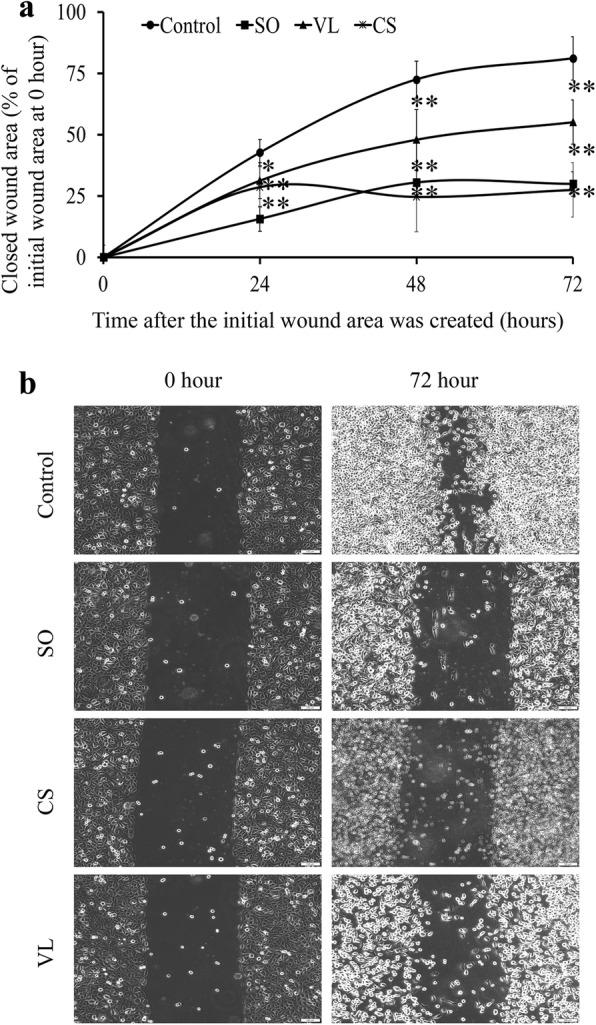
The solvent fractions of three medicinal plants (the ethyl acetate fraction of Vernonia leopoldi, the aqueous fraction of Sideroxylon oxyacanthum, and the chloroform fraction of Clematis simensis) resulting from the methanolic crude extracts were selected based on their previously demonstrated cytotoxic effects on breast cancer cell lines. The effect of these solvent fractions on the status of the cancer stem cell subpopulation of the JIMT-1 cell line was assessed by flow cytometric evaluation of the proportion of aldehyde dehydrogenase positive cells and by measuring colony forming efficiency in a serum-free soft agar assay after treatment. Effects on cell migration using a wound healing assay and on tumor necrosis factor-α-induced translocation of nuclear factor-kappa B to the cell nucleus were also investigated.
RESULTS
The solvent fractions showed a dose-dependent reduction in the aldehyde dehydrogenase positive subpopulation of JIMT-1 cells. The chloroform fraction of C. simensis (80 μg/mL) completely blocked colony formation of JIMT-1 cells. The wound healing assay showed that all fractions significantly reduced cell migration. The ethyl acetate fraction of V. leopoldi (0.87 μg/mL) significantly inhibited tumor necrosis factor-α-induced nuclear factor-kappa B translocation to the nucleus.
CONCLUSION
The solvent fractions of the medicinal plants showed desirable activities against breast cancer stem cells in the JIMT-1 cell line, which warrants further studies.
背景
全球范围内,女性乳腺癌的发病率和死亡率正在上升。乳腺癌包含一类被称为癌症干细胞(CSC)的细胞亚群。CSC 被认为是导致化疗耐药的原因,并且还参与肿瘤的起始、进展、演变以及转移到远处部位。本研究旨在探究三种传统用于乳腺癌治疗的埃塞俄比亚药用植物的溶剂提取物对 CSC 的抑制作用。
方法
根据之前对乳腺癌细胞系的细胞毒性实验结果,选择三种药用植物( Vernonia leopoldi 的乙酸乙酯部分、Sideroxylon oxyacanthum 的水部分和 Clematis simensis 的氯仿部分)的溶剂提取物进行实验。通过流式细胞术评估醛脱氢酶阳性细胞的比例和在无血清软琼脂测定中评估集落形成效率,评估这些溶剂提取物对 JIMT-1 细胞系中癌症干细胞亚群状态的影响。还研究了它们对细胞迁移的影响(通过划痕愈合试验)和肿瘤坏死因子-α诱导核因子-κB 向细胞核易位的影响。
结果
溶剂提取物呈剂量依赖性降低 JIMT-1 细胞中醛脱氢酶阳性亚群的比例。C. simensis 的氯仿部分(80μg/mL)完全阻断 JIMT-1 细胞的集落形成。划痕愈合试验表明所有部分均显著减少细胞迁移。V. leopoldi 的乙酸乙酯部分(0.87μg/mL)显著抑制肿瘤坏死因子-α诱导的核因子-κB 向细胞核易位。
结论
药用植物的溶剂提取物对 JIMT-1 细胞系中的乳腺癌干细胞表现出良好的活性,值得进一步研究。
 Zotero 插件