
米糠和维生素 B6 作为新型 HIF 抑制剂抑制年龄相关性黄斑变性小鼠模型中的病理性血管生成。
Rice Bran and Vitamin B6 Suppress Pathological Neovascularization in a Murine Model of Age-Related Macular Degeneration as Novel HIF Inhibitors.
机构信息
Laboratory of Photobiology, Keio University School of Medicine, Tokyo 160-8582, Japan.
Department of Ophthalmology, Keio University School of Medicine, Tokyo 160-8582, Japan.
出版信息
Int J Mol Sci. 2020 Nov 25;21(23):8940. doi: 10.3390/ijms21238940.
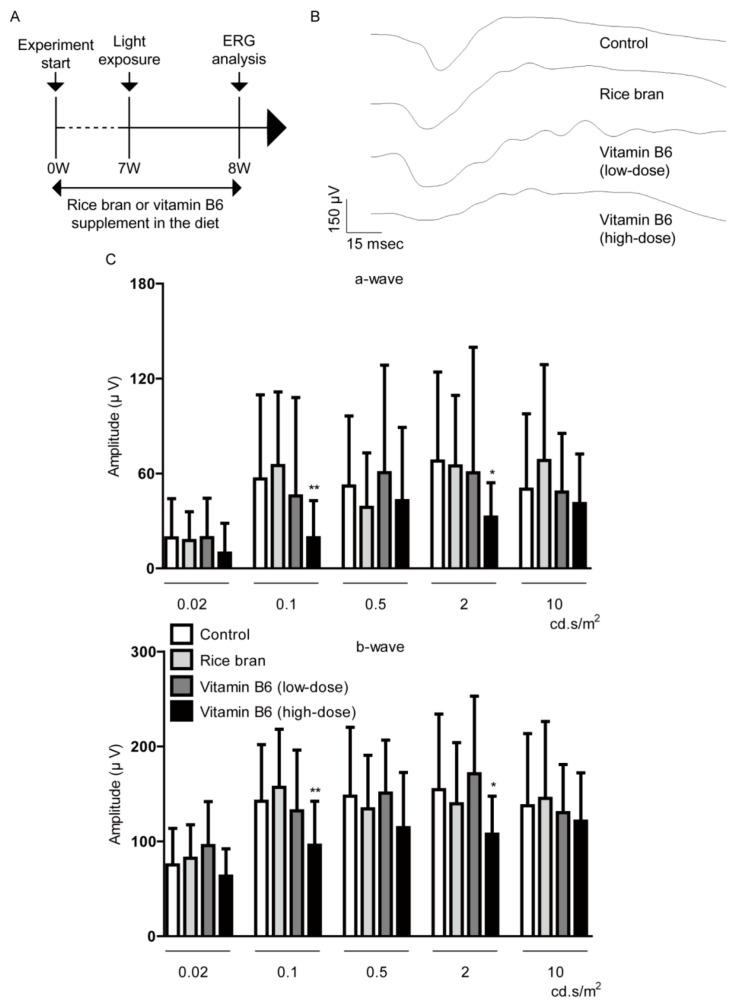
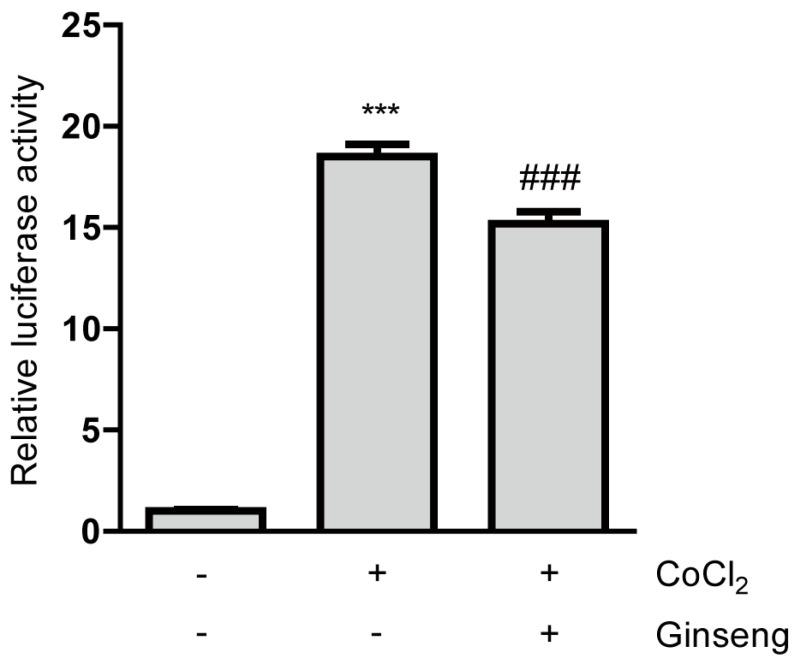
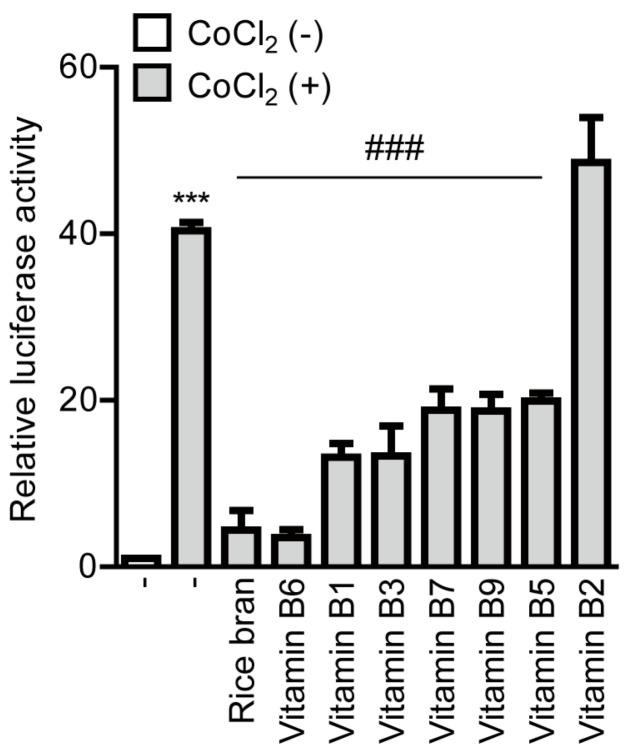
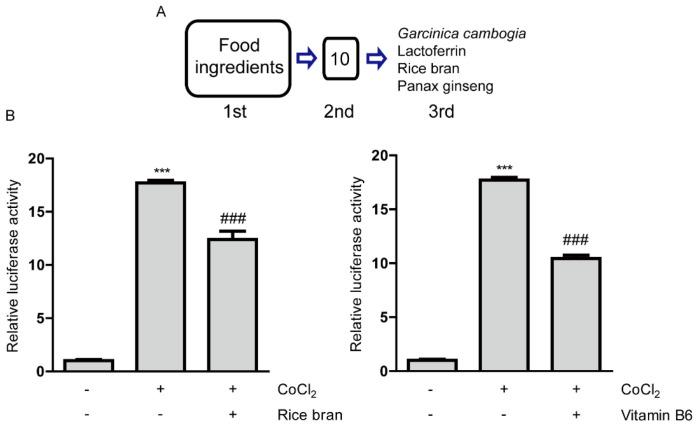
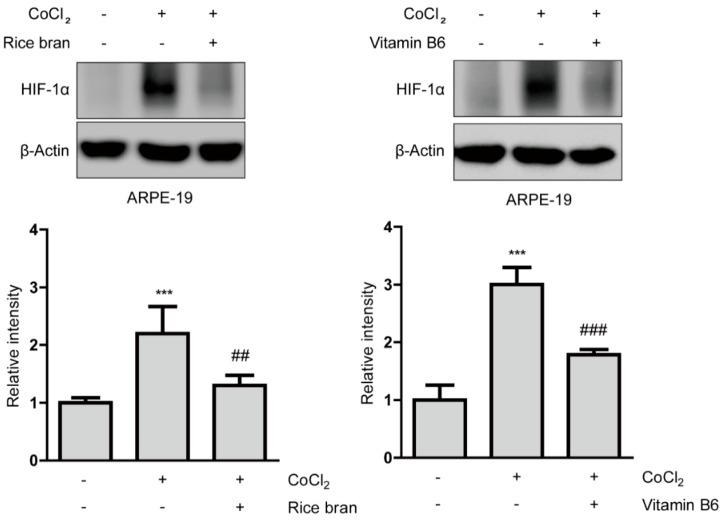
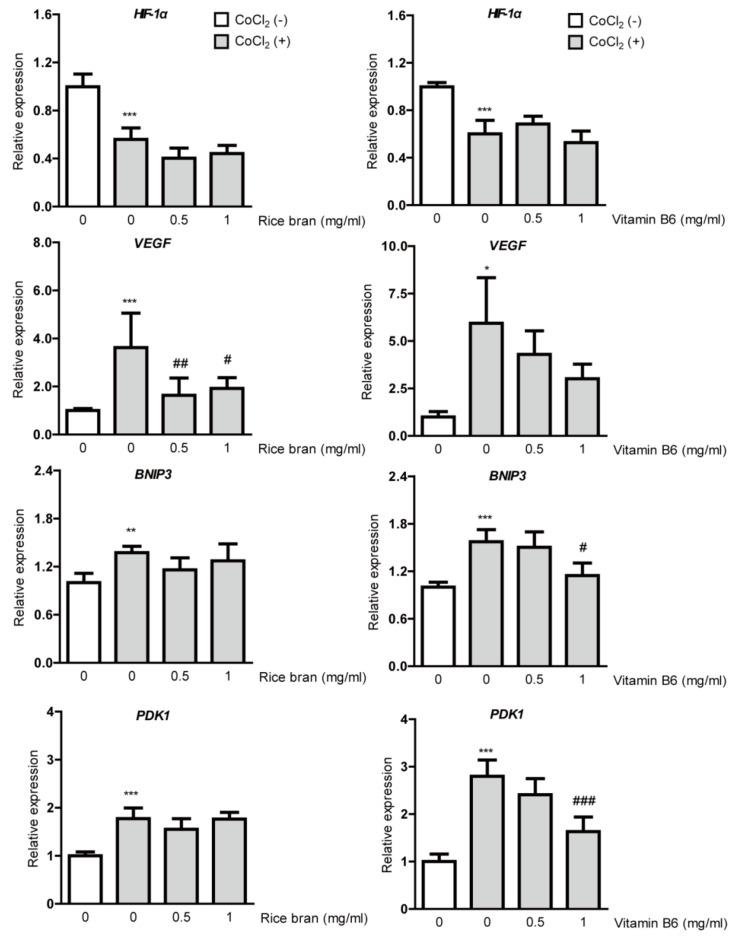
Pathological neovascularization in the eye is a leading cause of blindness in all age groups from retinopathy of prematurity (ROP) in children to age-related macular degeneration (AMD) in the elderly. Inhibiting neovascularization via antivascular endothelial growth factor (VEGF) drugs has been used for the effective treatment. However, anti-VEGF therapies may cause development of chorioretinal atrophy as they affect a physiological amount of VEGF essential for retinal homeostasis. Furthermore, anti-VEGF therapies are still ineffective in some cases, especially in patients with AMD. Hypoxia-inducible factor (HIF) is a strong regulator of VEGF induction under hypoxic and other stress conditions. Our previous reports have indicated that HIF is associated with pathological retinal neovascularization in murine models of ROP and AMD, and HIF inhibition suppresses neovascularization by reducing an abnormal increase in VEGF expression. Along with this, we attempted to find novel effective HIF inhibitors from natural foods of our daily lives. Food ingredients were screened for prospective HIF inhibitors in ocular cell lines of 661W and ARPE-19, and a murine AMD model was utilized for examining suppressive effects of the ingredients on retinal neovascularization. As a result, rice bran and its component, vitamin B6 showed inhibitory effects on HIF activation and suppressed mRNA induction under a CoCl-induced pseudo-hypoxic condition. Dietary supplement of these significantly suppressed retinal neovascularization in the AMD model. These data suggest that rice bran could have promising therapeutic values in the management of pathological ocular neovascularization.
眼内病理性血管新生是导致所有年龄段人群失明的主要原因,包括早产儿视网膜病变(ROP)和老年相关性黄斑变性(AMD)。通过抗血管内皮生长因子(VEGF)药物抑制血管新生已被用于有效治疗。然而,抗 VEGF 疗法可能会导致脉络膜视网膜萎缩的发展,因为它们会影响视网膜内稳态所必需的生理量的 VEGF。此外,抗 VEGF 疗法在某些情况下仍然无效,特别是在 AMD 患者中。缺氧诱导因子(HIF)是缺氧和其他应激条件下 VEGF 诱导的强调节剂。我们之前的报告表明,HIF 与 ROP 和 AMD 小鼠模型中的病理性视网膜新生血管有关,HIF 抑制通过减少 VEGF 表达的异常增加来抑制血管新生。在此基础上,我们试图从日常生活中的天然食物中寻找新型有效的 HIF 抑制剂。在 661W 和 ARPE-19 眼细胞系中筛选食物成分作为潜在的 HIF 抑制剂,并利用小鼠 AMD 模型检查成分对视网膜新生血管的抑制作用。结果表明,米糠及其成分维生素 B6 对 CoCl 诱导的拟缺氧条件下的 HIF 激活具有抑制作用,并抑制 mRNA 的诱导。这些成分的饮食补充显著抑制了 AMD 模型中的视网膜新生血管形成。这些数据表明,米糠在病理性眼部血管新生的治疗中可能具有有前景的治疗价值。



 Zotero 插件