
HIV Tg26 杂合子小鼠中性别特异性体感和空间记忆缺陷的纵向特征。
A longitudinal characterization of sex-specific somatosensory and spatial memory deficits in HIV Tg26 heterozygous mice.
机构信息
Department of Anatomy and Cell Biology, Lewis Katz School of Medicine, Temple University, Philadelphia, PA, United States of America.
Comprehensive NeuroAIDS Center, Lewis Katz School of Medicine, Temple University, Philadelphia, PA, United States of America.
出版信息
PLoS One. 2020 Dec 31;15(12):e0244725. doi: 10.1371/journal.pone.0244725. eCollection 2020.
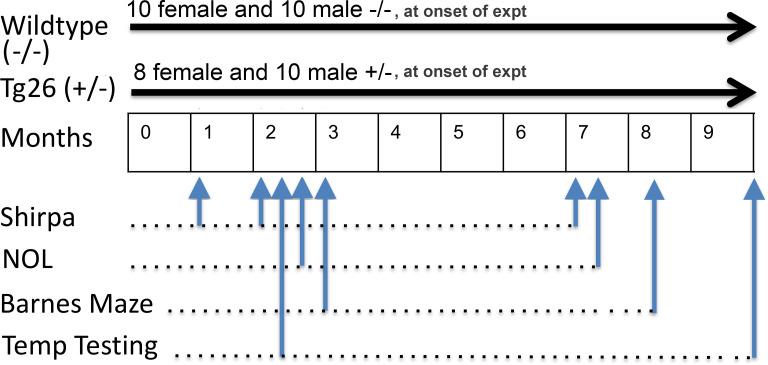
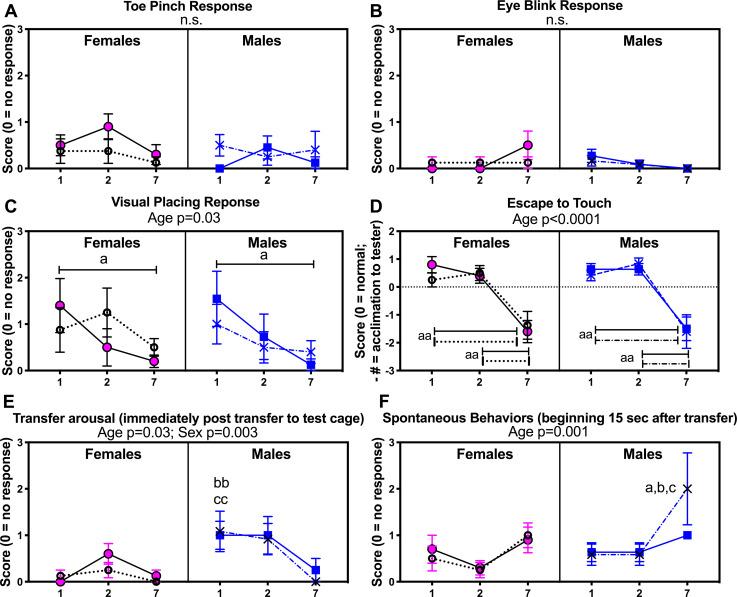
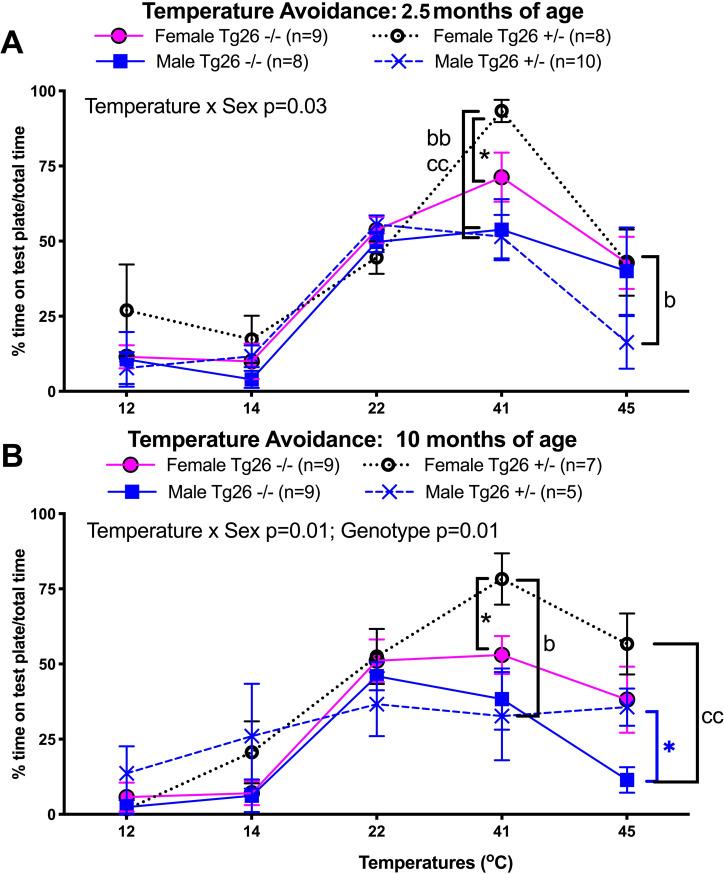
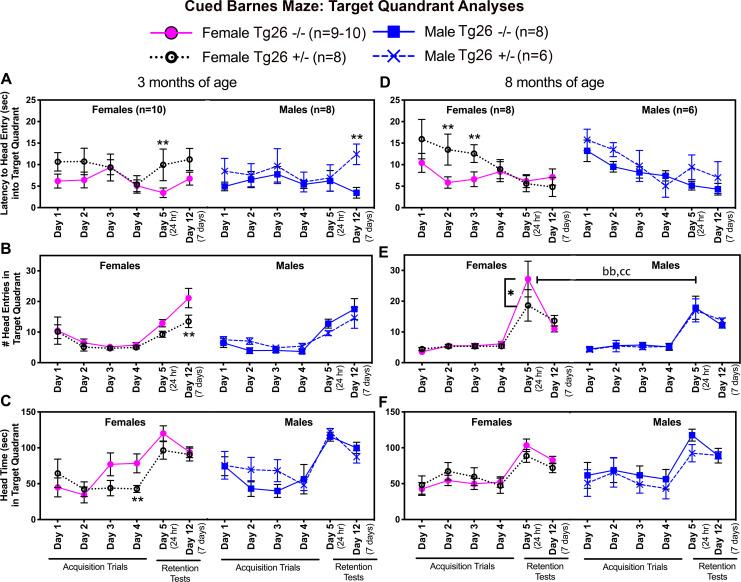
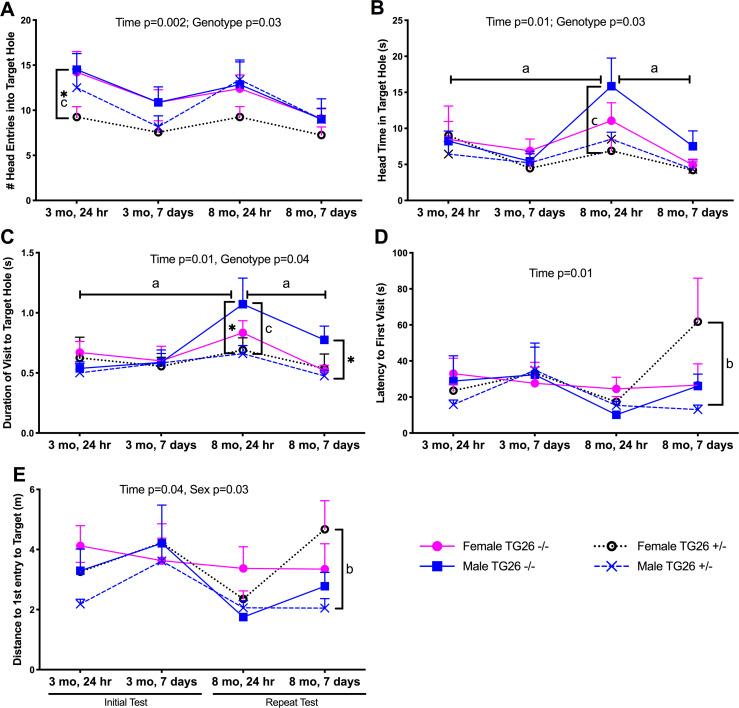
The pathogenesis of human immunodeficiency virus associated neurological disorders is still not well understood, yet is known to result in neurological declines despite combination anti-retroviral therapy. HIV-1 transgenic (Tg26) mice contain integrated non-infectious HIV-1 proviral DNA. We sought to assess the integrity of neurocognitive function and sensory systems in HIV-1 Tg26 mice using a longitudinal design, in both sexes, to examine both age- and sex-related disease progression. General neurological reflexive testing showed only acclimation to repeated testing by all groups. Yet, at 2.5 months of age, female Tg26 +/- mice showed hyposensitivity to noxious hot temperatures, compared to wild types (both sexes) and male Tg26 +/- mice, that worsened by 10 months of age. Female Tg26 +/- mice had short-term spatial memory losses in novel object location memory testing at 2.5 and 7 months, compared to female wild types; changes not observed in male counterparts. Female Tg26 +/- mice showed mild learning deficits and short- and long-term spatial memory deficits in olfactory and visually cued Barnes Maze testing at 3 months of age, yet greater learning and memory deficits by 8 months. In contrast, male Tg26 +/- mice displayed no learning deficits and fewer spatial memory deficits (mainly heading errors in nontarget holes). Thus, greater sex-specific temperature hyposensitivity and spatial memory declines were observed in female HIV Tg26 +/- mice, than in male Tg26 +/- mice, or their wild type littermates, that increased with aging. Additionally, tibial bones were examined using ex vivo micro-CT after tissue collection at 11 months. Sex-dependent increases in bone volume and trabecular number were seen in males, matching their greater weights at this age. These results indicate that HIV-1 Tg26 mice is a promising model in which to study neuropathic mechanisms underlying peripheral pathology as well as cognitive deficits seen with HIV.
人类免疫缺陷病毒相关神经障碍的发病机制仍未完全清楚,但已知尽管采用联合抗逆转录病毒疗法,仍会导致神经功能下降。HIV-1 转基因(Tg26)小鼠含有整合的非感染性 HIV-1 前病毒 DNA。我们试图使用纵向设计,在两性中评估 HIV-1 Tg26 小鼠的神经认知功能和感觉系统的完整性,以检查年龄和性别相关的疾病进展。一般神经反射测试仅显示所有组对重复测试的适应。然而,在 2.5 个月大时,与野生型(两性)和雄性 Tg26 +/- 小鼠相比,雌性 Tg26 +/- 小鼠对有害热温度的敏感性降低,这种情况在 10 个月大时恶化。与雌性野生型相比,在 2.5 个月和 7 个月时,雌性 Tg26 +/- 小鼠在新物体位置记忆测试中出现短期空间记忆丧失;在雄性对照中未观察到这种变化。在 3 个月大时,雌性 Tg26 +/- 小鼠在嗅觉和视觉线索巴恩斯迷宫测试中表现出轻度学习缺陷以及短期和长期空间记忆缺陷,但在 8 个月时缺陷更大。相比之下,雄性 Tg26 +/- 小鼠在 8 个月时未表现出学习缺陷,并且空间记忆缺陷较少(主要是在非目标孔中的错误)。因此,与雄性 Tg26 +/- 小鼠或其野生型同窝仔相比,雌性 HIV Tg26 +/- 小鼠表现出更大的性别特异性温度敏感性降低和空间记忆下降,并且随着年龄的增长而增加。此外,在 11 个月采集组织后,使用离体 micro-CT 检查胫骨。在男性中观察到骨量和小梁数的性别依赖性增加,与他们在这个年龄的更大体重相匹配。这些结果表明,HIV-1 Tg26 小鼠是一种有前途的模型,可以研究外周病理学以及 HIV 引起的认知缺陷的神经病变机制。


 Zotero 插件