
基于单细胞转录组学的鸡视网膜细胞图谱
A cell atlas of the chick retina based on single-cell transcriptomics.
机构信息
Center for Brain Science and Department of Molecular and Cellular Biology, Harvard University, Cambridge, United States.
出版信息
Elife. 2021 Jan 4;10:e63907. doi: 10.7554/eLife.63907.
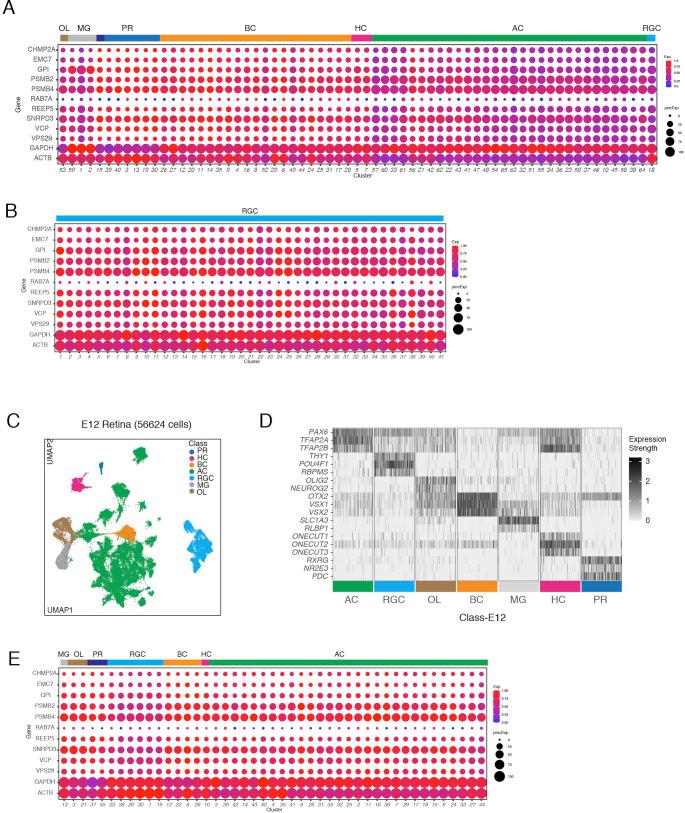
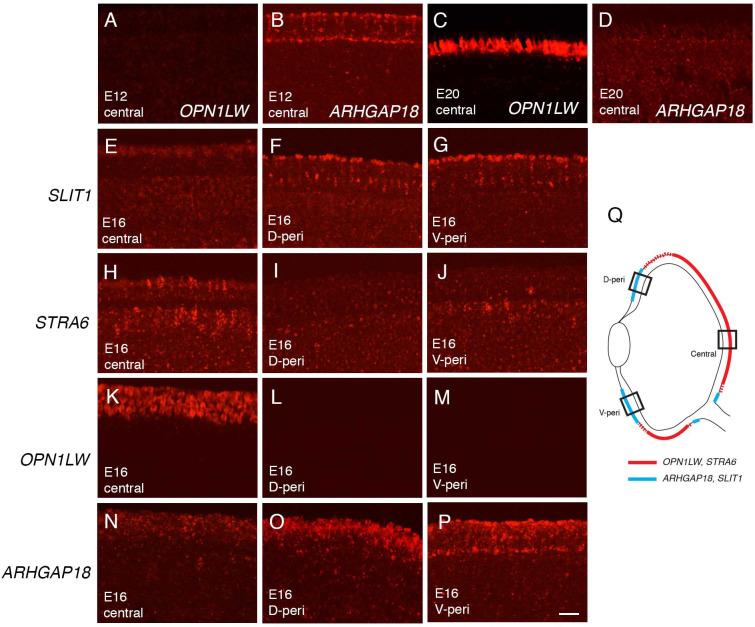
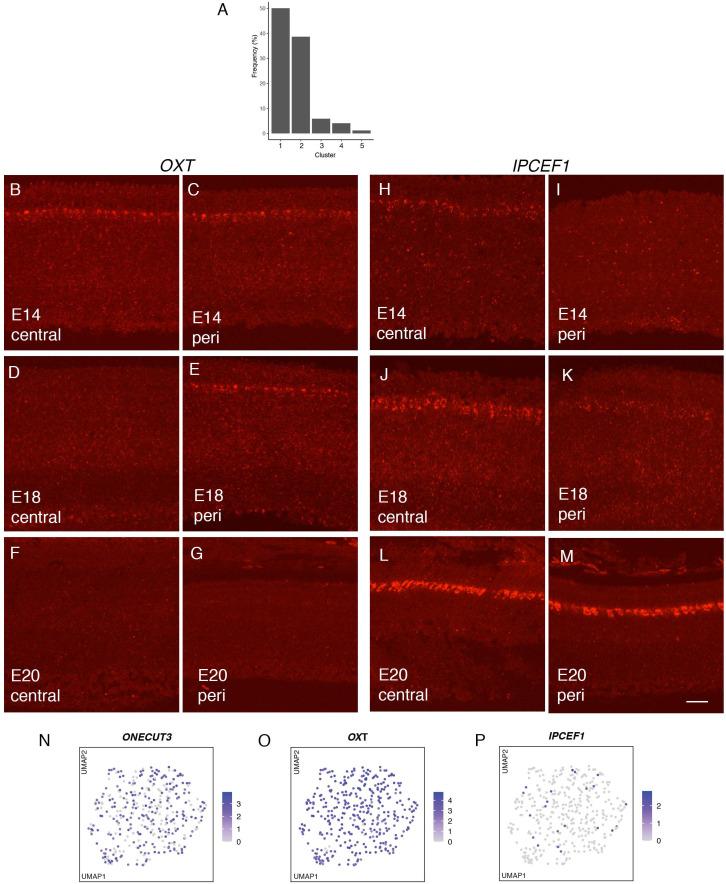
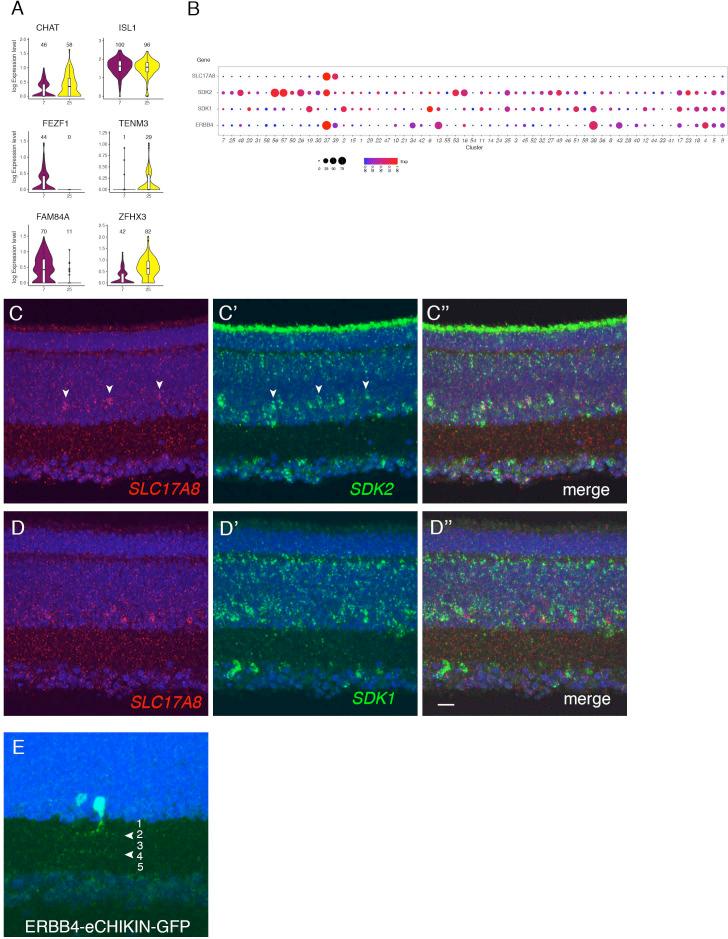
Retinal structure and function have been studied in many vertebrate orders, but molecular characterization has been largely confined to mammals. We used single-cell RNA sequencing (scRNA-seq) to generate a cell atlas of the chick retina. We identified 136 cell types plus 14 positional or developmental intermediates distributed among the six classes conserved across vertebrates - photoreceptor, horizontal, bipolar, amacrine, retinal ganglion, and glial cells. To assess morphology of molecularly defined types, we adapted a method for CRISPR-based integration of reporters into selectively expressed genes. For Müller glia, we found that transcriptionally distinct cells were regionally localized along the anterior-posterior, dorsal-ventral, and central-peripheral retinal axes. We also identified immature photoreceptor, horizontal cell, and oligodendrocyte types that persist into late embryonic stages. Finally, we analyzed relationships among chick, mouse, and primate retinal cell classes and types. Our results provide a foundation for anatomical, physiological, evolutionary, and developmental studies of the avian visual system.
我们使用单细胞 RNA 测序(scRNA-seq)技术生成了鸡视网膜的细胞图谱。我们鉴定出了 136 种细胞类型,加上 14 种位置或发育中间态,这些细胞类型分布在六种在脊椎动物中保守的类别中——光感受器、水平细胞、双极细胞、无长突细胞、视网膜神经节细胞和神经胶质细胞。为了评估分子定义的细胞类型的形态,我们改编了一种基于 CRISPR 的方法,将报告基因整合到选择性表达的基因中。对于 Müller 胶质细胞,我们发现转录上不同的细胞沿着视网膜的前后、背腹和中心-外周轴在区域上定位。我们还鉴定出了在胚胎晚期仍存在的不成熟光感受器、水平细胞和少突胶质细胞类型。最后,我们分析了鸡、鼠和灵长类动物视网膜细胞类别和类型之间的关系。我们的结果为鸟类视觉系统的解剖学、生理学、进化和发育研究提供了基础。









 Zotero 插件